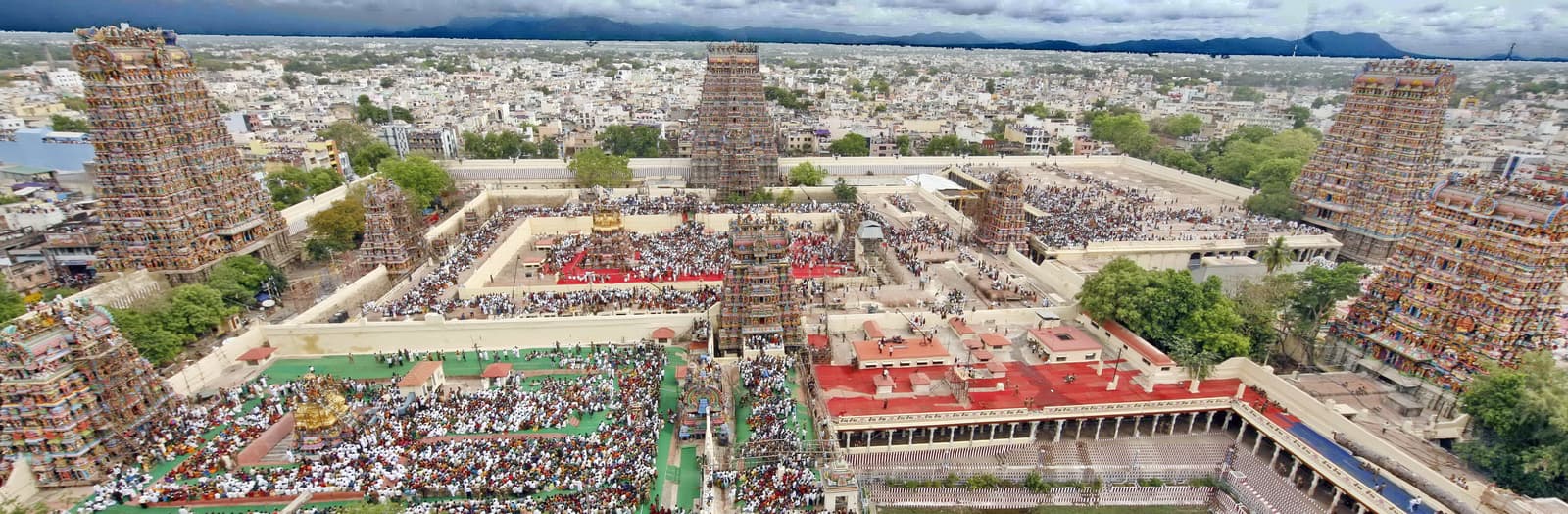
de
Theme Collection
Devi Temples
A complete guide to the 51 Shakti Peethas and most revered Devi temples across the Indian subcontinent.
The Collection
Featured Shrines
Explore our curated selection of devi temples that define this architectural and spiritual category.
57 Sites Identified
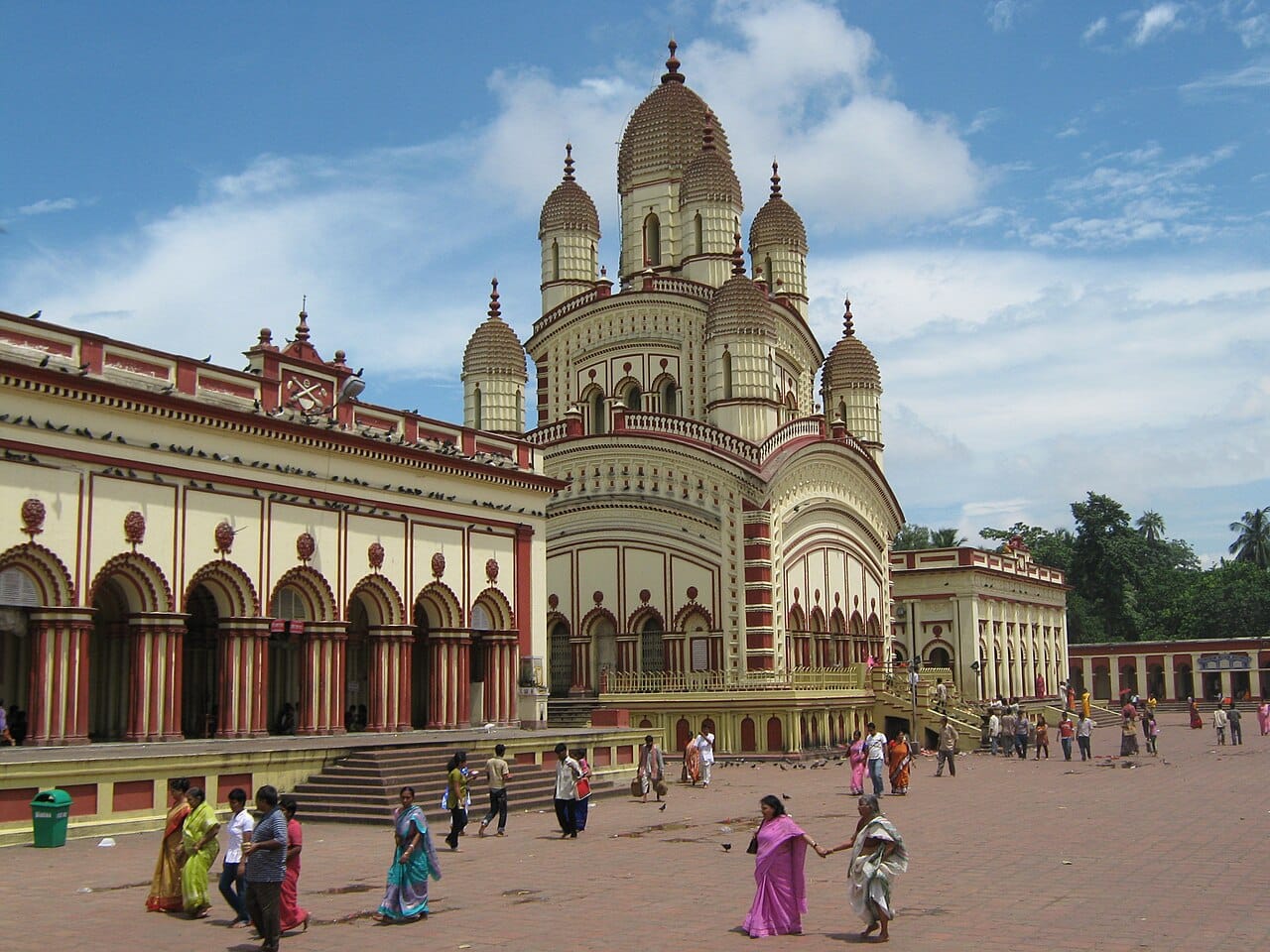
West Bengal
Dakshineshwar Kali Temple
A world-famous 19th-century temple complex on the Hooghly River, immortalized by its association with the saint Sri Ramakrishna Paramahamsa.
Explore Temple
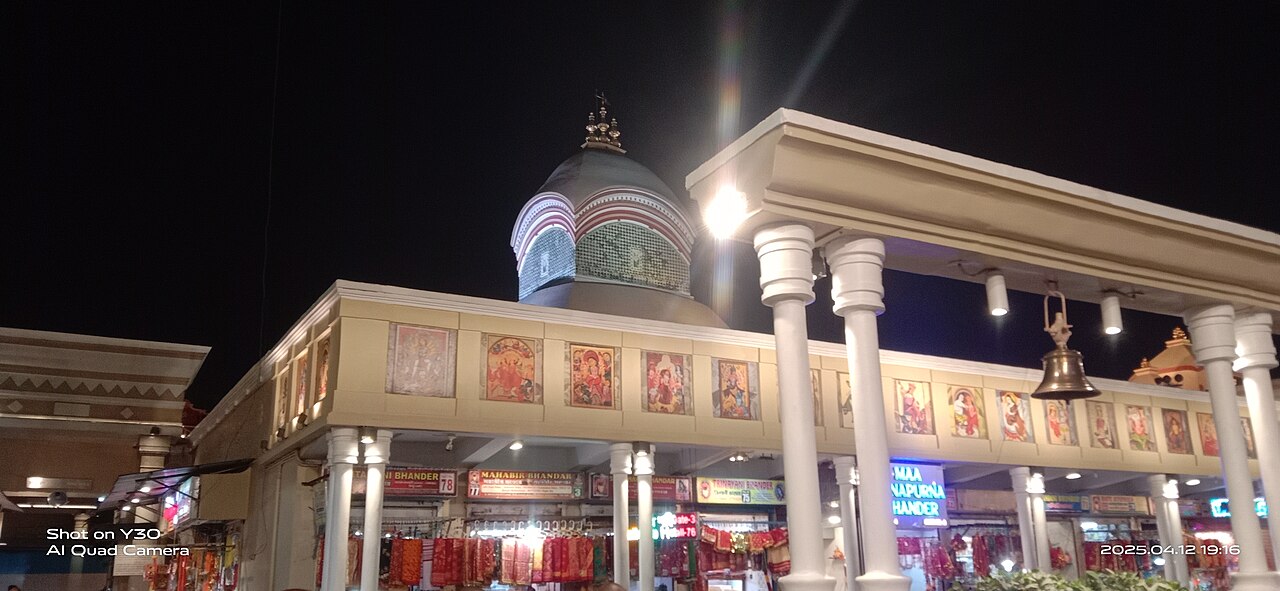
West Bengal
Kalighat Kali Temple
A major Shakti Peetha where the toes of Sati's right foot fell, serving as the spiritual heart of Kolkata.
Explore Temple
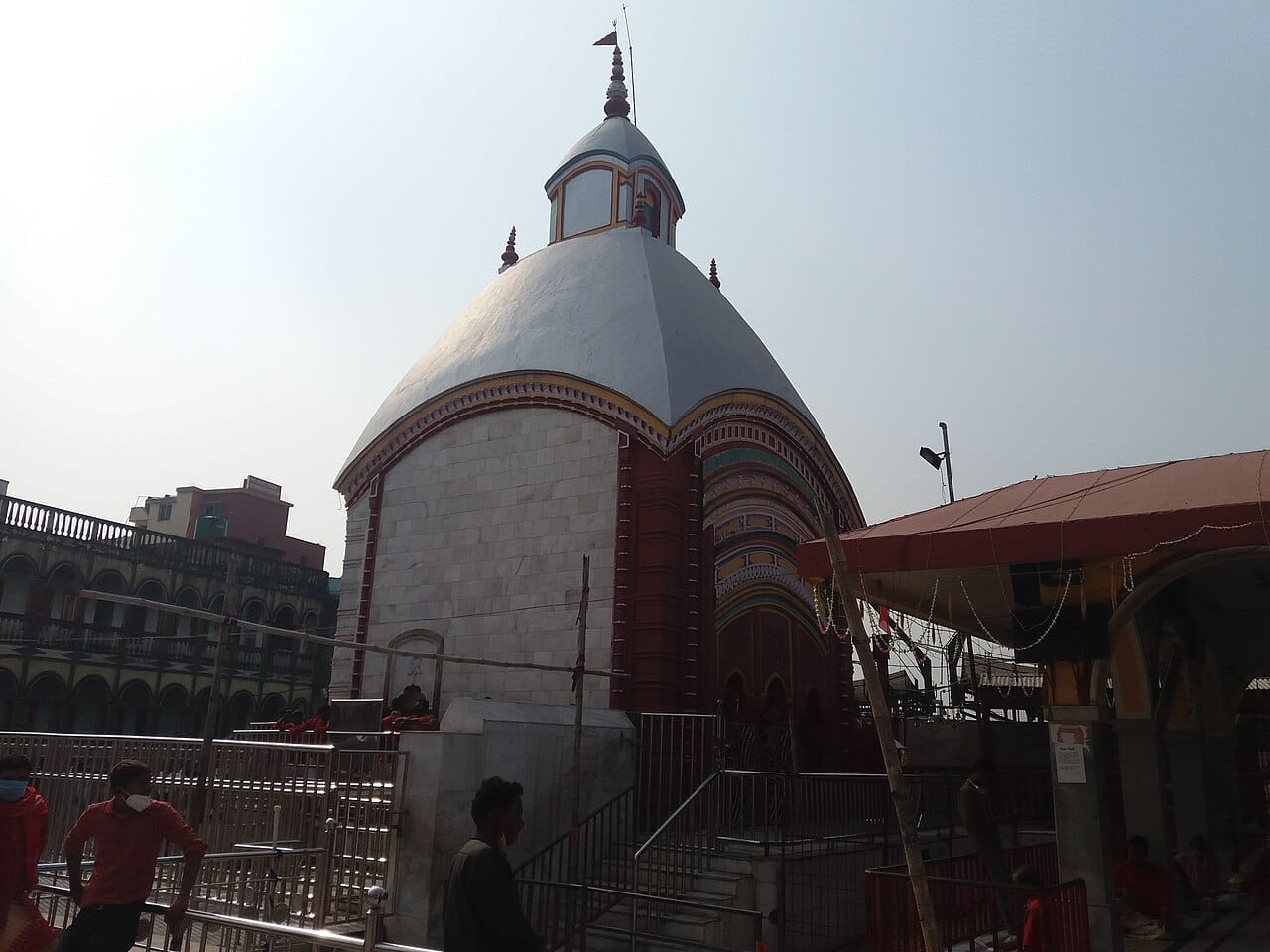
West Bengal
Tarapith Temple Birbhum
A major center for Tantric worship dedicated to Goddess Tara, famous for the saint Bamakhyapa and its sacred cremation ground.
Explore Temple
West Bengal
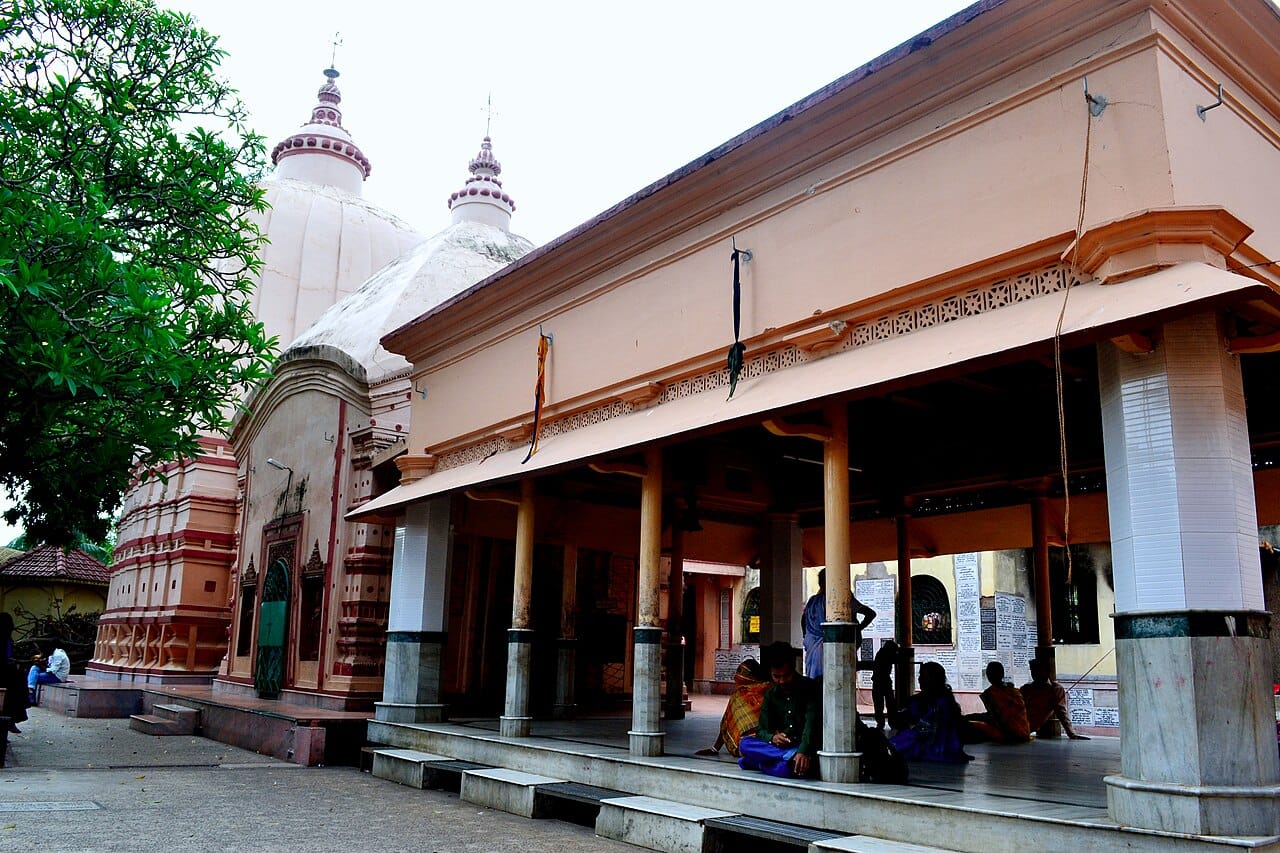
Bargabhima Temple Tamluk
An ancient 1,150-year-old temple where Sati's left ankle fell, blending Bengali 'at-chala' and Odia 'Kalinga' styles.
Explore Temple
West Bengal
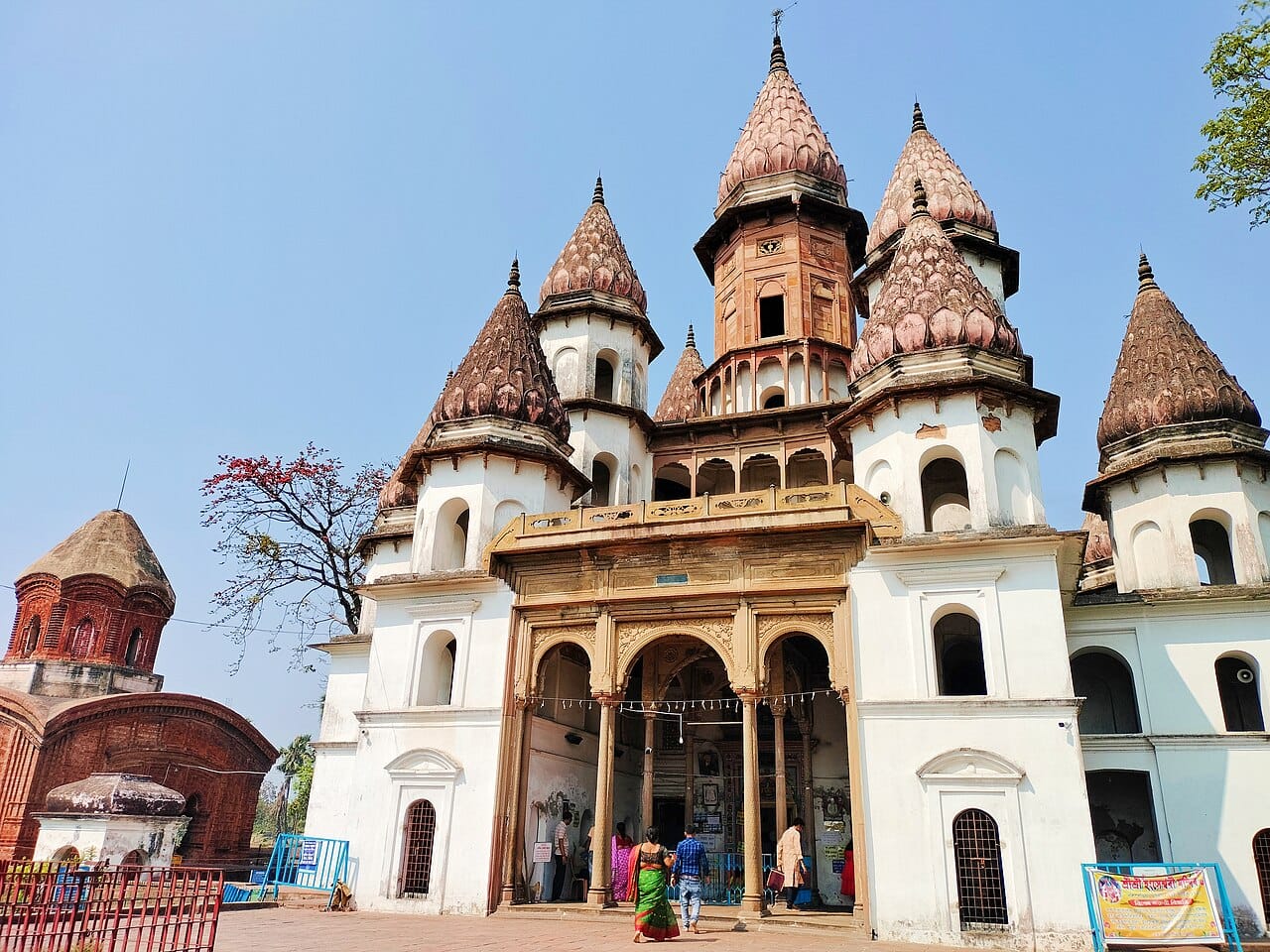
Hangseshwari Temple Bansberia
A unique temple with 13 lotus-bud towers, representing the human body's anatomy according to Yoga and Tantra.
Explore Temple
Jammu & Kashmir
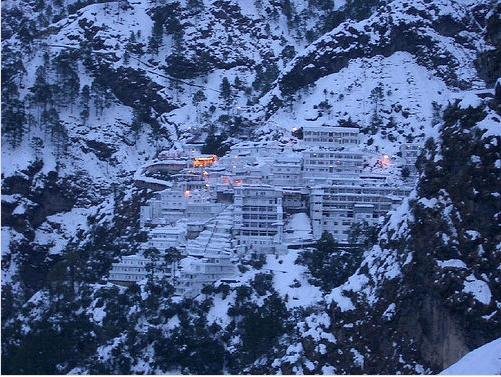
Vaishno Devi Temple
The Vaishno Devi Temple, a sacred cave shrine situated in the Trikuta Mountains of Jammu and Kashmir, is one of India's most visited pilgrimage sites, where millions trek 12 km…
Explore Temple
Uttarakhand
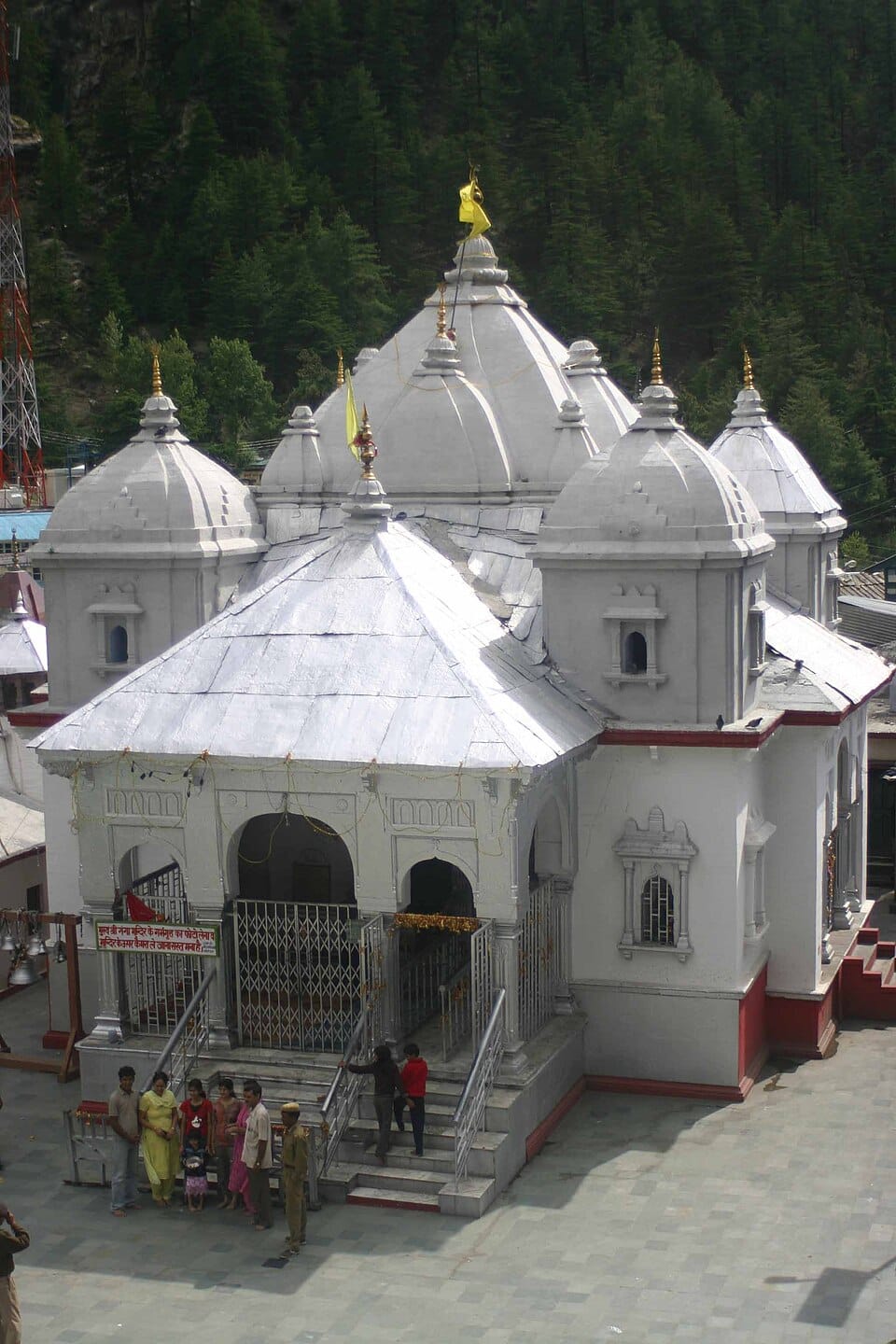
Gangotri Temple
The highest temple dedicated to Goddess Ganga at 3,100 meters, marking where the sacred river descended to earth through Shiva's locks after King Bhagirath's penance.
Explore Temple
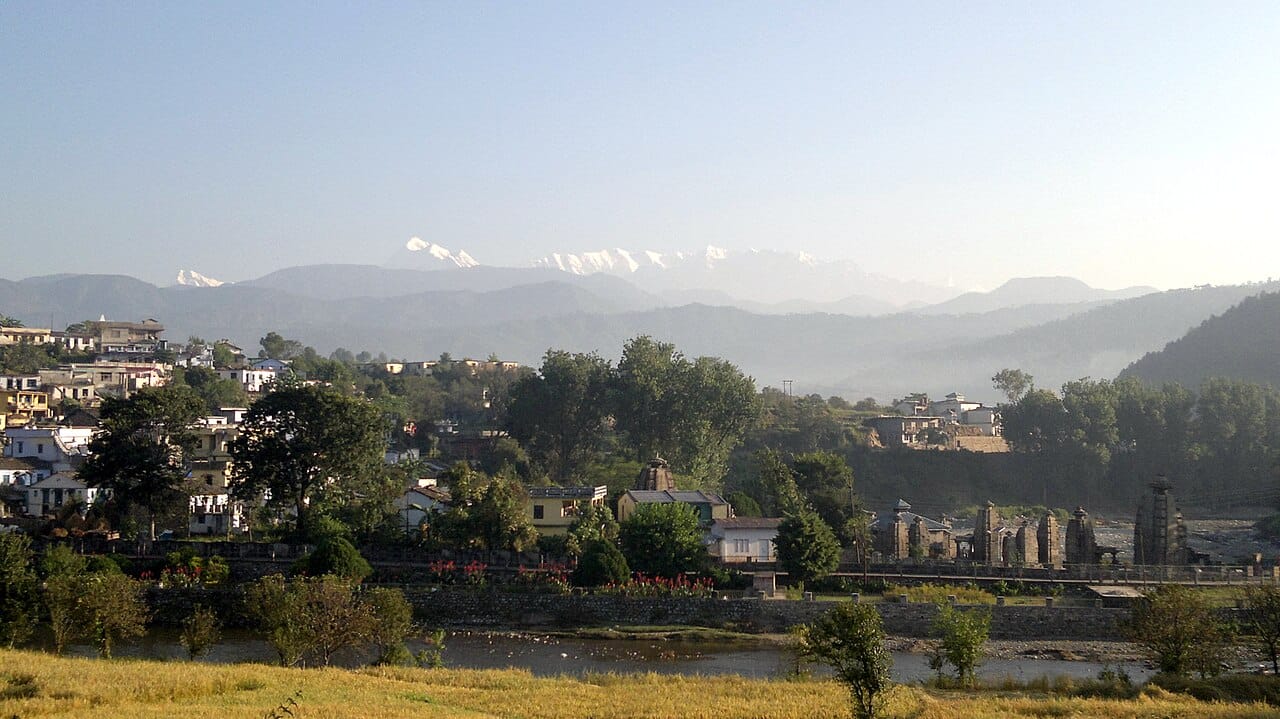
Uttarakhand
Baijnath Temple Uttarakhand
A 12th-century complex on the Gomti banks, famous for its life-sized black stone idol of Goddess Parvati.
Explore Temple
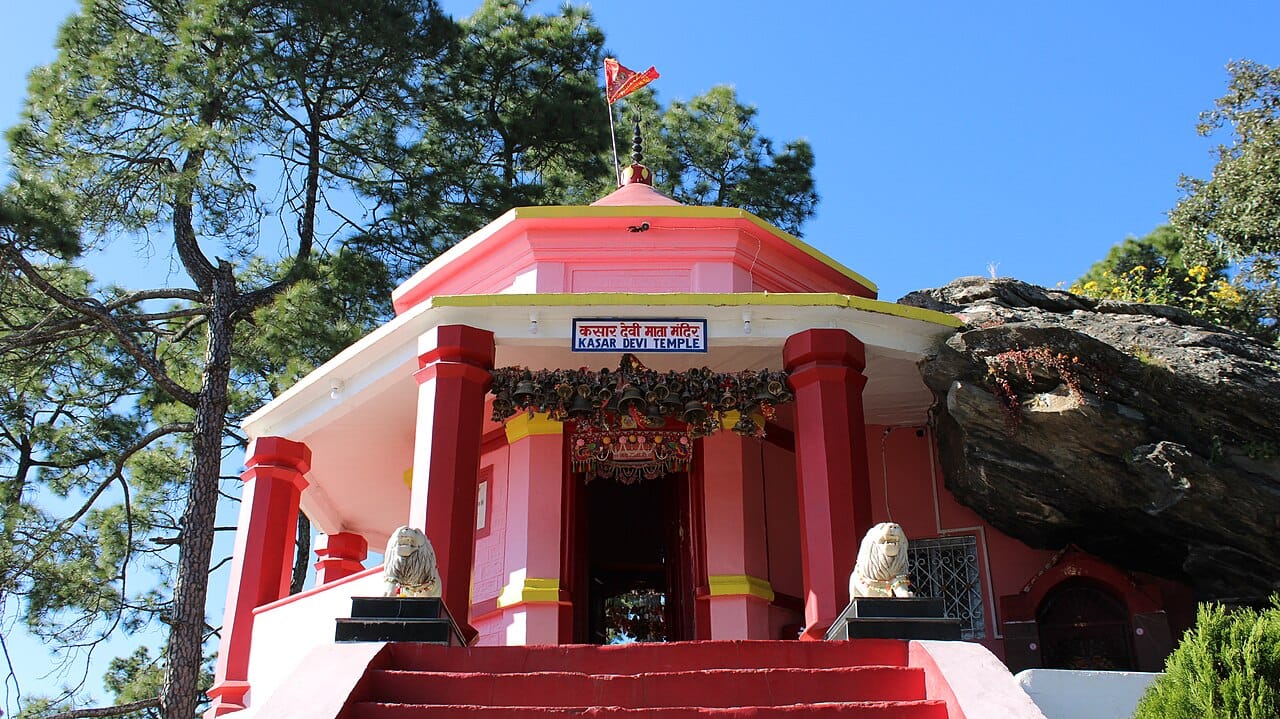
Uttarakhand
Kasar Devi Temple Almora
A hilltop Durga shrine about eight kilometres north of Almora, where Swami Vivekananda meditated in 1890 and where Crank's Ridge later drew Western seekers.
Explore Temple
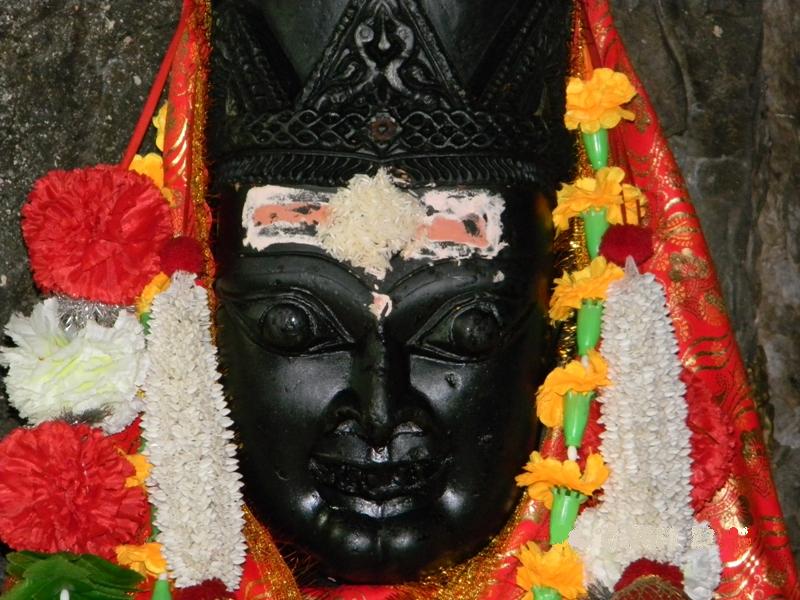
Uttarakhand
Dhari Devi Temple
A sacred Shakti temple on the banks of the Alaknanda River, considered the guardian deity of the Char Dham Yatra and famous for the idol that changes color three times…
Explore Temple
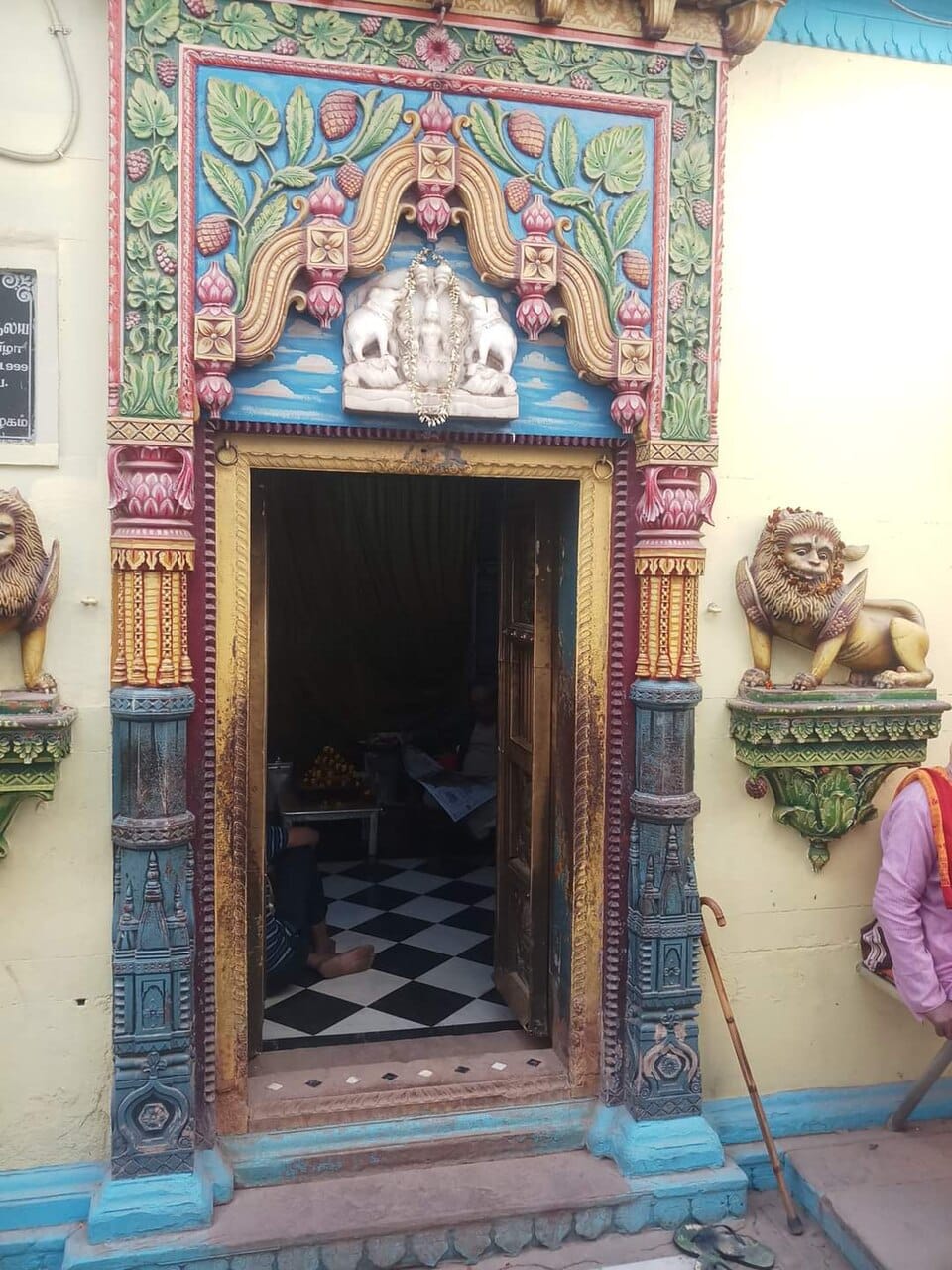
Uttar Pradesh
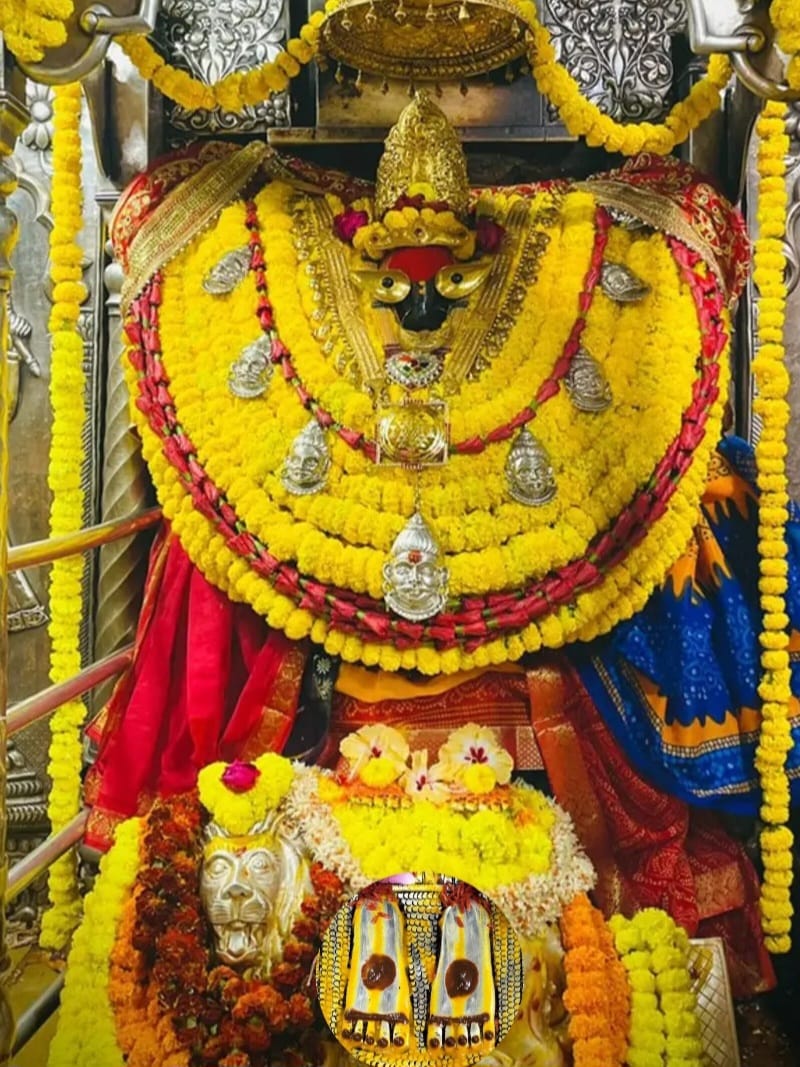
Vishalakshi Temple
The Vishalakshi Temple, located in the narrow lanes of Mir Ghat near the Ganges in Varanasi, is one of the 51 Shakti Peethas where the earrings of Goddess Sati are…
Explore Temple
Uttar Pradesh
Vindhyavasini Devi Temple
One of India's most visited Shakti Peethas, where Goddess Durga is believed to have resided after slaying Mahishasura.
Explore Temple
Uttar Pradesh
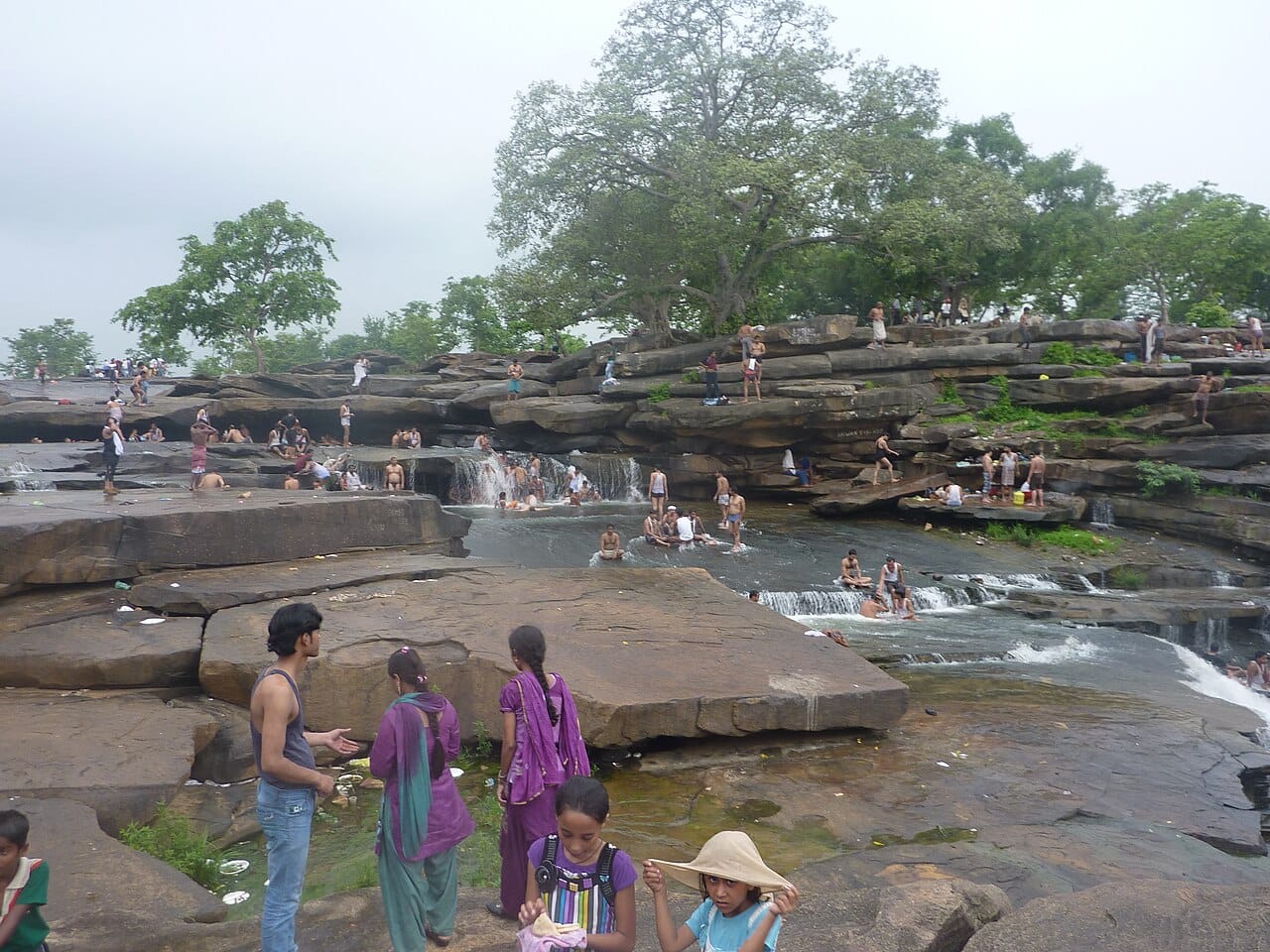
Devipatan Shakti Peeth
Legend says the right shoulder of Sati fell here; it serves as the headquarters of the Nath sect in eastern Uttar Pradesh.
Explore Temple
Uttar Pradesh
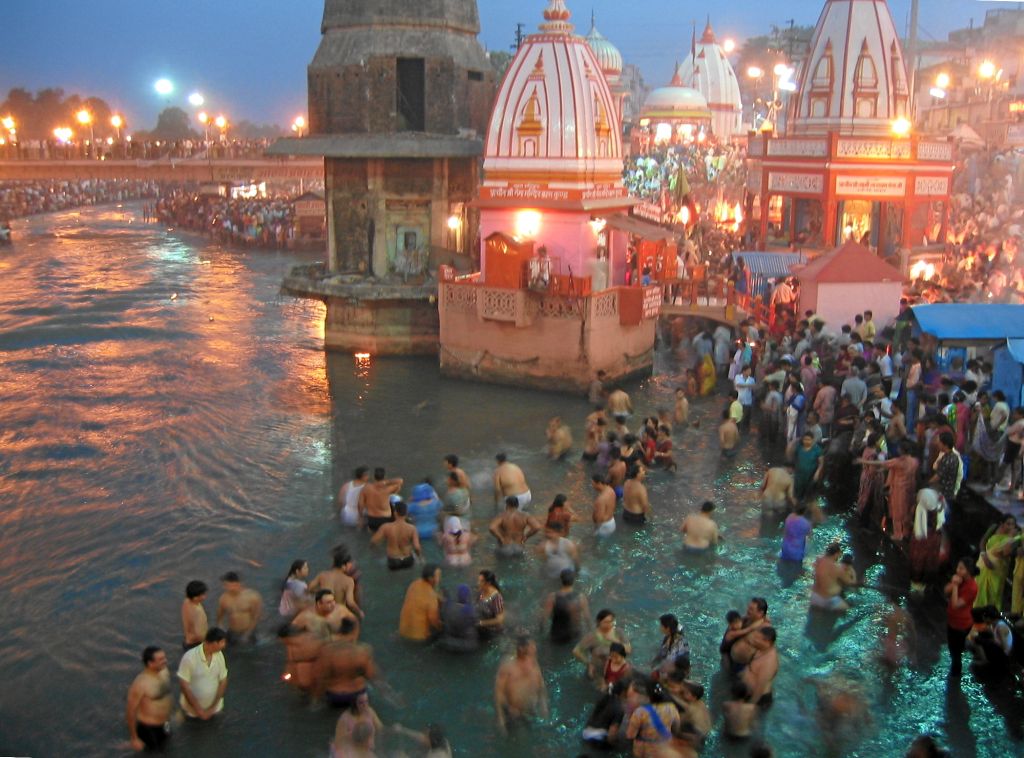
Lalita Devi Temple Naimisharanya
Located in the ancient forest of Naimisharanya, it is mentioned in Puranas as the spot where the universe's first Chakra fell.
Explore Temple
Delhi
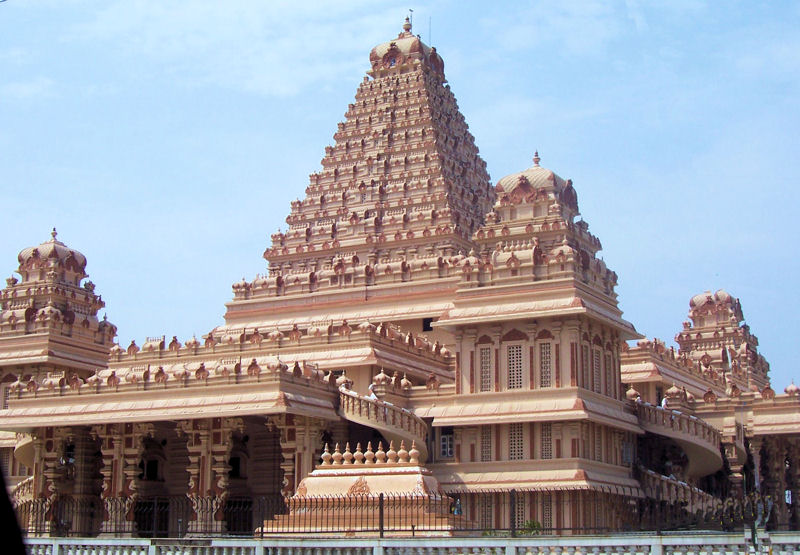
Chhatarpur Temple
A massive marble temple complex dedicated to Goddess Katyayani, featuring both North and South Indian architectural styles.
Explore Temple
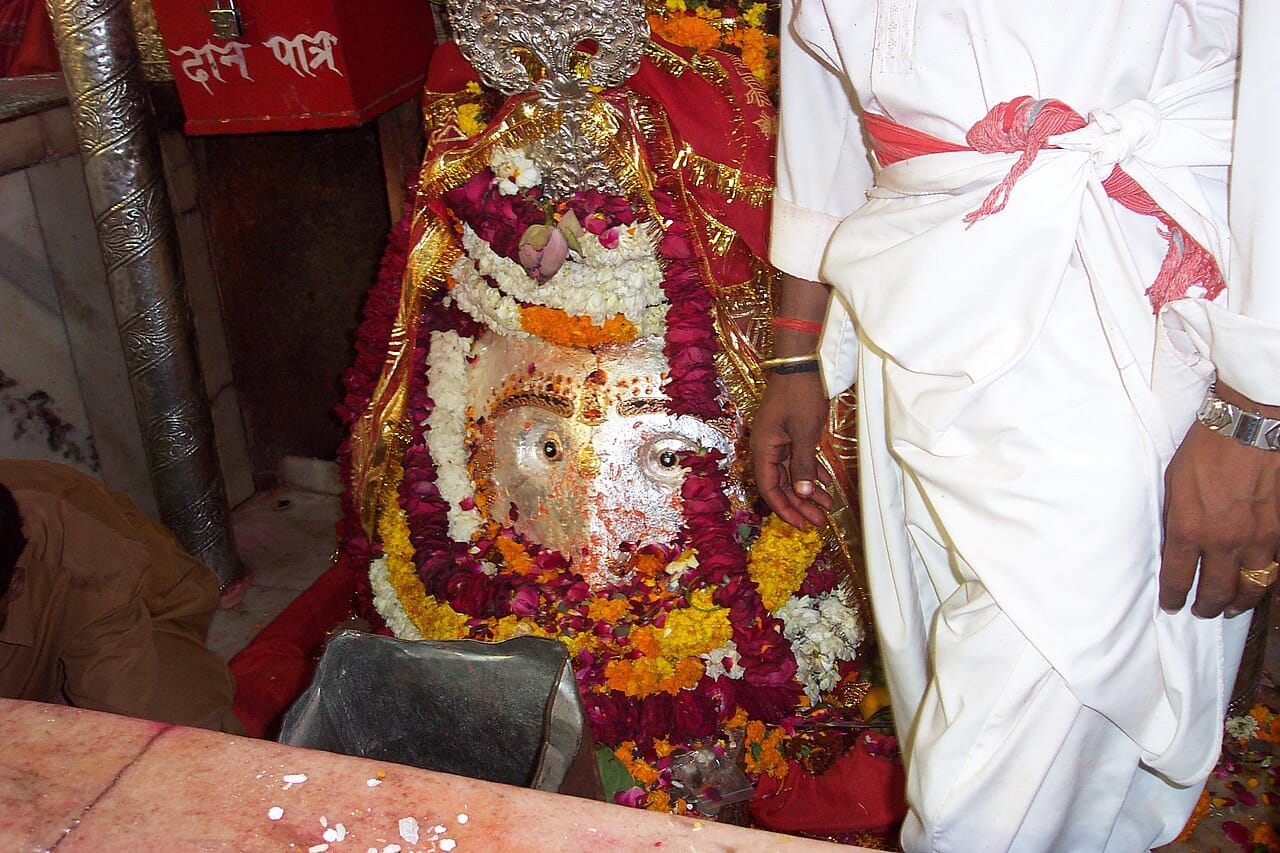
Delhi
Kalkaji Temple
An ancient temple dedicated to Kalka Devi, believed to date back to the Satya Yuga, and highly crowded during Navratri.
Explore Temple
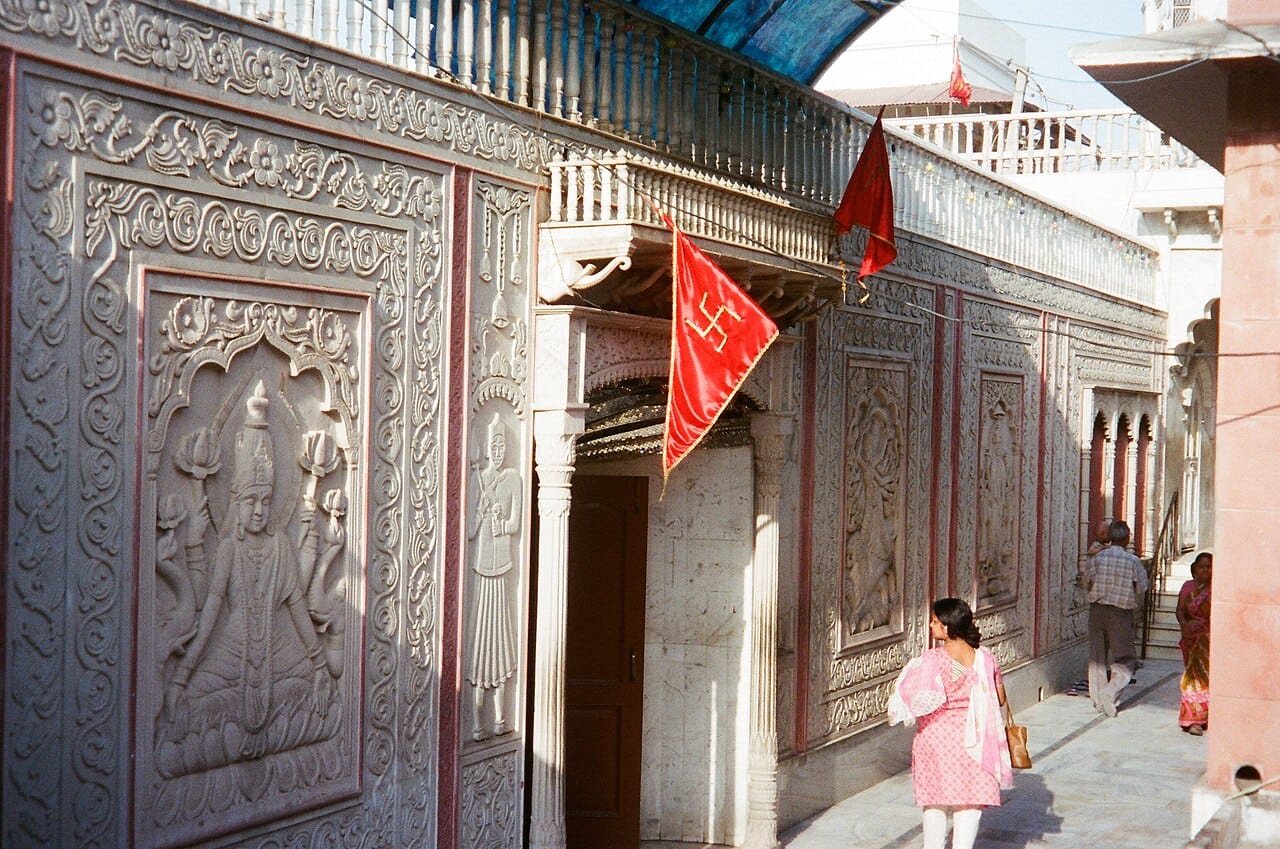
Delhi
Yogmaya Temple Mehrauli
One of Delhi's few surviving ancient temples, believed to be built by the Pandavas and a symbol of communal harmony.
Explore Temple
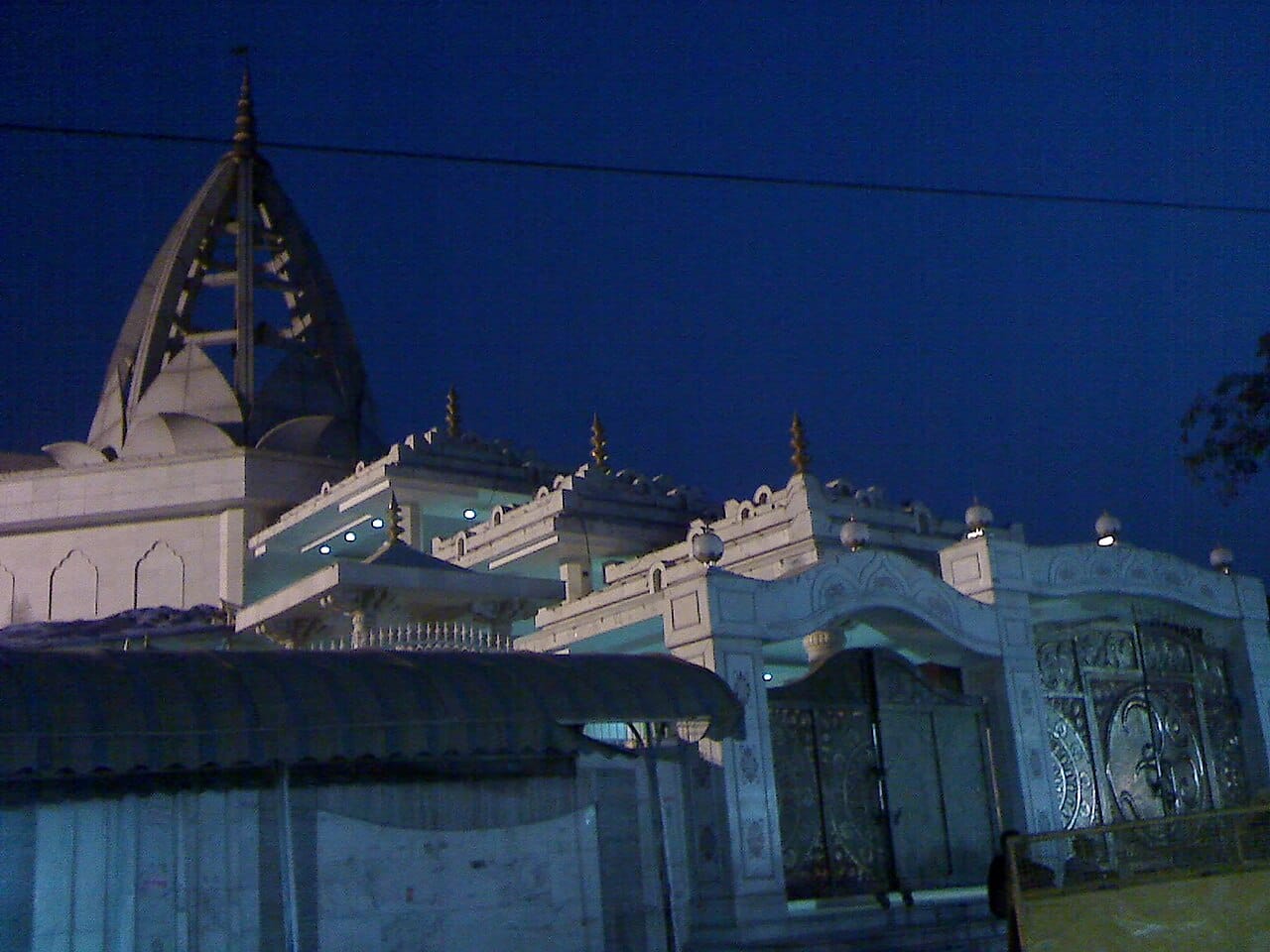
Delhi
Jhandewalan Devi Mandir
One of Delhi's oldest and most revered Shakti shrines, named after the ritual flags (Jhandas) offered by its many devotees.
Explore Temple
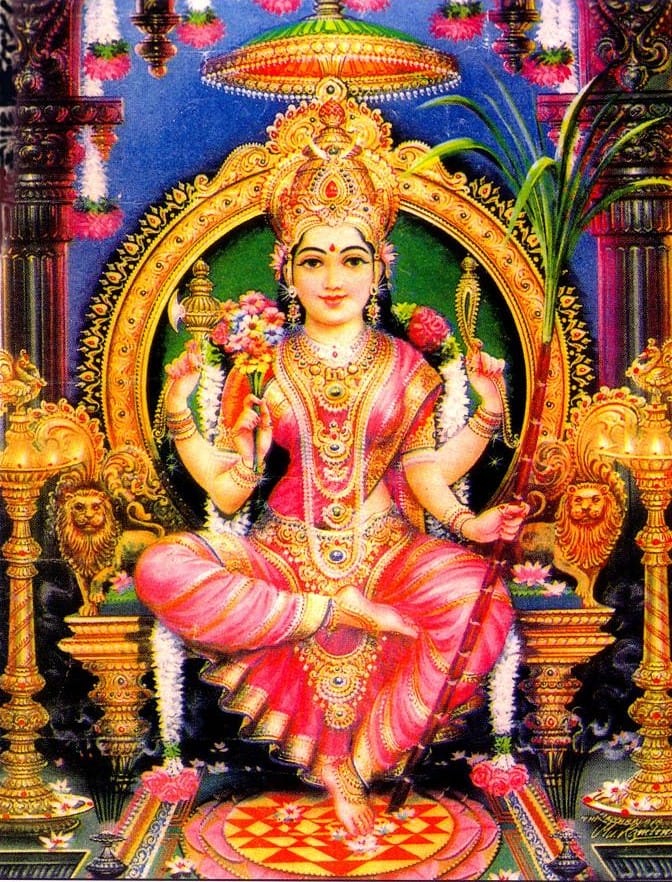
Tripura
Tripura Sundari Temple
One of the 51 Shakti Peethas, this ancient 16th-century temple is uniquely shaped like a tortoise (Kurma Pitha).
Explore Temple
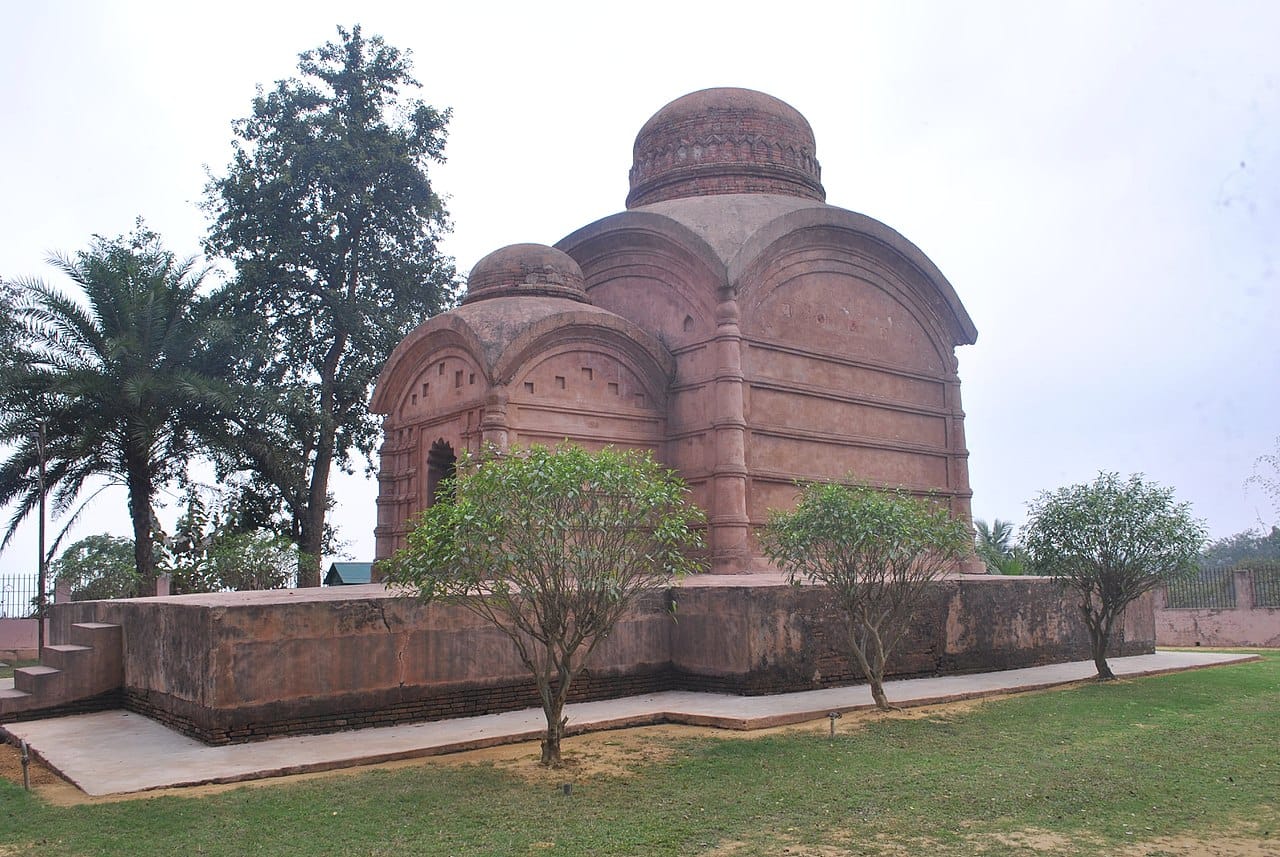
Tripura
Bhubaneswari Temple
A 17th-century temple immortalized in Rabindranath Tagore's literary works, located on the banks of the Gomti River.
Explore Temple
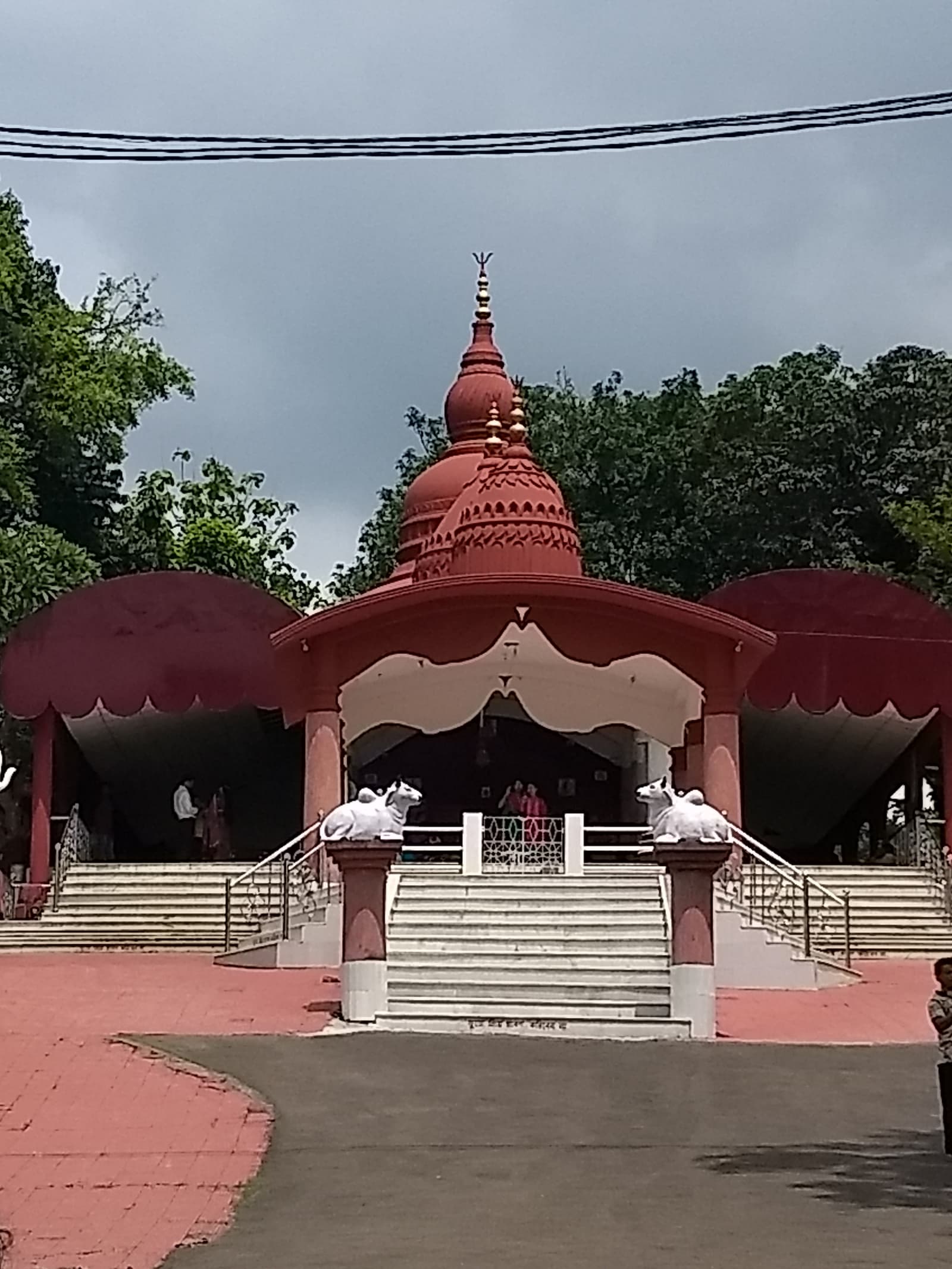
Tripura
Kasba Kalibari
A popular hilltop Shakti shrine overlooking the Kamalasagar lake, housing a 15th-century sandstone Durga idol.
Explore Temple
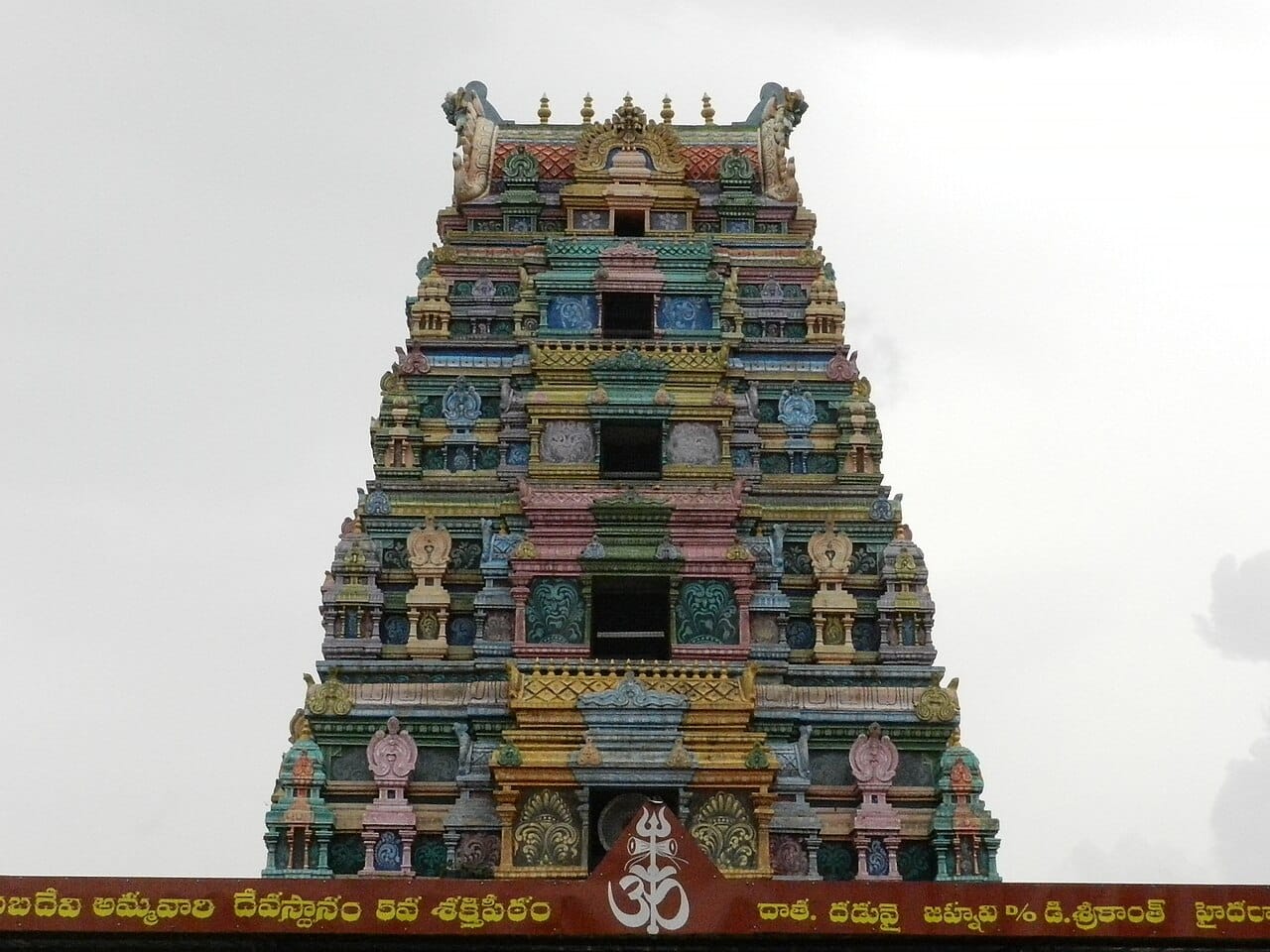
Telangana
Alampur Jogulamba Temple
One of the 18 Maha Shakti Peethas, located in a complex that also houses nine ancient 7th-century Chalukyan temples.
Explore Temple
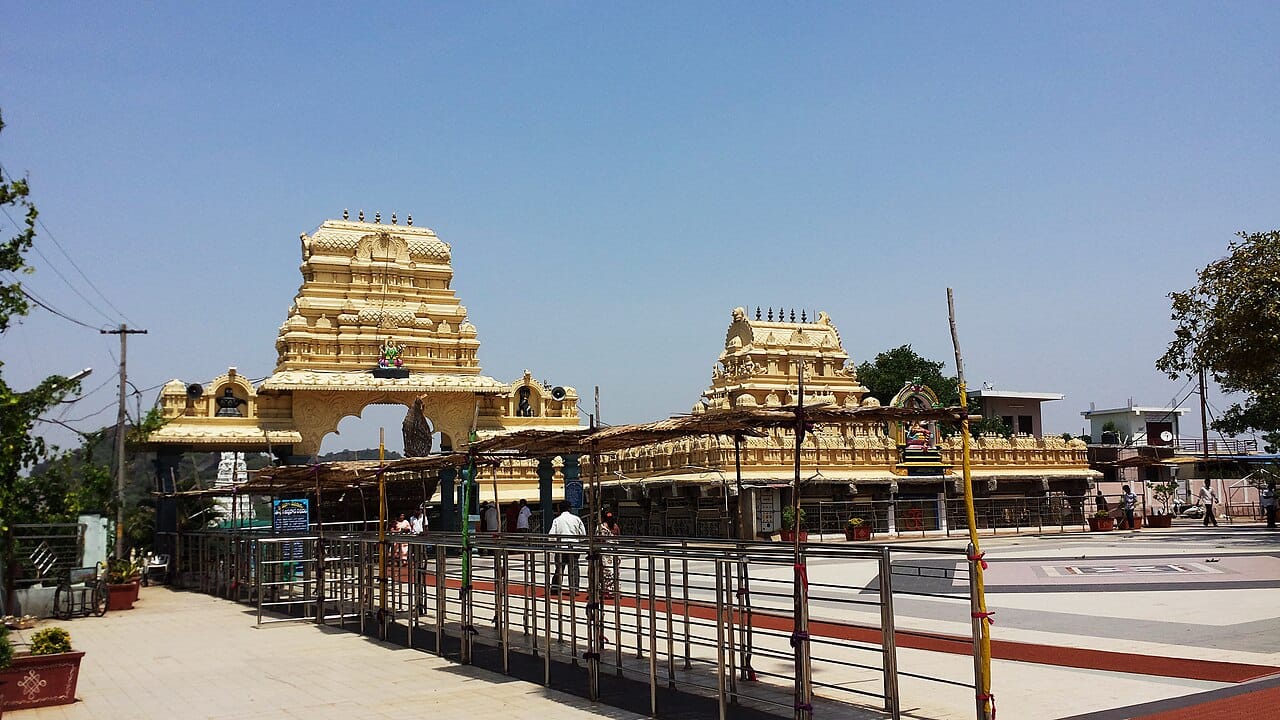
Telangana
Bhadrakali Temple Warangal
Historic lakeside Shakti shrine in Warangal featuring a massive 2.7-meter black stone Bhadrakali idol, traditionally attributed to Chalukya ruler Pulakeshin II (625 CE) and rebuilt by Kakatiya king Ganapati Deva.
Explore Temple

Tamil Nadu
Pancha Rathas
The Pancha Rathas (Five Chariots) are a set of five monolithic temple structures carved from single granite outcrops during the reign of Narasimhavarman I (Mamalla, 630-668 CE) in Mahabalipuram.
Explore Temple
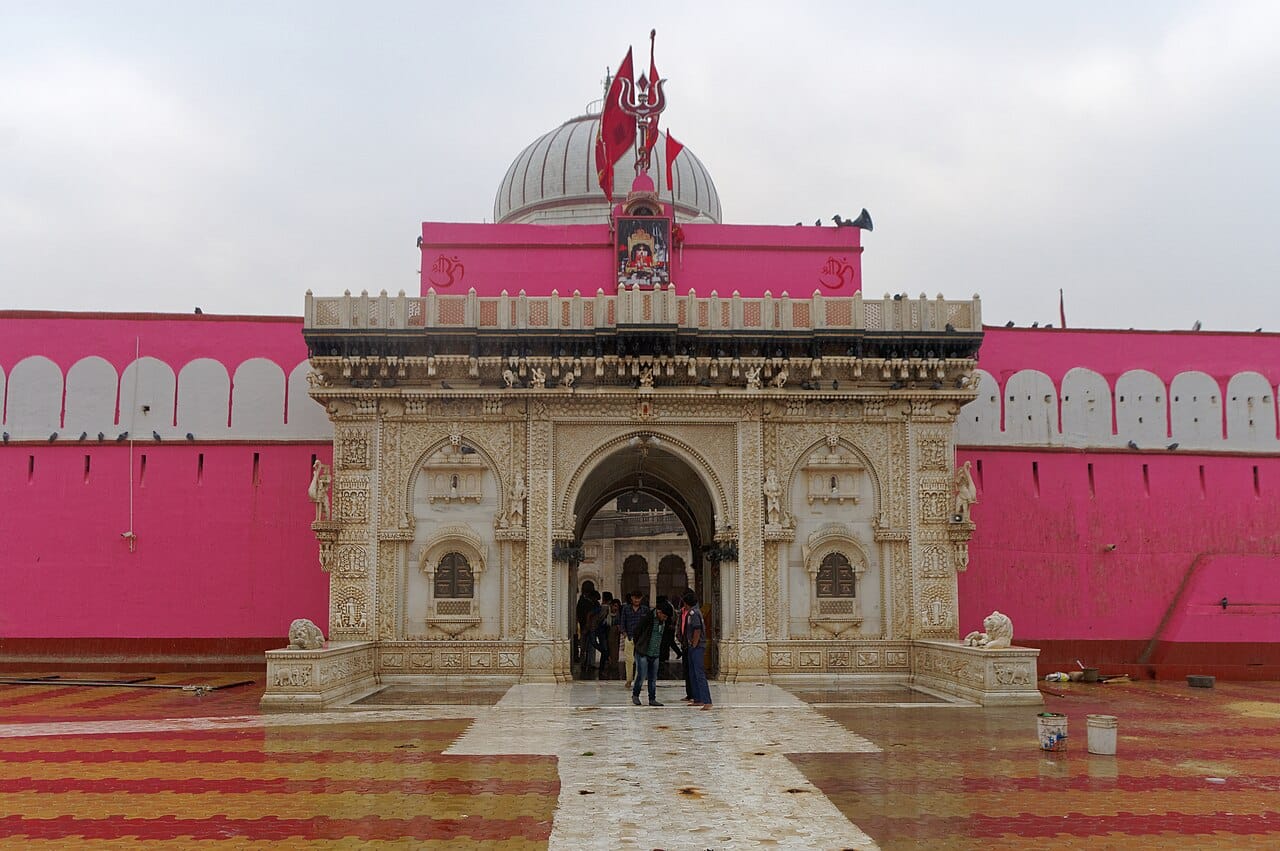
Rajasthan
Karni Mata Temple
A unique temple famous for its thousands of sacred rats (kabbas) that are worshipped and protected by devotees as reincarnations of Karni Mata's clan.
Explore Temple
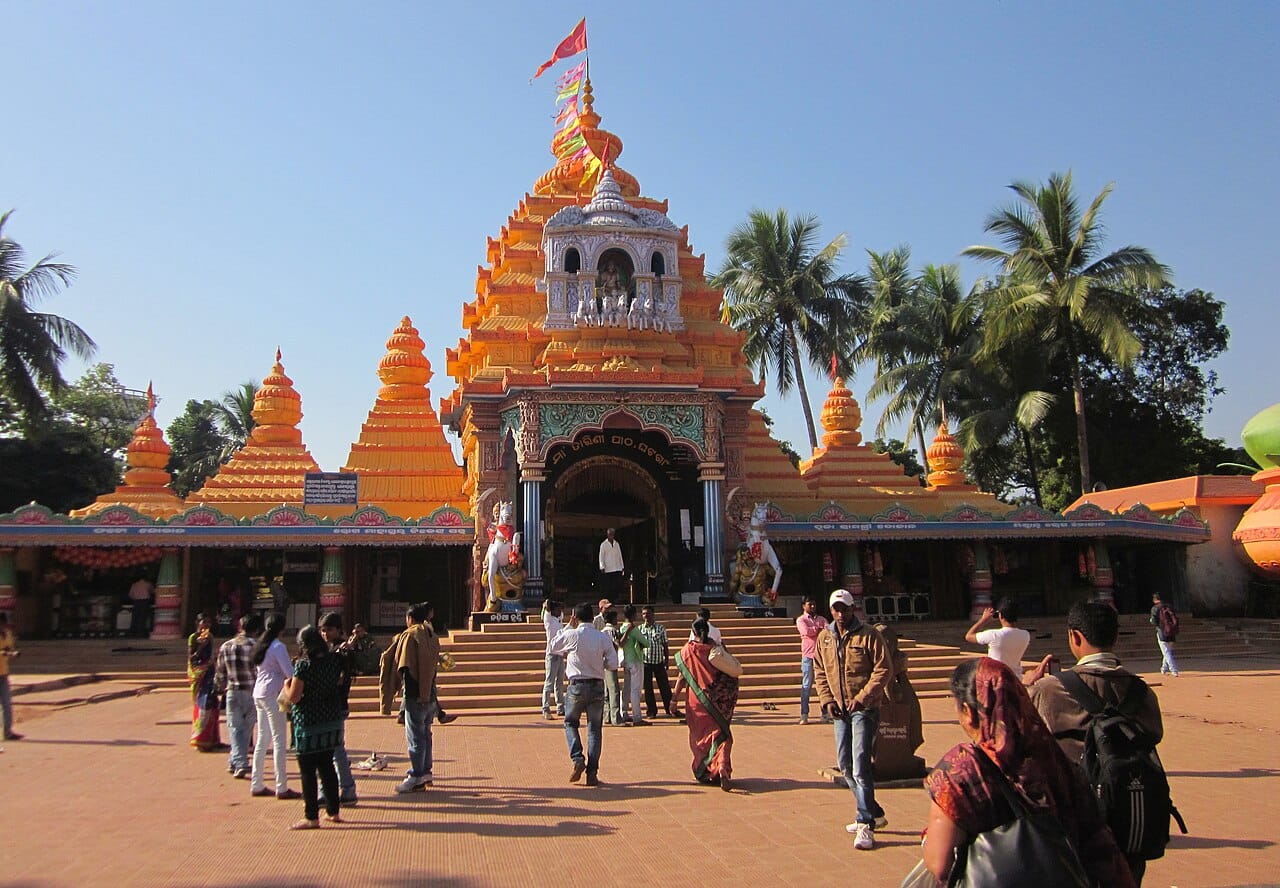
Odisha
Tara Tarini Temple
The Tara Tarini Temple on Kumari Hills overlooking the Rushikulya River in Ganjam district, Odisha, is the Sthana Peetha — one of the four major ancient Shakti Peethas of India.
Explore Temple
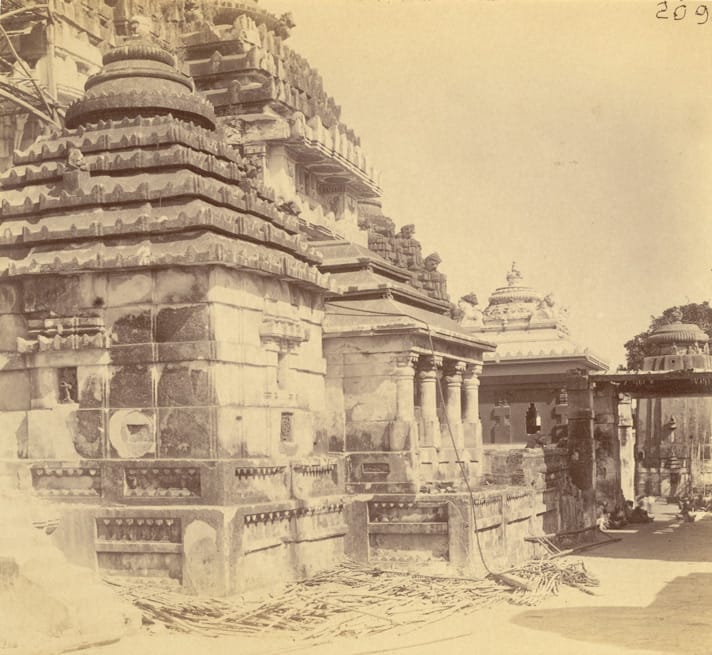
Odisha
Bimala Temple
The Bimala Temple, located within the Jagannath Temple complex in Puri, Odisha, is one of the 51 Shakti Peethas where the feet of Goddess Sati are believed to have fallen.
Explore Temple
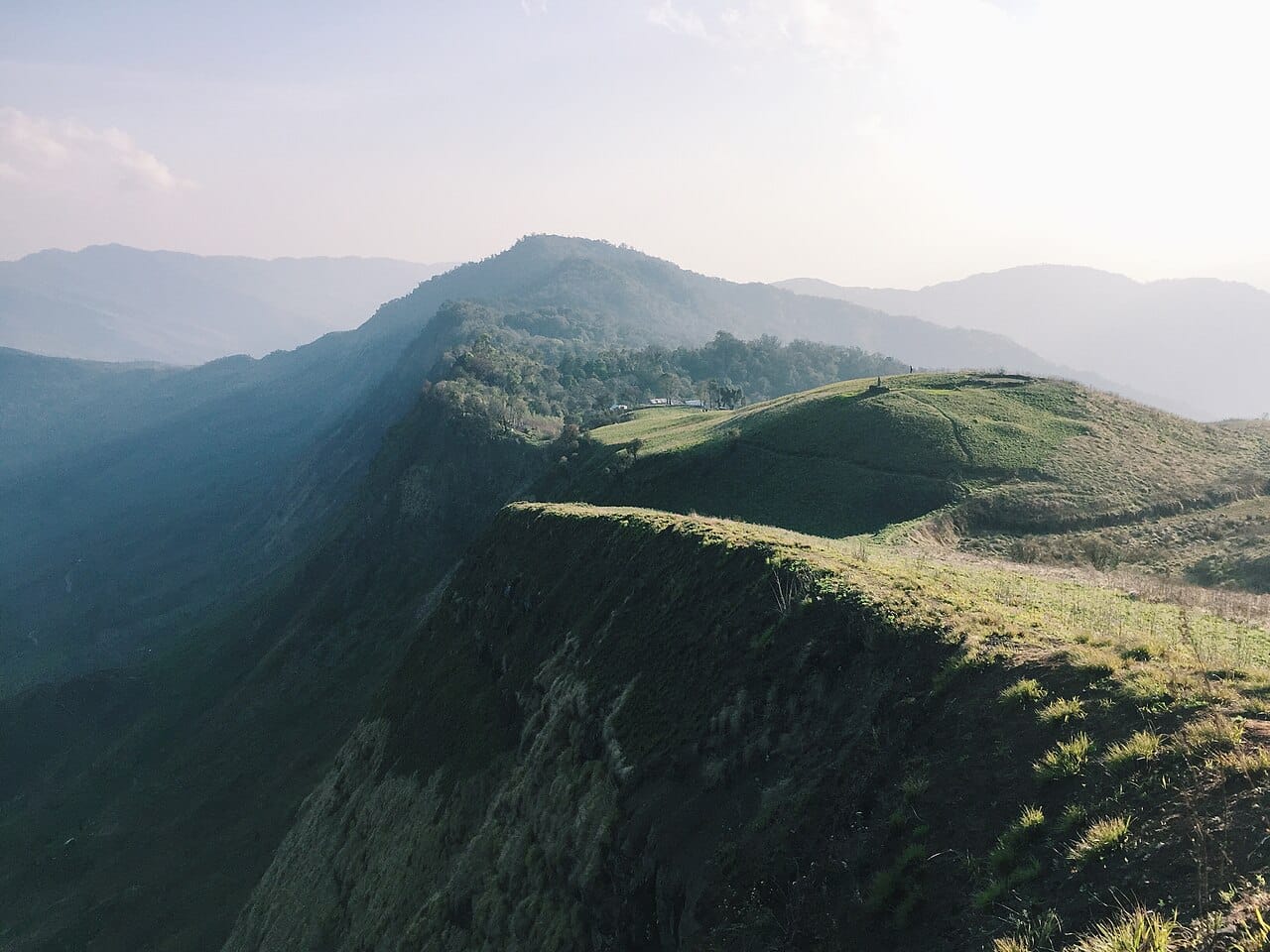
Nagaland
Dimapur Kalibari
One of the oldest and most respected Kali temples in Nagaland, known for its significant religious role during Navratri.
Explore Temple
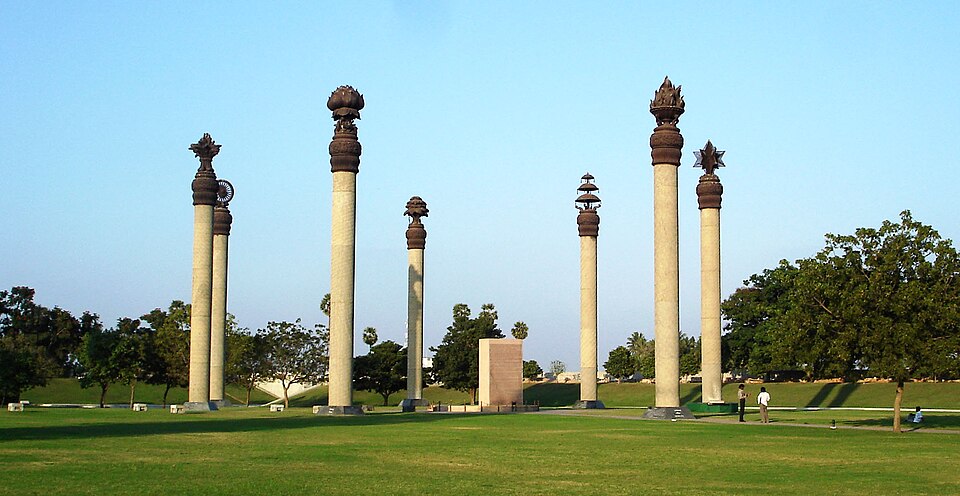
Mizoram
Sri Lakshmi Narayan Temple
A beautiful white-marbled temple in Aizawl dedicated to Goddess Lakshmi and Lord Narayan, known for its tranquil atmosphere.
Explore Temple
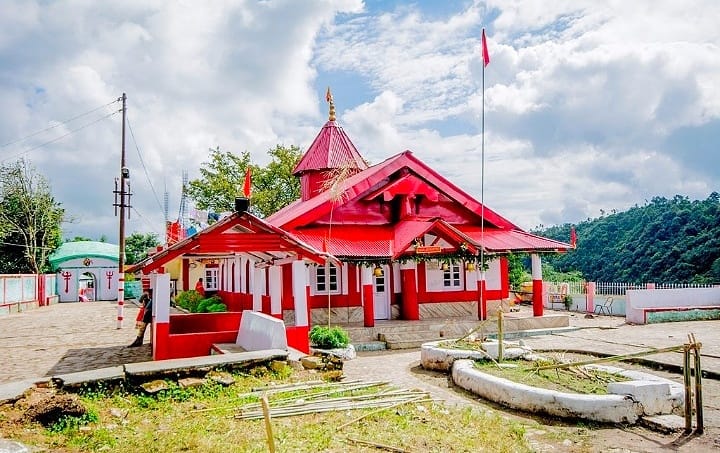
Meghalaya
Nartiang Durga Temple
One of the 51 Shakti Peethas set in the scenic Jaintia Hills, representing a fascinating blend of Vedic and indigenous tribal traditions.
Explore Temple
Tamil Nadu
Meenakshi Temple
The Meenakshi Temple in Madurai is a masterpiece of Dravidian architecture with 14 towering gopurams, the legendary Hall of Thousand Pillars, and the living tradition of worship of Goddess Meenakshi…
Explore Temple
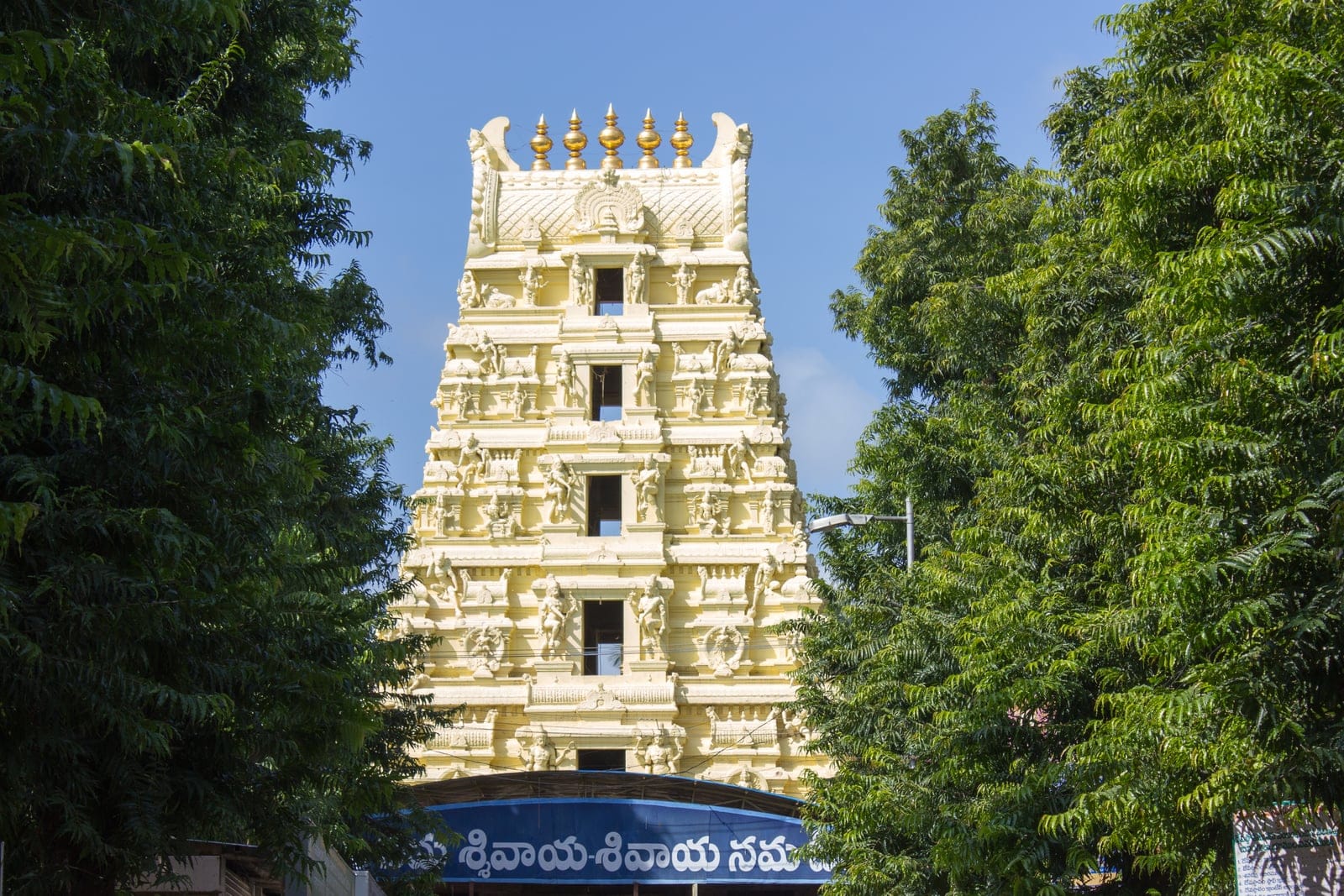
Andhra Pradesh
Srisailam Mallikarjuna Swamy Temple
One of the twelve Jyotirlingas and the southernmost among them, Mallikarjuna Temple at Srisailam is uniquely also a Shakti Peetha where the goddess Bhramaramba is worshipped alongside Shiva.
Explore Temple
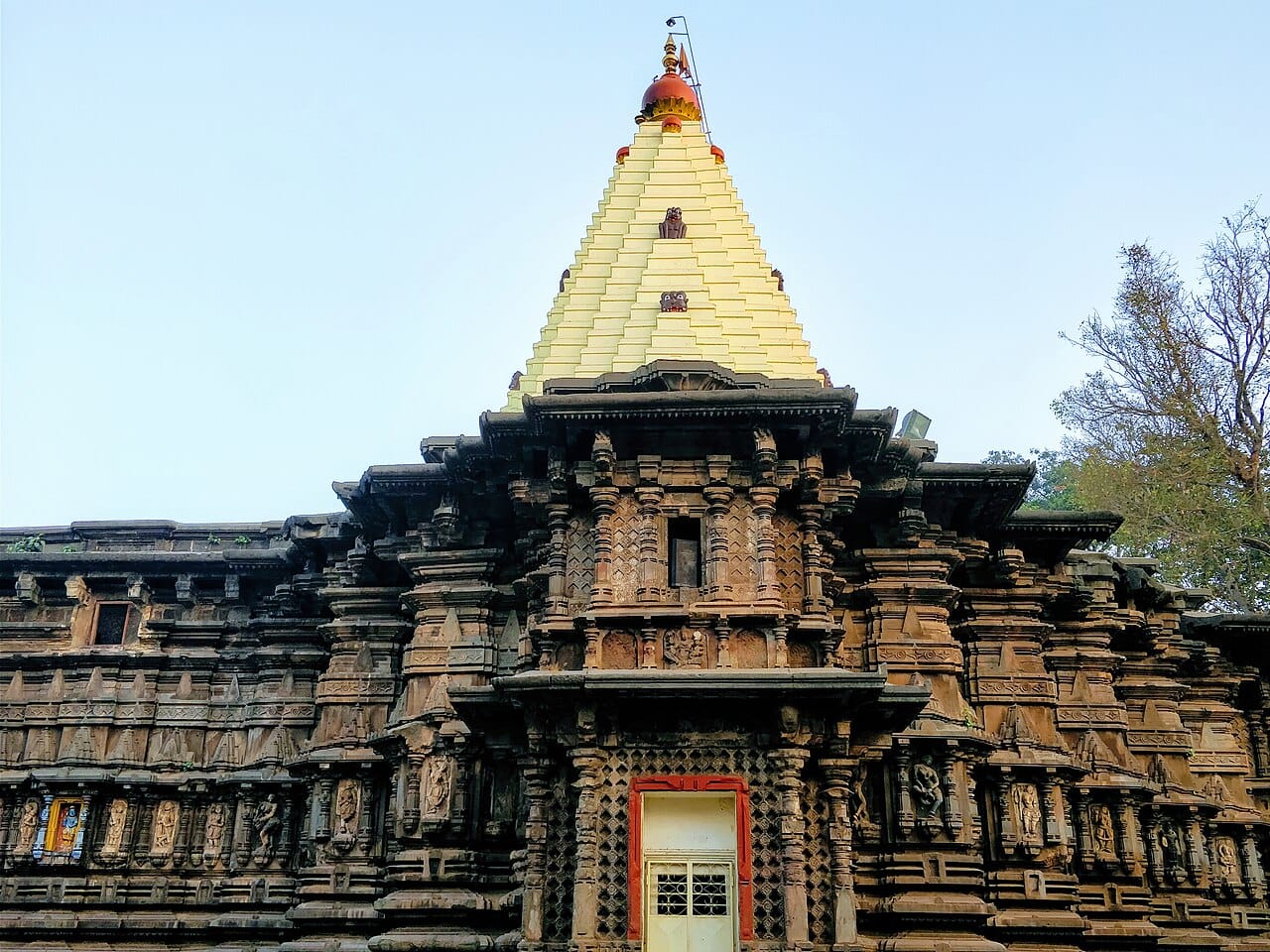
Maharashtra
Mahalakshmi Temple
Mahalakshmi Temple in Kolhapur, also known as Ambabai Temple, is one of the 18 Maha Shakti Peethas and one of six Shakti sites in India.
Explore Temple

Madhya Pradesh
Mahakali Temple
Mahakali Temple in Ujjain is one of the 51 Shakti Peethas, where the upper lip (oshtha) of Goddess Sati is believed to have fallen.
Explore Temple
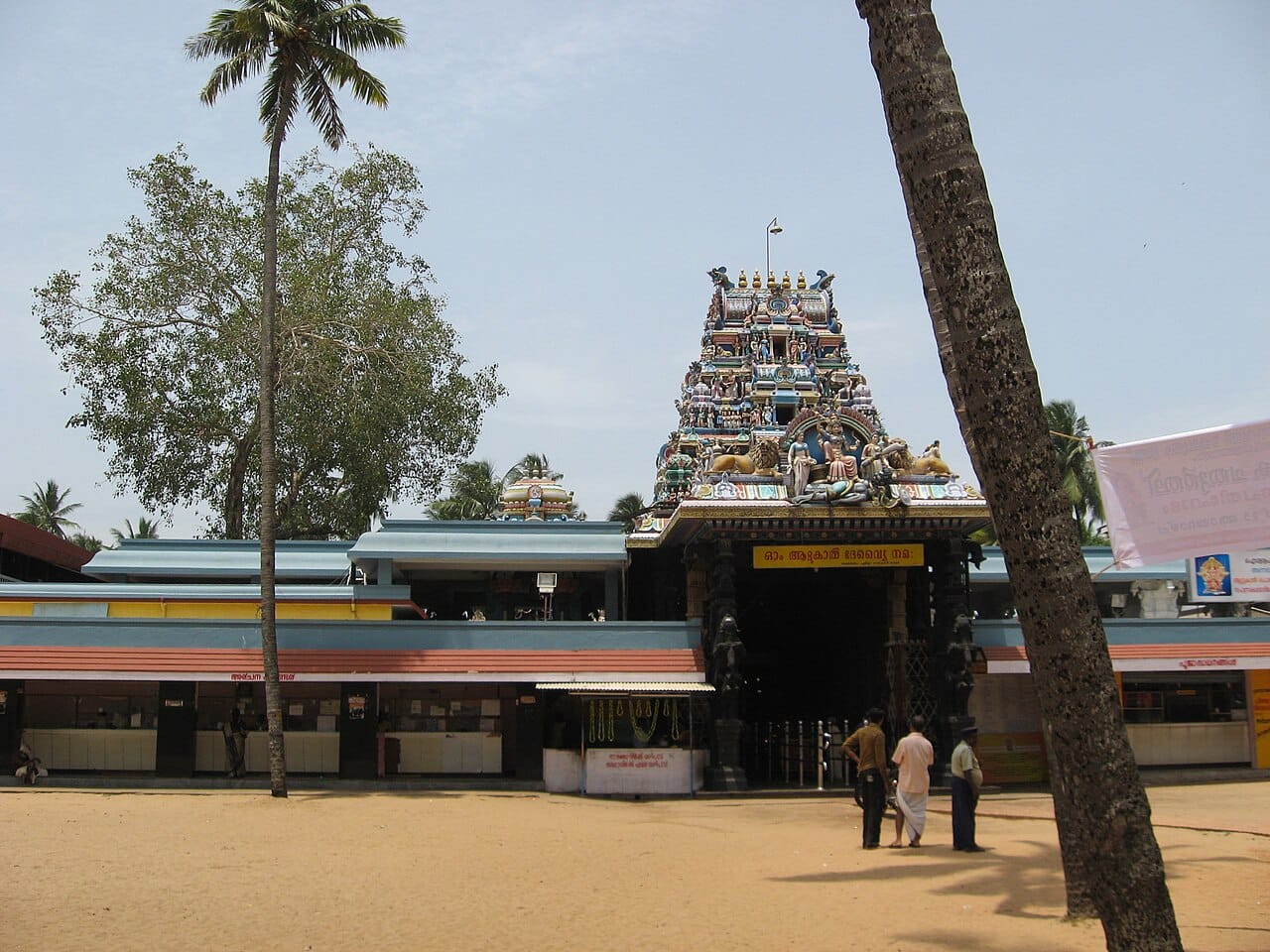
Kerala
Attukal Bhagavathy Temple
Known as the 'Sabarimala of Women', it holds the Guinness World Record for the largest gathering of women for religious activity.
Explore Temple
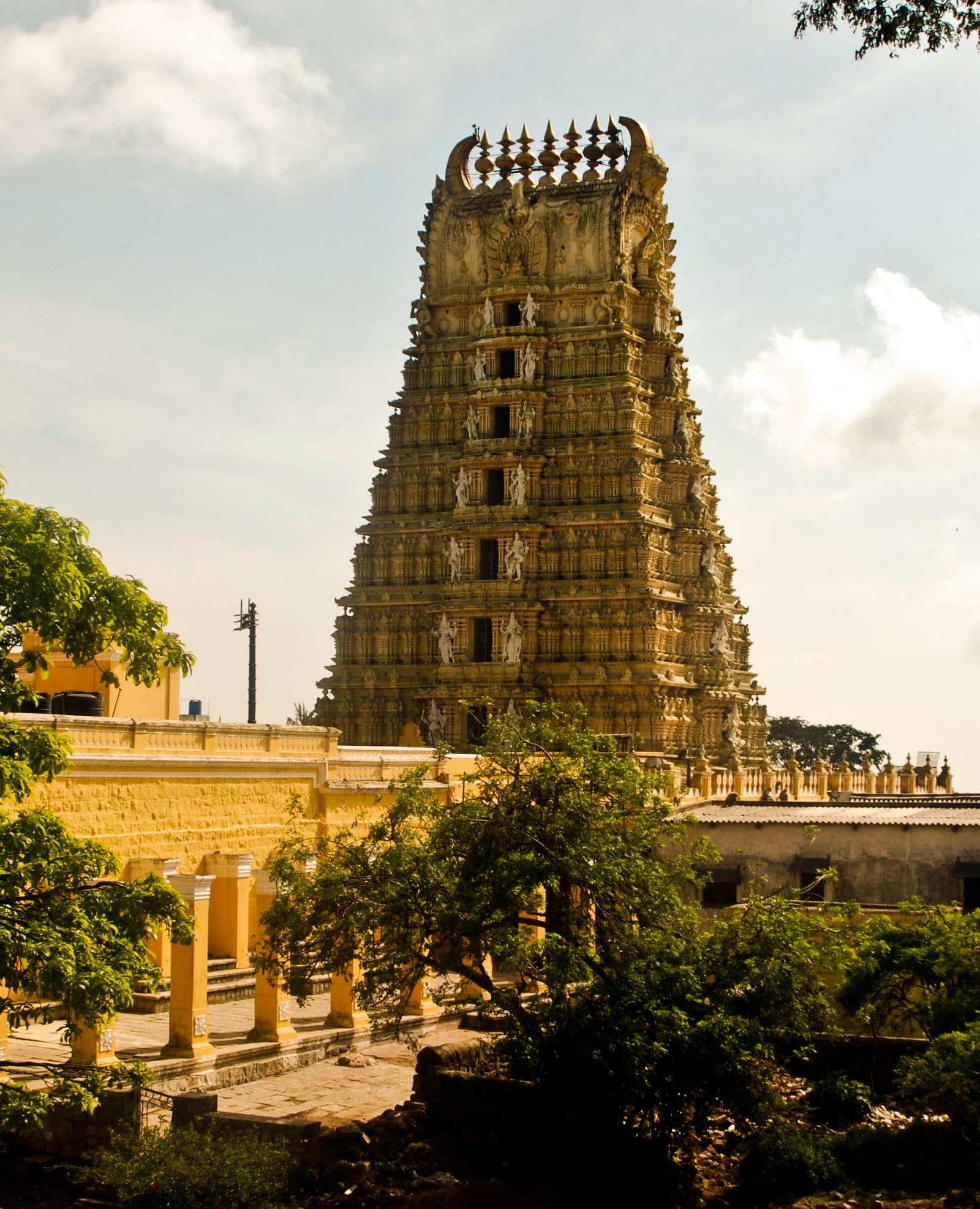
Karnataka
Chamundeshwari Temple
Perched atop Chamundi Hills at 3,489 feet, the Chamundeshwari Temple is the tutelary shrine of the Wodeyar dynasty of Mysore.
Explore Temple
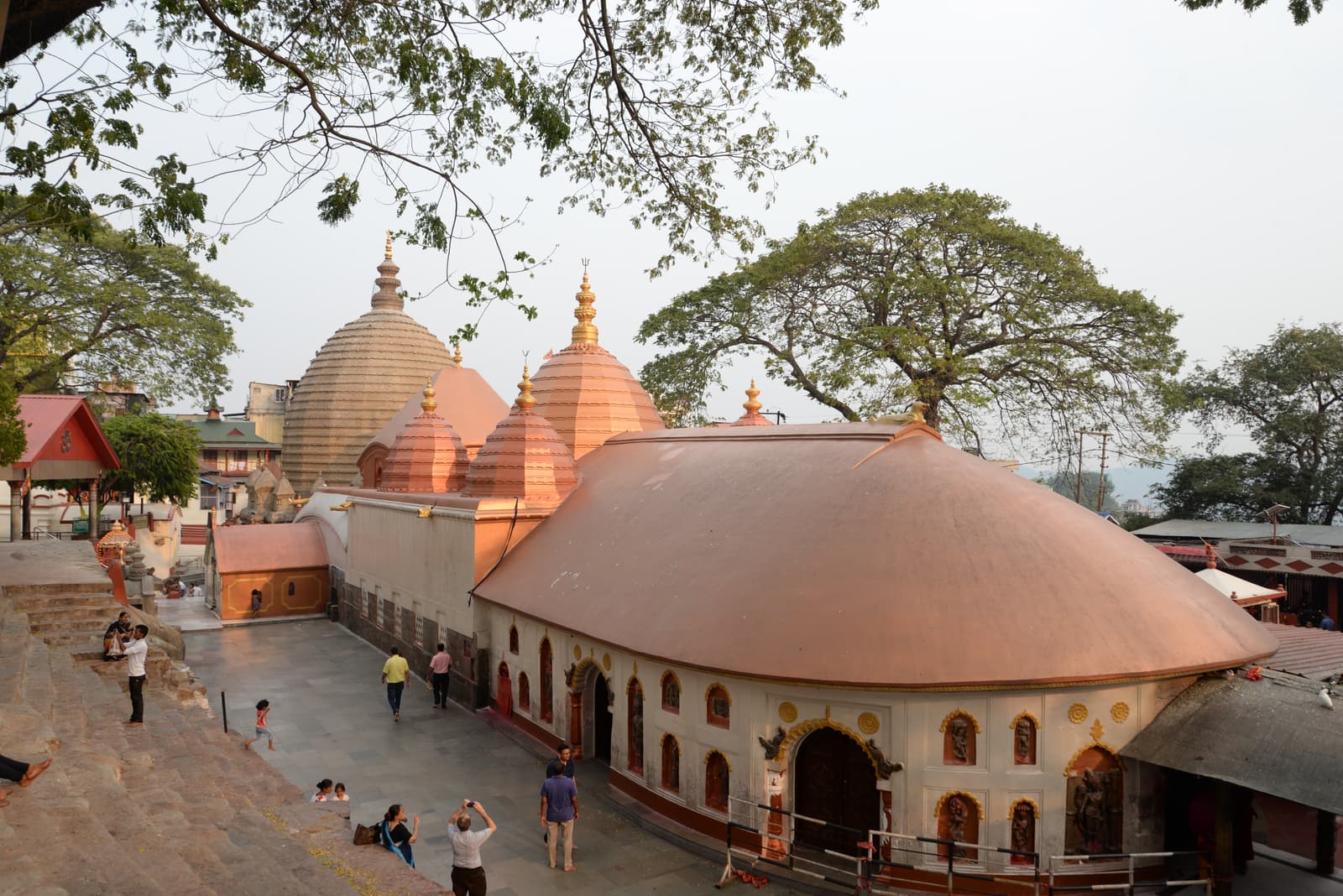
Assam
Kamakhya Temple
One of the most revered Shakti Peethas in India, Kamakhya Temple on Nilachal Hill in Guwahati is the center of Tantric worship in the Northeast.
Explore Temple
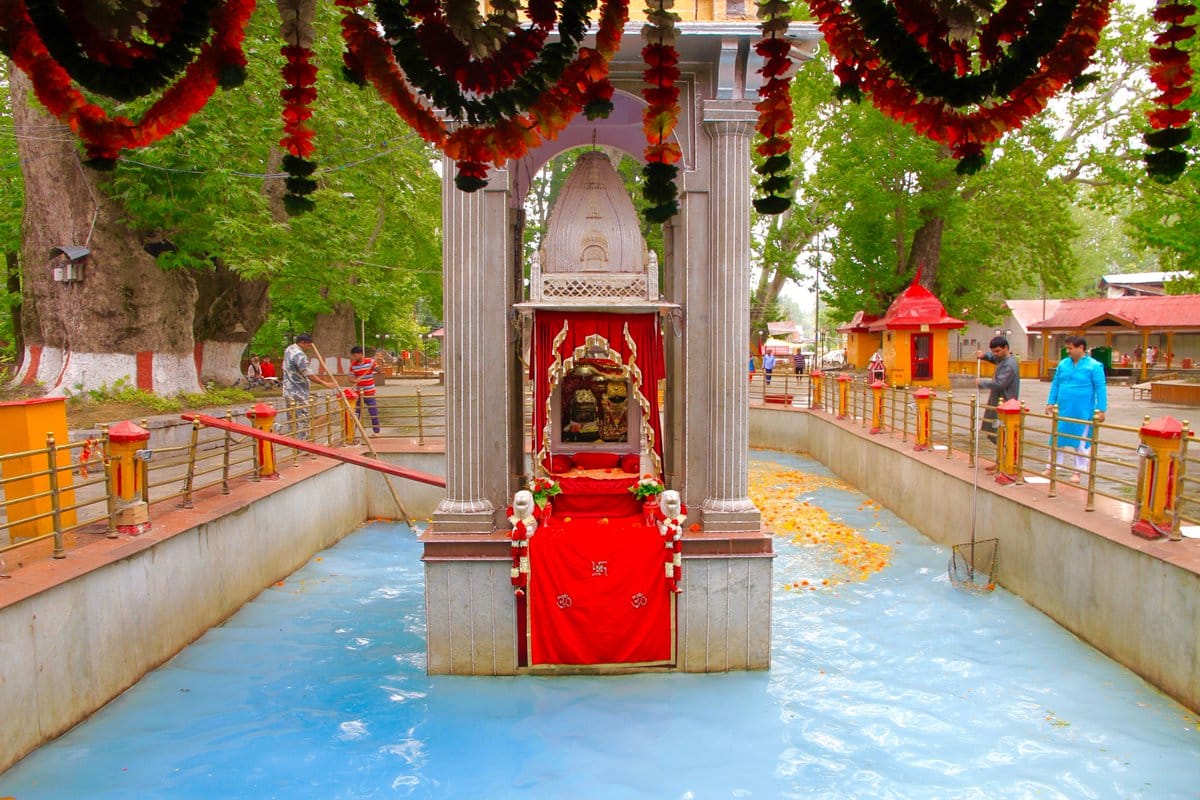
Jammu & Kashmir
Kheer Bhawani Temple
The most important shrine for Kashmiri Pandits, famous for a sacred spring that is said to change color as a divine omen.
Explore Temple
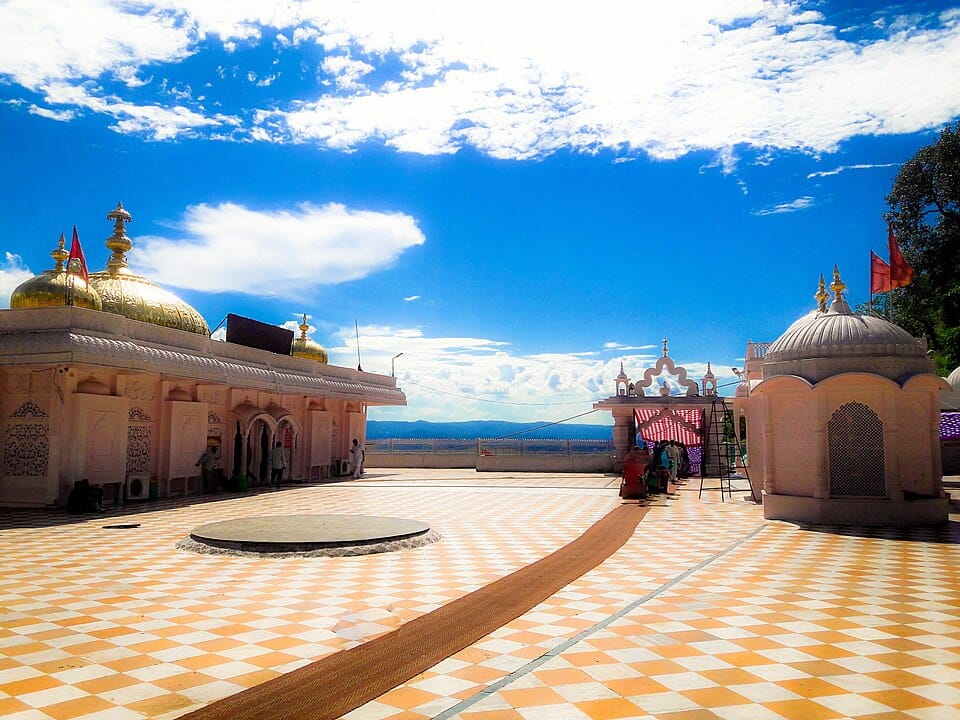
Himachal Pradesh
Jwala Ji Temple
A highly venerated Shakti Peetha where the Goddess manifests as nine eternal natural flames, famous for the legend of Emperor Akbar's failed attempt to extinguish them.
Explore Temple
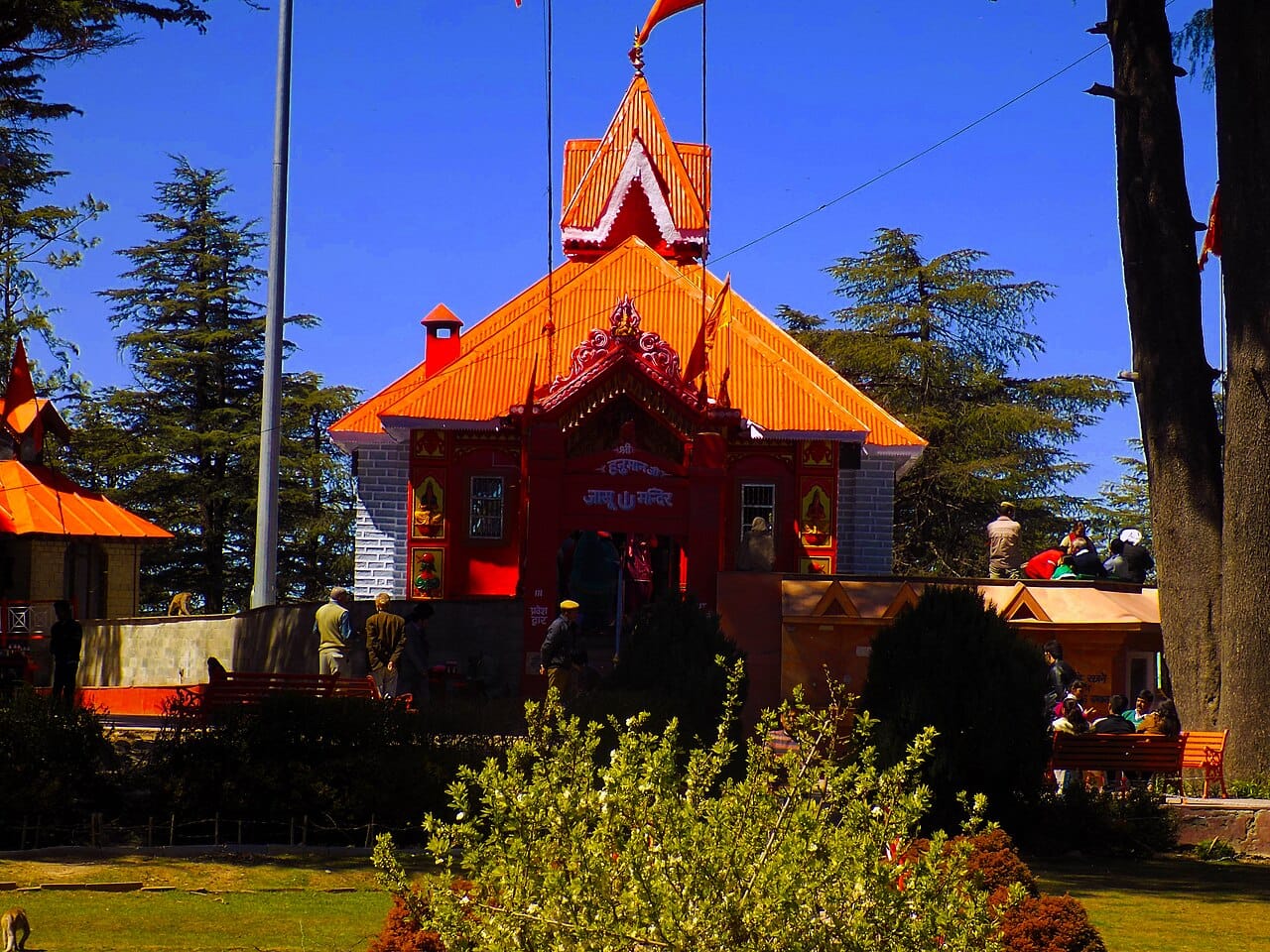
Himachal Pradesh
Chintpurni Temple
A major Shakti Peetha dedicated to Maa Chhinnamastika, the 'Headless Goddess', believed to remove all worries and fulfill the sincere prayers of devotees.
Explore Temple
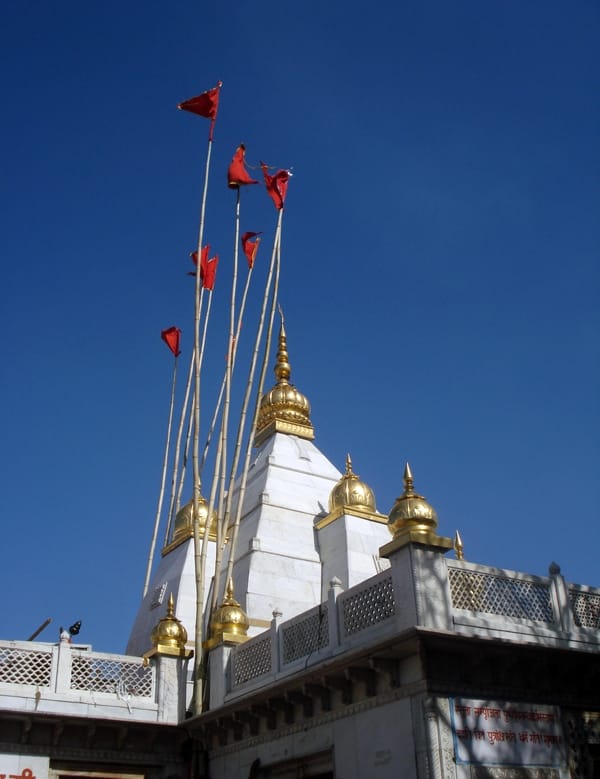
Himachal Pradesh
Naina Devi Temple
A highly revered Shakti Peetha situated on a triangular hilltop where the eyes of Sati are believed to have fallen, offering panoramic views of the Shivalik range and Gobind Sagar…
Explore Temple
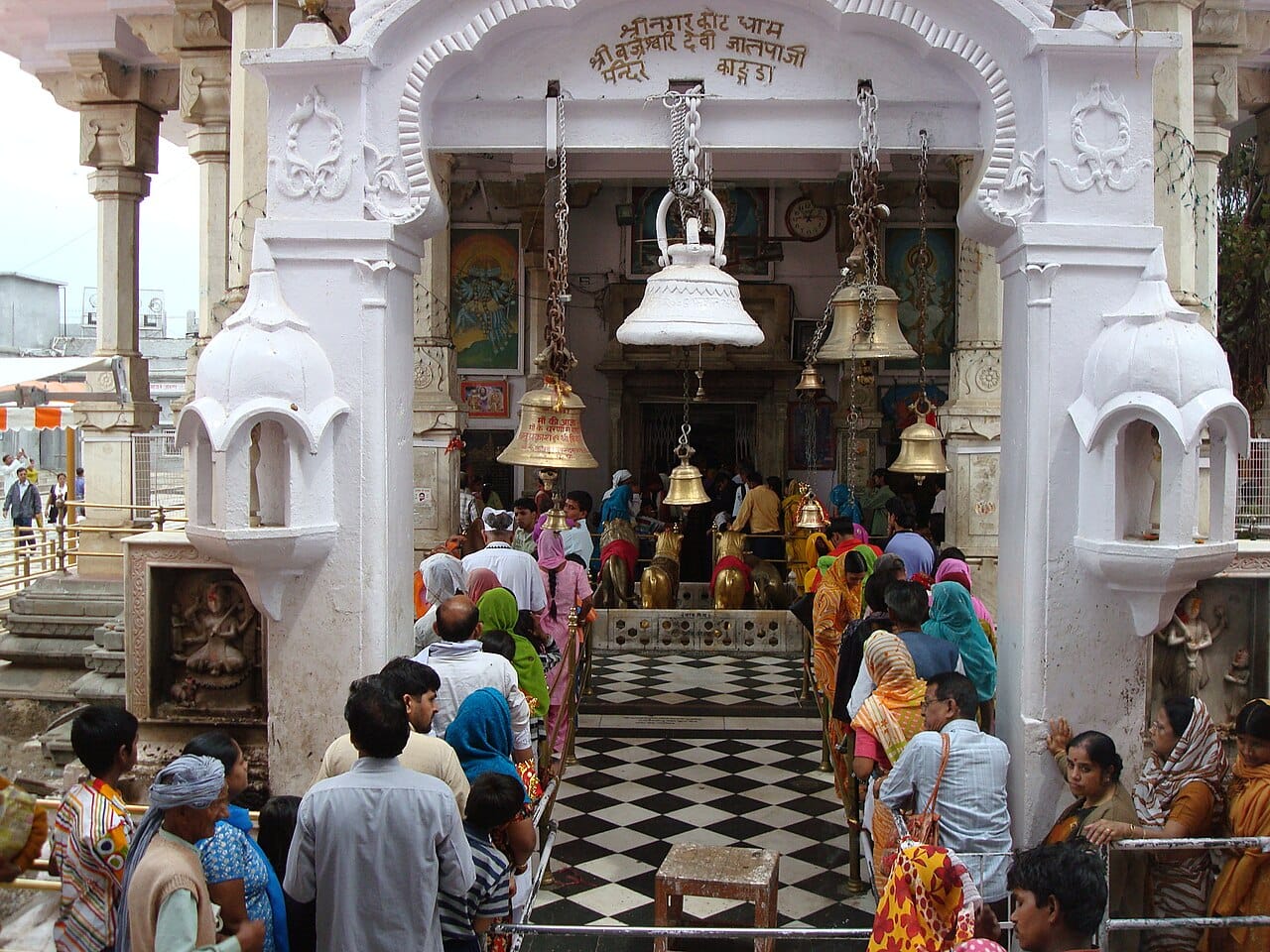
Himachal Pradesh
Bajreshwari Devi Temple
One of the 51 Shakti Peethas, this ancient temple is famous for its legendary wealth and the unique 'Makhan ka Lep' ritual on Makar Sankranti.
Explore Temple
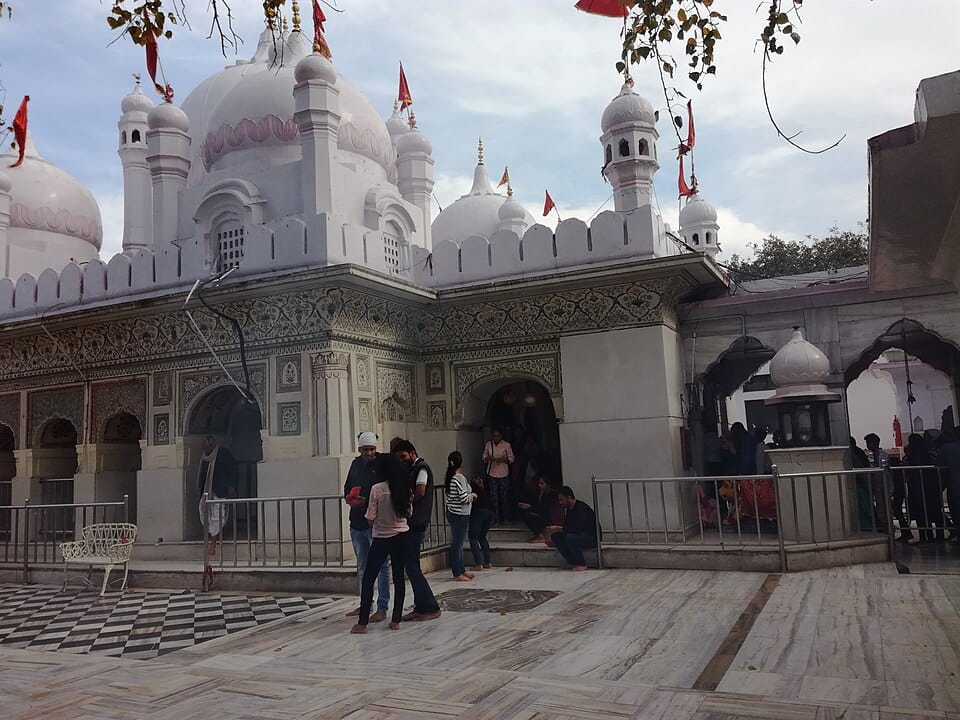
Haryana
Mata Mansa Devi Temple
A premier Shakti Peetha where the head of Sati is believed to have fallen, famous for its 19th-century wall paintings and the twin Navratri melas.
Explore Temple
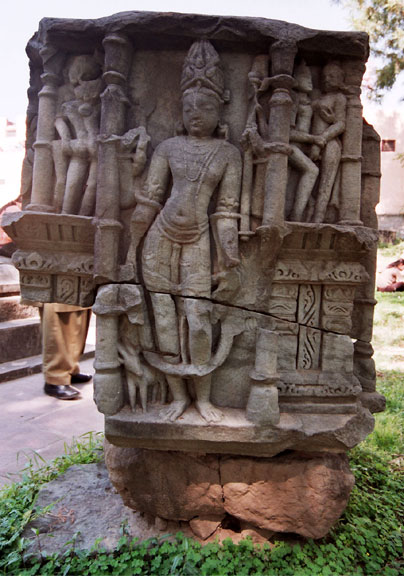
Haryana
Bhima Devi Temple
Often hailed as the 'Khajuraho of North India', this 8th-to-11th-century architectural marvel features magnificent Gurjara-Pratihara ruins and an open-air museum.
Explore Temple
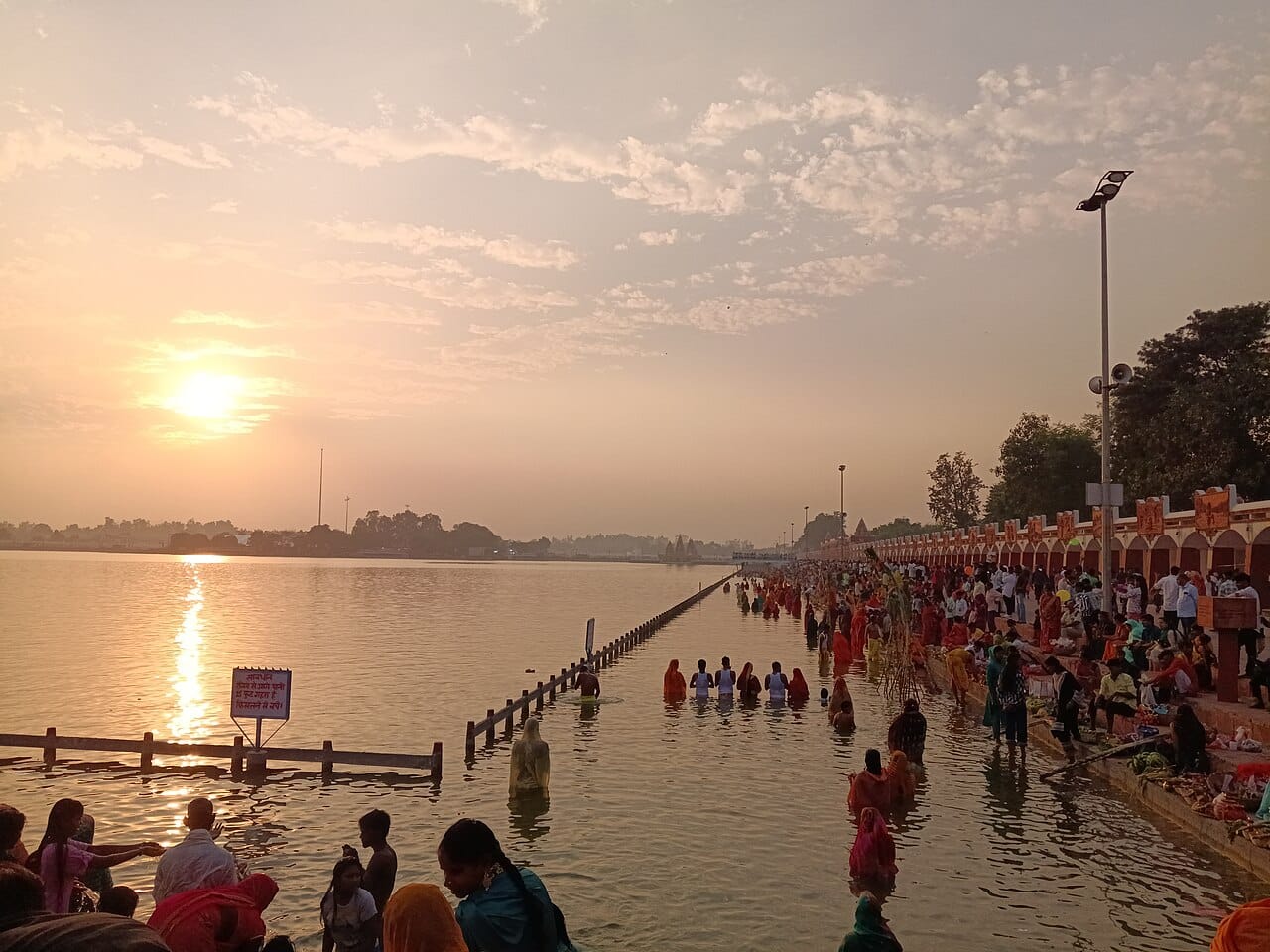
Haryana
Brahma Sarovar
A magnificent ancient water tank in Kurukshetra, deeply tied to the Mahabharata and the creation of the universe by Lord Brahma.
Explore Temple
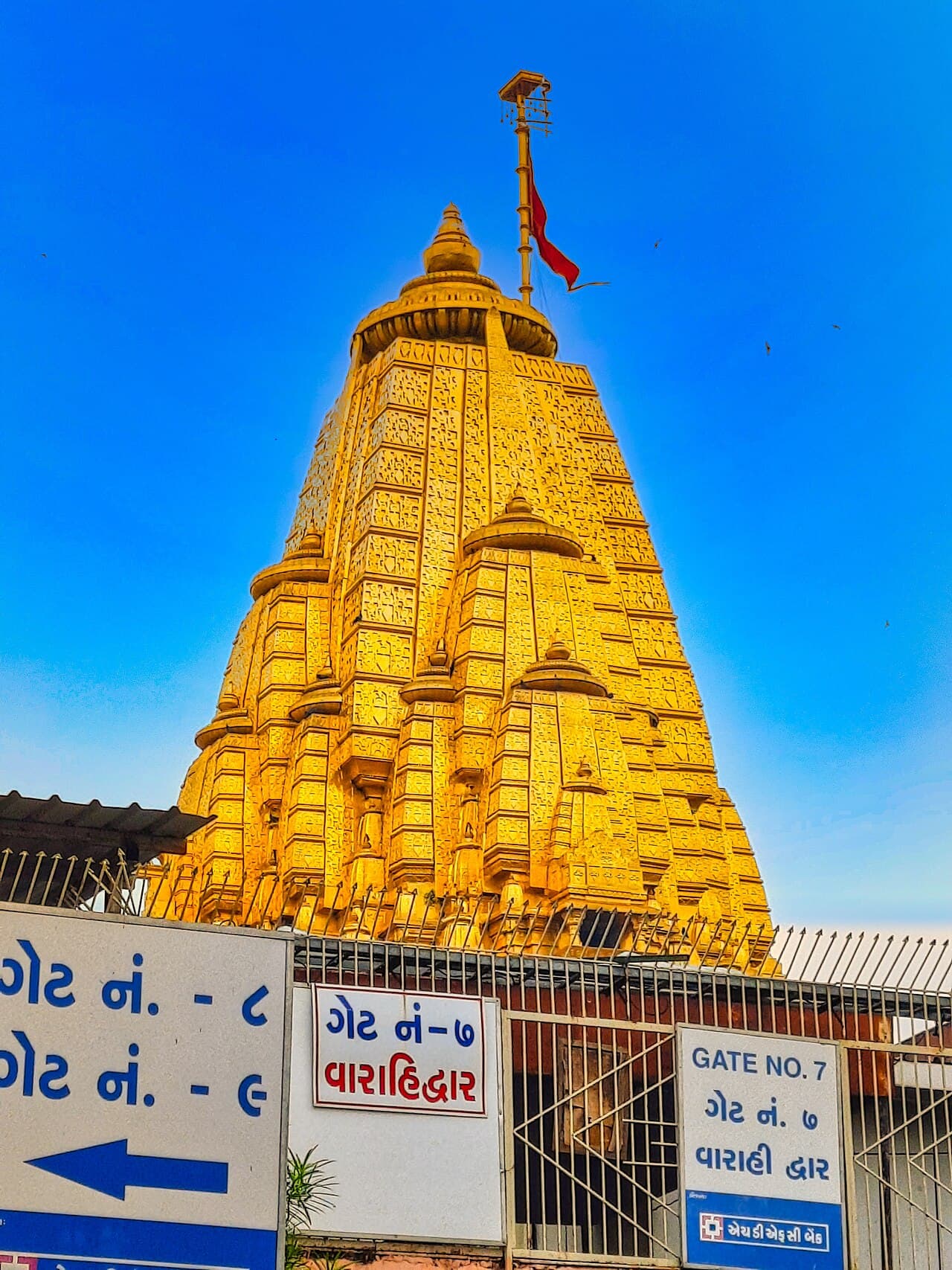
Gujarat
Ambaji Temple
The Ambaji Temple on the Arasur Hills in Banaskantha district, Gujarat, is one of the 51 Shakti Peethas where the heart of Goddess Sati is believed to have fallen.
Explore Temple
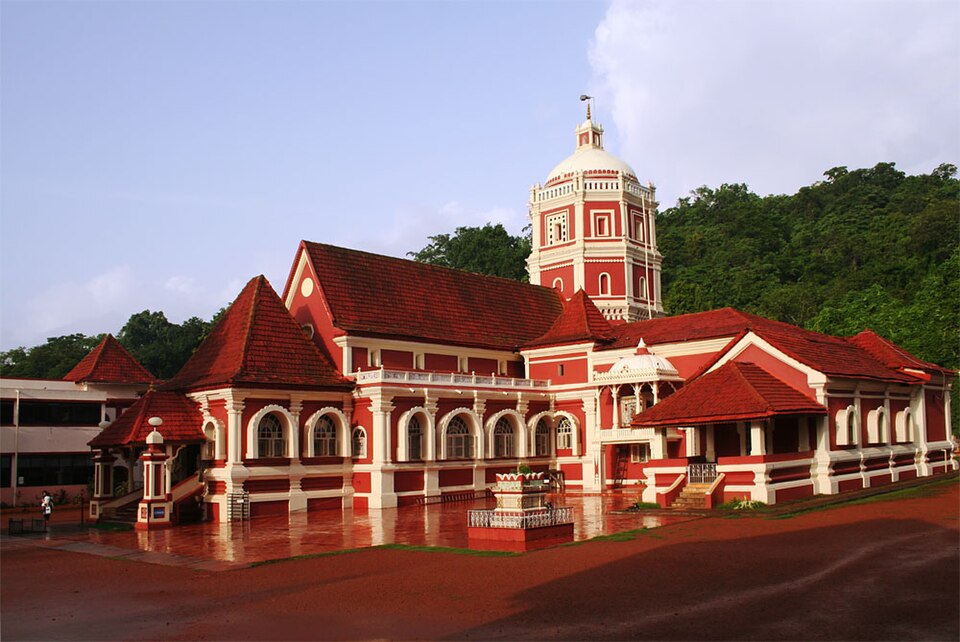
Goa
Shanta Durga Temple
A premier Shakti shrine in Goa, dedicated to the peaceful manifestation of Durga who mediated between Shiva and Vishnu, featuring unique Indo-Portuguese architecture.
Explore Temple
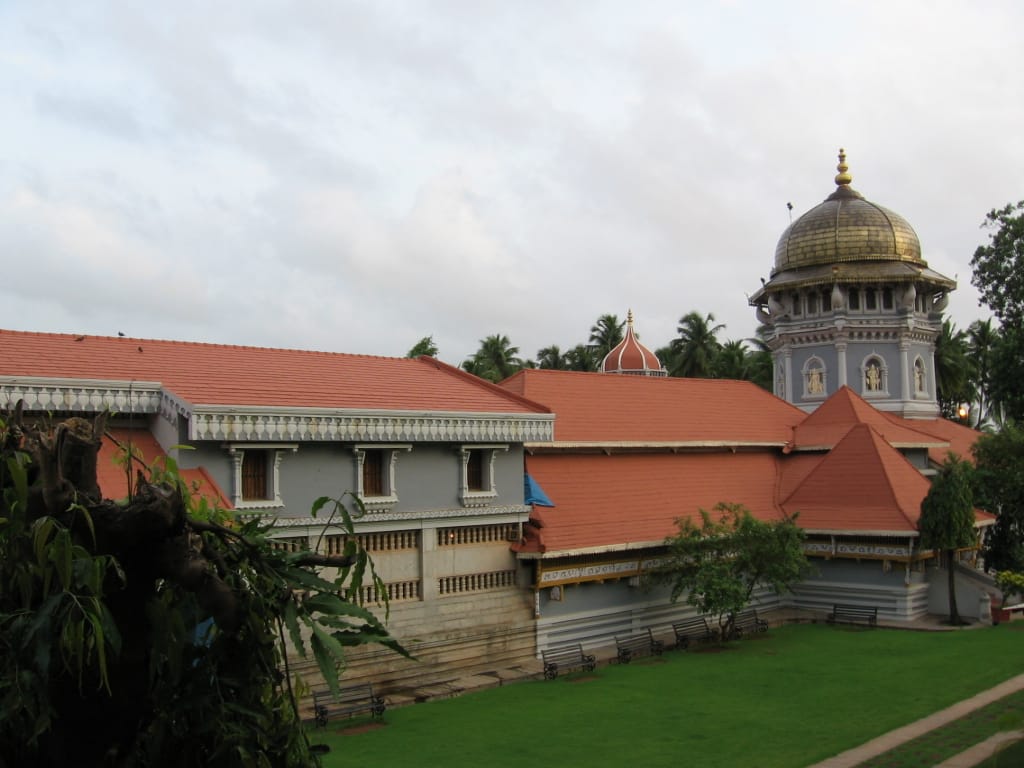
Goa
Mahalasa Narayani Temple
A unique and ancient shrine dedicated to the Mohini avatar of Lord Vishnu, famous for its 21-story brass Deepastambha and its history of survival during the Portuguese Inquisition.
Explore Temple
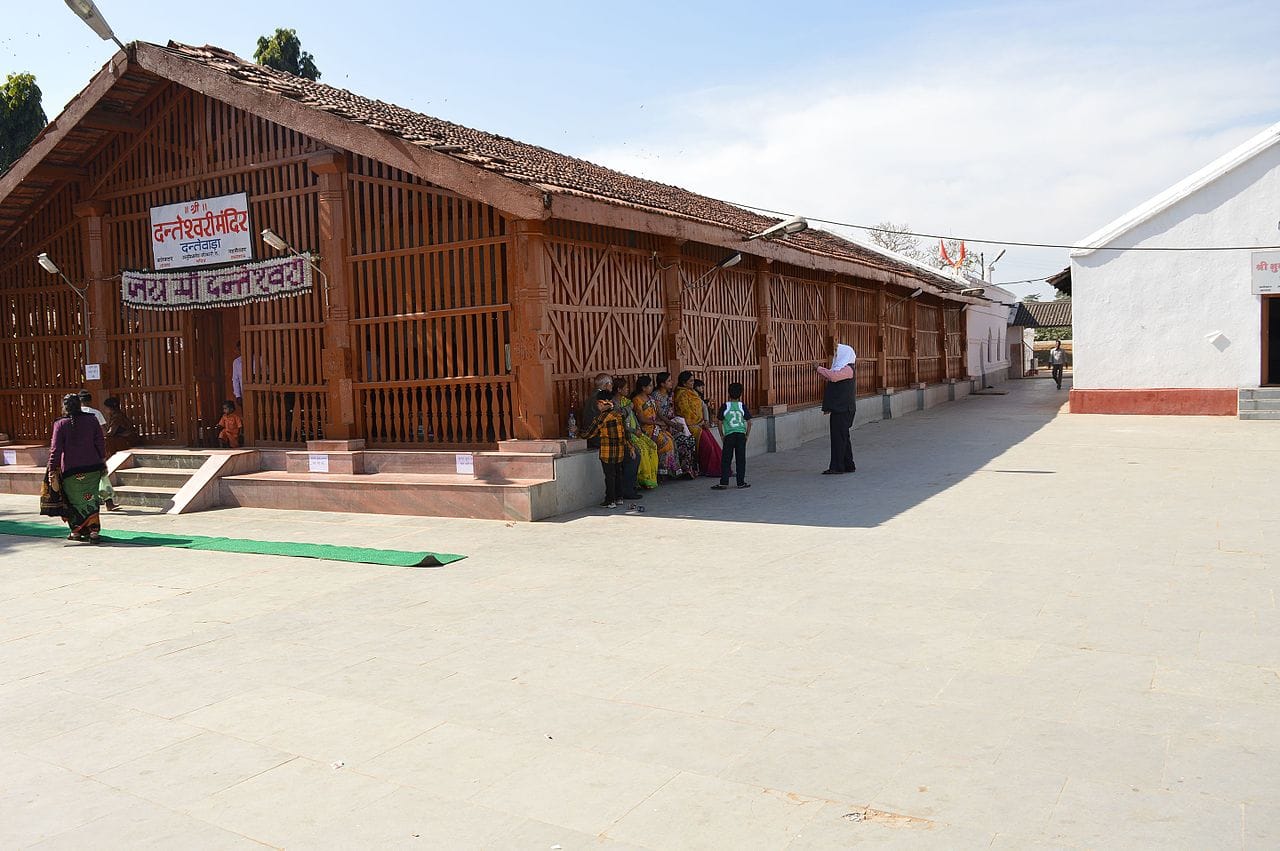
Chhattisgarh
Danteshwari Temple
A major Shakti Peetha located in the tribal heartland of Bastar, where the tooth of Sati is believed to have fallen.
Explore Temple
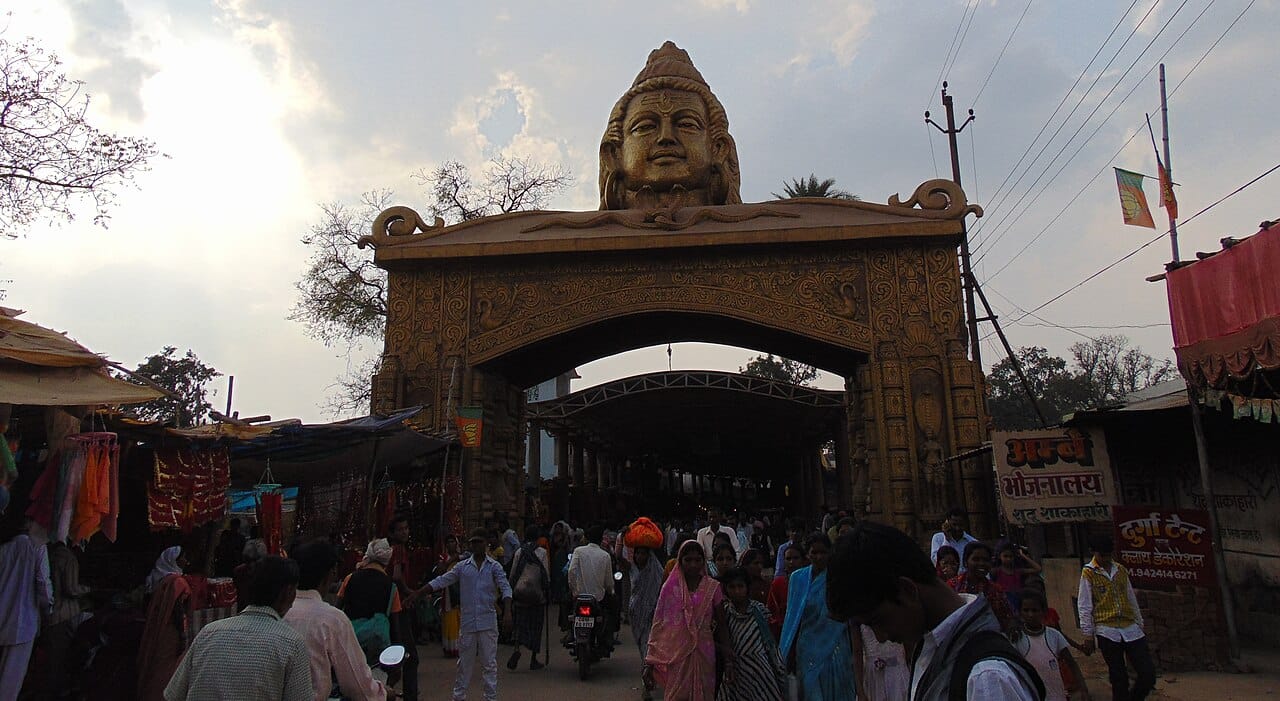
Chhattisgarh
Mahamaya Temple
An 11th-century Shakti Peetha where the right shoulder of Sati is believed to have fallen; unique for its dual idols representing both Mahalakshmi and Mahasaraswati.
Explore Temple
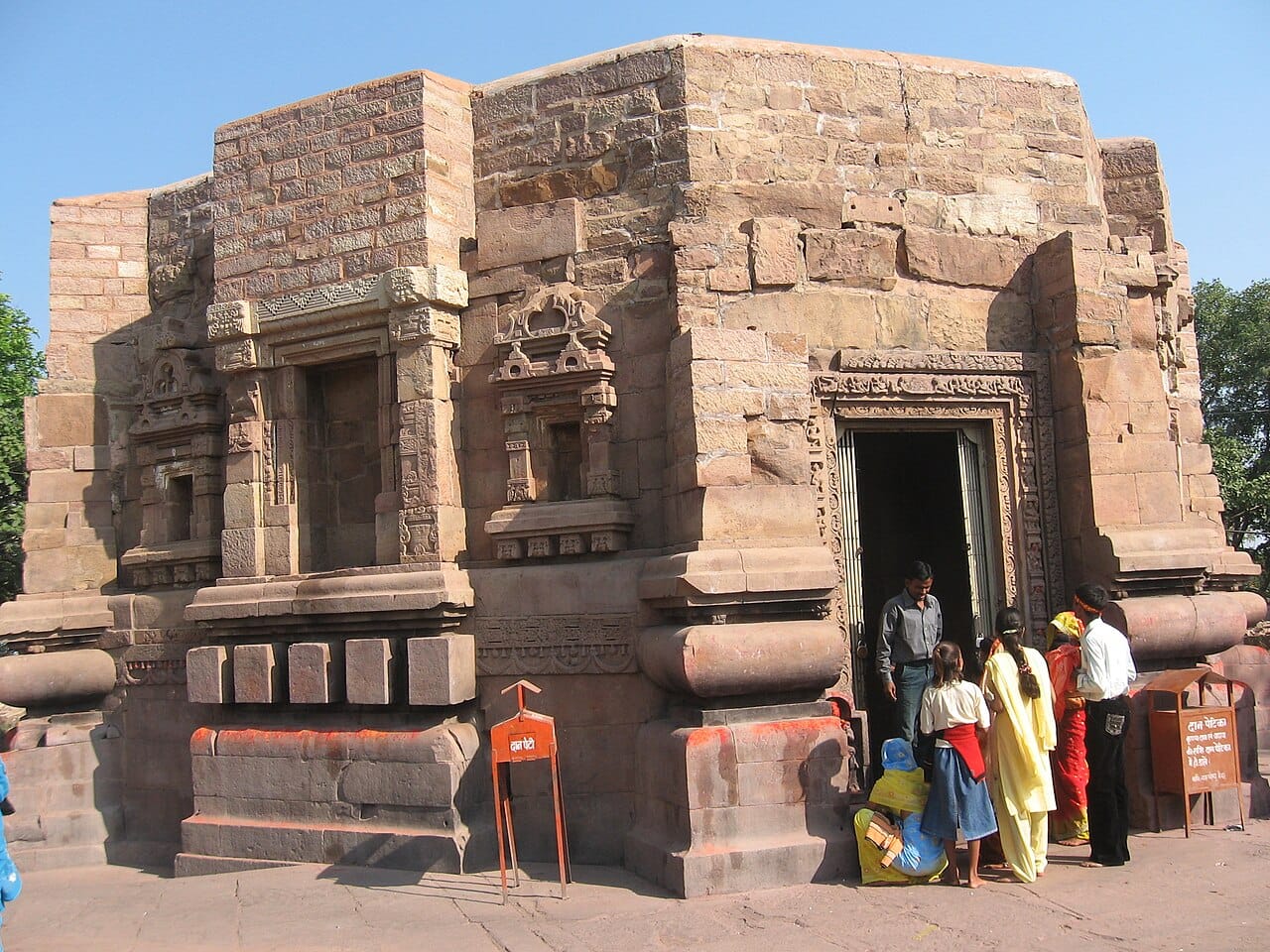
Bihar
Mundeshwari Temple
Often described as the oldest continuously functioning temple in India (claimed 108 AD; ASI plaque gives 635 AD), this ancient octagonal temple on Pawra Hill is known for its unique…
Explore Temple
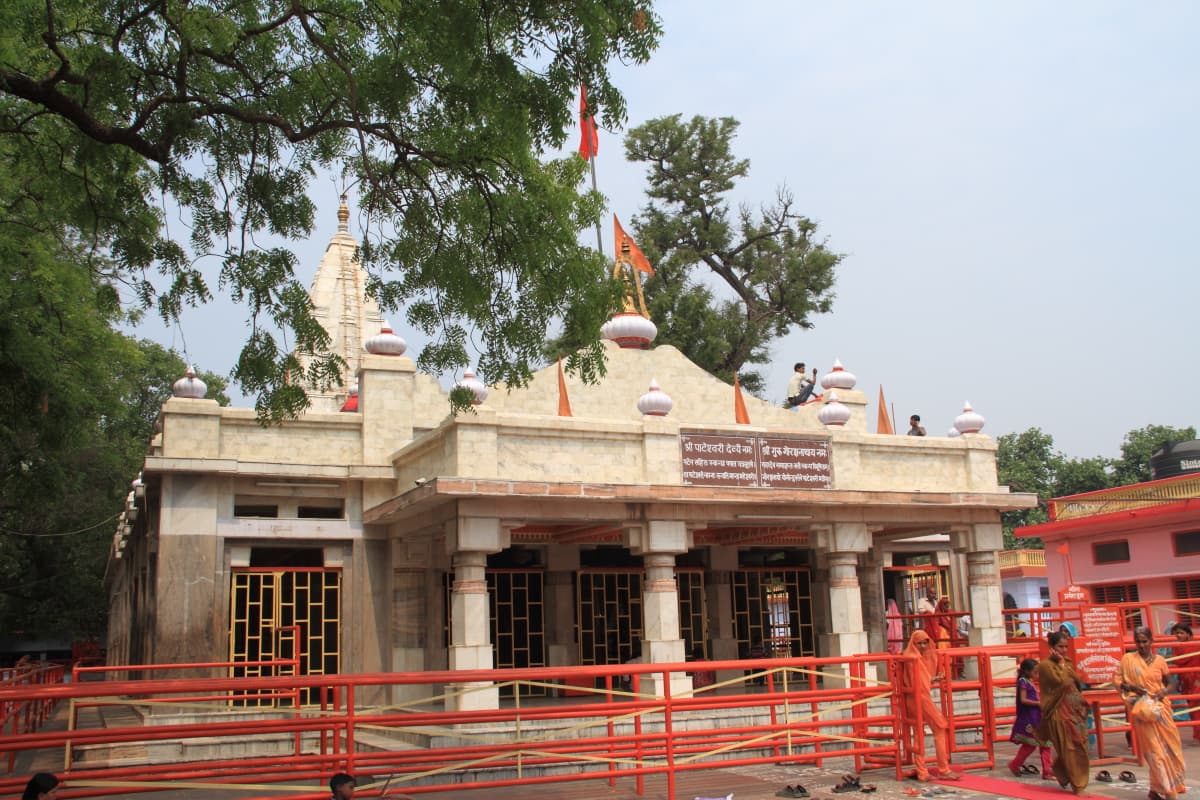
Bihar
Patan Devi Temple
One of the 51 Shakti Peethas and the oldest surviving temple in Patna, believed to be where the right thigh of Goddess Sati fell.
Explore Temple
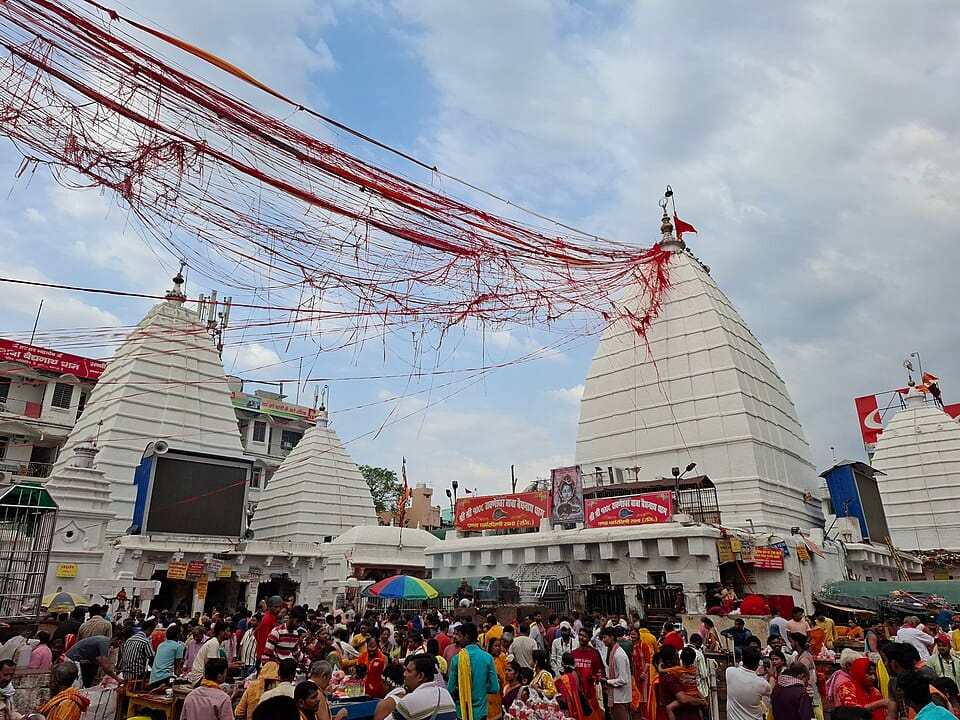
Jharkhand
Baidyanath Jyotirlinga Temple
Where Shiva is worshipped not as destroyer but as physician. Baidyanath — the Lord of Healing — draws millions who carry Ganga water 108 km barefoot in the Kaanwar Yatra.
Explore Temple
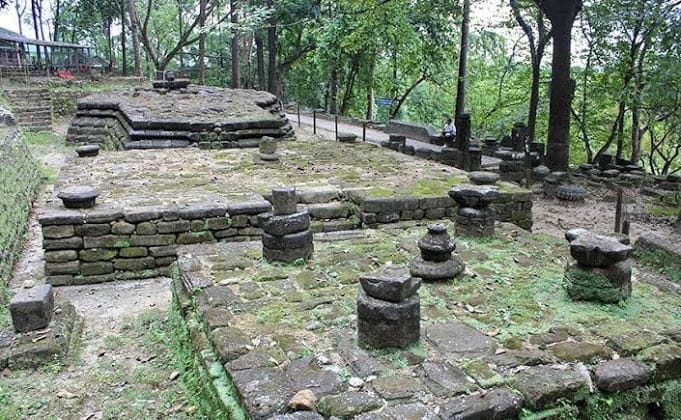
Arunachal Pradesh
Malinithan Temple
An ancient 14th-century archaeological site housing exquisite granite sculptures that bridge the cultures of the plains and the Himalayas.
Explore Temple
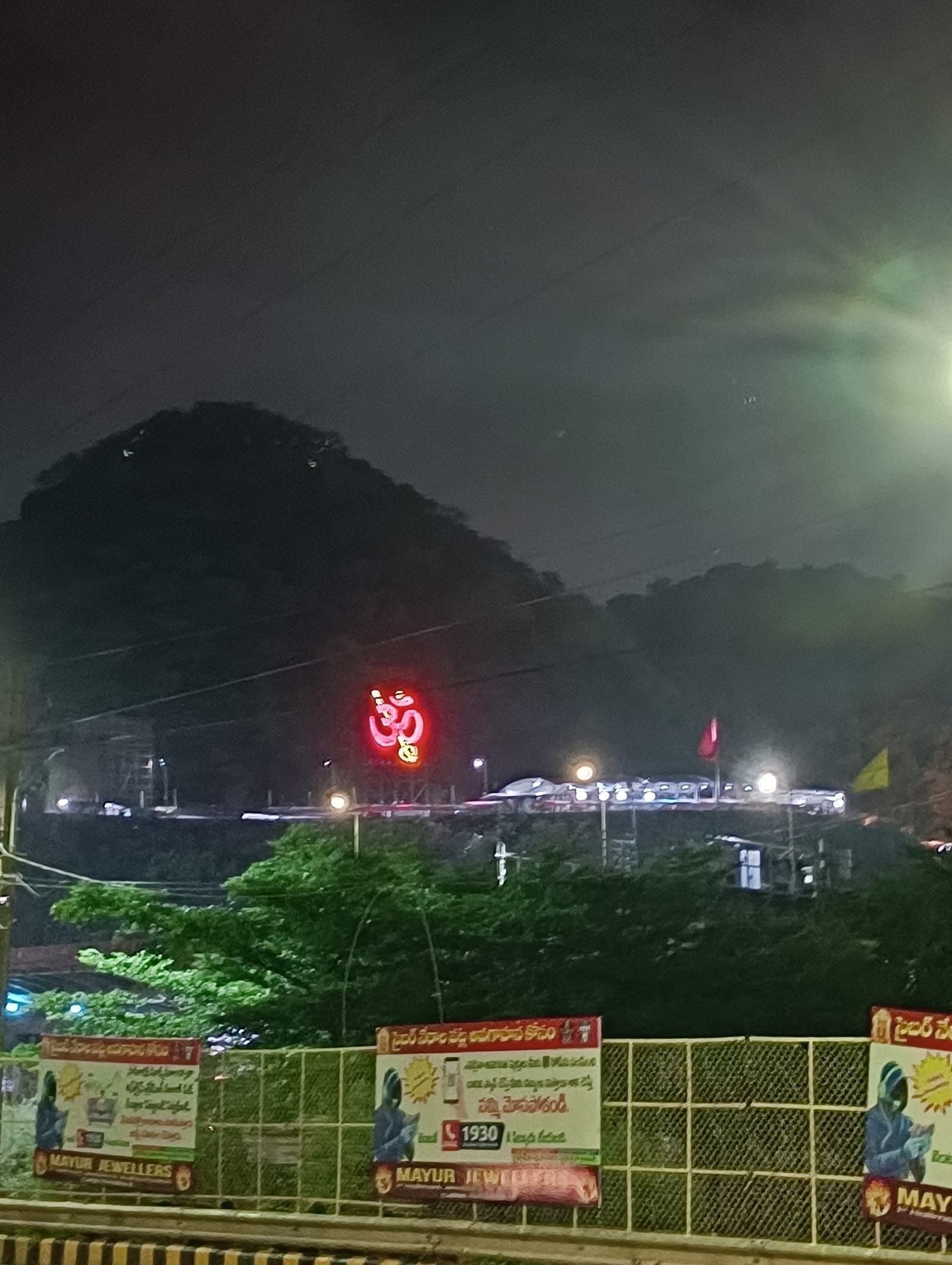
Andhra Pradesh
Kanaka Durga Temple
Kanaka Durga Temple, situated on the Indrakeeladri Hill on the banks of the Krishna River in Vijayawada, is a popular Shakti temple in South India.
Explore Temple
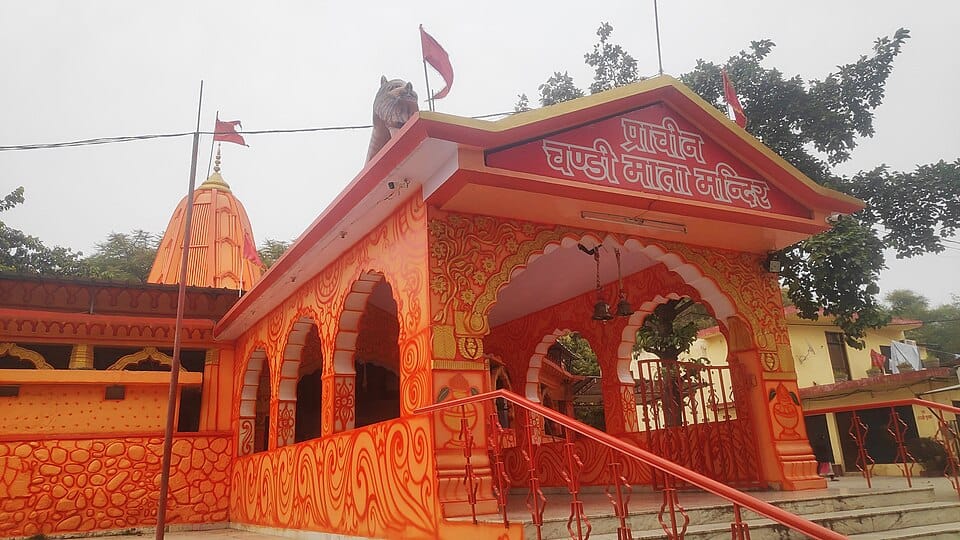
Chandigarh / Haryana
Chandi Mandir
The historic Siddh Shakti shrine dedicated to Goddess Chandi located in Panchkula district on the Shivalik foothills, directly providing the name for the union territory of Chandigarh ('Chandi' + 'Garh').
Explore Temple
Andaman & Nicobar
Sri Lakshmi Narayan Temple
Centrally located Nagara-style Vishnu temple in Aberdeen Bazaar, Port Blair, enshrining Lord Vishnu and Goddess Lakshmi with a graceful shikhara that serves as a prime community landmark for island residents.
Explore Temple
In-Depth Guide
Devi Temples Legacy
Devi temples in India represent the worship of the divine feminine in its manifold forms, from the fierce Kali and Durga to the benevolent Lakshmi and Saraswati. The tradition of goddess worship (Shaktism) has deep roots in the Indian subcontinent, with archaeological evidence from the Indus Valley civilization suggesting early mother goddess veneration. The canonical geography of Shaktism is defined by the 51 Shakti Peethas, where parts of Sati's body are believed to have fallen, creating a sacred landscape that extends from present-day Pakistan and Bangladesh across India to Sri Lanka and Nepal.
The 51 Shakti Peethas
According to the myth, when Sati immolated herself in Daksha's sacrificial fire, Shiva carried her body across the cosmos. Vishnu used his sudarshana chakra to dismember Sati's body, and the parts fell at 51 locations across the Indian subcontinent. Each Shakti Peetha is associated with a specific body part and a corresponding Bhairava (Shiva guardian form). The Kamakhya Temple in Assam, where Sati's yoni (womb) fell, is the most prominent, followed by Tarapith in West Bengal where her third eye fell, and Kalighat in Kolkata where her right toe fell. Major Shakti Peethas in South India include Kanchi Kamakshi (Tamil Nadu) and Srisailam Bhramaramba (Andhra Pradesh).
Regional Traditions of Devi Worship
Devi worship takes distinct forms across regions. In West Bengal and Odisha, Durga Puja is the most significant festival, celebrating the goddess's victory over Mahishasura with elaborate temporary temples (pandals). In Maharashtra, the goddess is worshipped as Ambabai at Kolhapur, Mahalakshmi, and Tulja Bhavani. South Indian Devi temples prominently feature Meenakshi (Madurai), Kamakshi (Kanchipuram), and Andal (Srivilliputhur), each with distinct local traditions. In Kerala, the goddess is worshipped as Bhagavati in many forms. The Himachal Pradesh and Jammu regions have significant Shakti Peethas like Jwala Ji, Chintpurni, Naina Devi, and Vaishno Devi, each drawing millions of pilgrims annually.
Devi Iconography
Devi is depicted in multiple iconographic forms. Mahishasuramardini shows Durga riding a lion, slaying the buffalo demon with a trident. Kali is shown with a garland of skulls, protruding tongue, and a sword, trampling Shiva beneath her. Lakshmi is depicted as a golden-hued goddess seated on a lotus, showering coins. Saraswati plays the veena, symbolizing learning and the arts. Chamunda, the emaciated goddess, sits on a corpse surrounded by jackals. The Saptamatrikas (seven mother goddesses) are commonly depicted in temple panels, representing different aspects of Shakti. The Navadurga (nine forms of Durga) are worshipped during the nine nights of Navaratri.
Major Devi Temples
Beyond the Shakti Peethas, several Devi temples command national importance. The Meenakshi Temple in Madurai is among the largest and most ornate temple complexes in India, with its 14 gopurams and hall of a thousand pillars. The Chamundeshwari Temple atop Mysore's Chamundi Hill is the city's patron goddess. The Mahalakshmi Temple at Kolhapur is one of the three Mahalakshmi temples along with those in Goa and Karwar. The Ambaji Temple in Gujarat is a major Shakti Peetha where the heart of Sati fell, uniquely identified by a Shree Yantra rather than an idol. The Vishalakshi Temple at Kashi completes the trio of goddess shrines in Varanasi.
Festivals of the Goddess
Navaratri (nine nights) is the most widely observed Devi festival, celebrated twice annually in spring (Chaitra) and autumn (Sharad). The autumn Navaratri culminates in Dussehra (Vijayadashami), celebrating Durga's victory. Durga Puja in Kolkata is UNESCO-recognized as Intangible Cultural Heritage. Ambubachi Mela at Kamakhya Temple marks the goddess's annual menstruation and draws thousands of tantric practitioners. Vaishno Devi Yatra attracts over 8 million pilgrims annually. The Bhavani Ashtami at Tuljapur and the Rath Yatra at Udupi's Krishna Temple (though Vaishnava) are among Maharashtra's and Karnataka's most attended festivals.
Devi Temples at a Glance
| Temple | Location | State | Presiding Deity | Primary Significance |
|---|---|---|---|---|
| Dakshineshwar Kali Temple | Kolkata | West Bengal | Goddess Bhavatarini (Kali) | A world-famous 19th-century temple complex on the Hooghly River, immortalized by its association with the saint Sri Ramakrishna Paramahamsa. |
| Kalighat Kali Temple | Kolkata | West Bengal | Goddess Kali | A major Shakti Peetha where the toes of Sati's right foot fell, serving as the spiritual heart of Kolkata. |
| Tarapith Temple Birbhum | Tarapith | West Bengal | Goddess Tara | A major center for Tantric worship dedicated to Goddess Tara, famous for the saint Bamakhyapa and its sacred cremation ground. |
| Bargabhima Temple Tamluk | Tamluk | West Bengal | — | An ancient 1,150-year-old temple where Sati's left ankle fell, blending Bengali 'at-chala' and Odia 'Kalinga' styles. |
| Hangseshwari Temple Bansberia | Bansberia | West Bengal | Goddess Hangseshwari (Kali) | A unique temple with 13 lotus-bud towers, representing the human body's anatomy according to Yoga and Tantra. |
| Vaishno Devi Temple | Katra | Jammu & Kashmir | Goddess Vaishno Devi (Durga) | The Vaishno Devi Temple, a sacred cave shrine situated in the Trikuta Mountains of Jammu and Kashmir, is one of India's most visited pilgrimage sites, where millions trek 12 km each year to seek blessings of Mata Vaishno Devi at the holy cave complex. |
| Gangotri Temple | Uttarkashi | Uttarakhand | Goddess Ganga | The highest temple dedicated to Goddess Ganga at 3,100 meters, marking where the sacred river descended to earth through Shiva's locks after King Bhagirath's penance. |
| Baijnath Temple Uttarakhand | Bageshwar | Uttarakhand | — | A 12th-century complex on the Gomti banks, famous for its life-sized black stone idol of Goddess Parvati. |
| Kasar Devi Temple Almora | Almora | Uttarakhand | — | A hilltop Durga shrine about eight kilometres north of Almora, where Swami Vivekananda meditated in 1890 and where Crank's Ridge later drew Western seekers. |
| Dhari Devi Temple | Kaliyasaur, Rudraprayag | Uttarakhand | Goddess Dhari Devi (Kali) | A sacred Shakti temple on the banks of the Alaknanda River, considered the guardian deity of the Char Dham Yatra and famous for the idol that changes color three times daily. |
Frequently Asked Questions
Q.What are the 51 Shakti Peethas?
The 51 Shakti Peethas are sacred sites across the Indian subcontinent where parts of Goddess Sati's body fell after her self-immolation. Each site is associated with a specific body part and a Bhairava (guardian form of Shiva).
Q.Which is the most important Devi temple in India?
The Kamakhya Temple in Assam is considered the most important Shakti Peetha as it houses the yoni (womb) of Sati. The temple is the center of Tantric worship and the site of the annual Ambubachi Mela.
Q.How many forms of Durga are worshipped during Navaratri?
Nine forms of Durga, collectively called Navadurga, are worshipped over nine nights: Shailaputri, Brahmacharini, Chandraghanta, Kushmanda, Skandamata, Katyayani, Kalaratri, Mahagauri, and Siddhidatri.
Q.Which is the richest Devi temple in India?
The Padmanabhaswamy Temple in Kerala is technically the richest temple in India, though it is dedicated to Vishnu. Among strictly Devi temples, the Kanchi Kamakshi Temple and the Kolhapur Mahalakshmi Temple are among the wealthiest.
Q.Why is the Ambaji Temple unique among Shakti Peethas?
The Ambaji Temple in Gujarat is unique because no idol or image is worshipped. Instead, the central object of veneration is a Shree Yantra, a geometric diagram representing the goddess in her formless aspect.
Sources & References
These records back the dating, architectural classification and visitor guidance published on this Devi Temples page.
Archaeological Survey of India
Archaeological Survey of India — monument records and conservation reports
Protection status, dating, architectural classification and published conservation records for the monuments named on this page.
Primary archaeological record
Open source (opens in a new tab)Ministry of Tourism, Government of India
Ministry of Tourism — official destination information
Official Government of India destination information — access, visitor circuits and travel guidance referenced on this page.
Government record
Open source (opens in a new tab)
— every record linked above was re-requested for this release, so the link still resolves and the publisher still serves the document. It is a link check, not a re-verification of every sentence on this page.
Missing something, or found an error? Send us a correction with the record that supports it, or read how we choose sources.