no
Theme Collection
North India Temples
Discover the beehive-shaped shikharas and high-altitude sanctuaries of North India, from the plains of Ganga to the peaks of Himalayas.
The Collection
Featured Shrines
Explore our curated selection of north india temples that define this architectural and spiritual category.
65 Sites Identified
Jammu & Kashmir
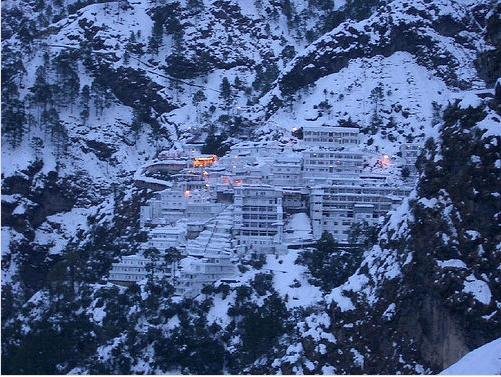
Vaishno Devi Temple
The Vaishno Devi Temple, a sacred cave shrine situated in the Trikuta Mountains of Jammu and Kashmir, is one of India's most visited pilgrimage sites, where millions trek 12 km…
Explore Temple
Uttarakhand
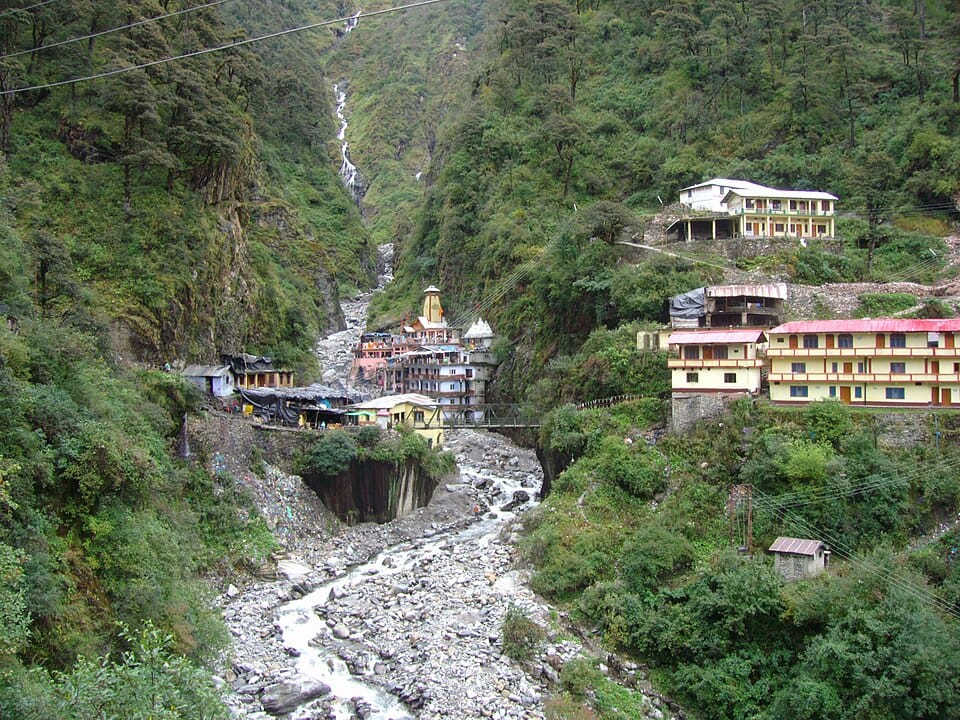
Yamunotri Temple
The first stop on the Char Dham Yatra at 3,291 meters, where the Yamuna River originates and pilgrims cook offerings in geothermal springs before darshan.
Explore Temple
Uttarakhand
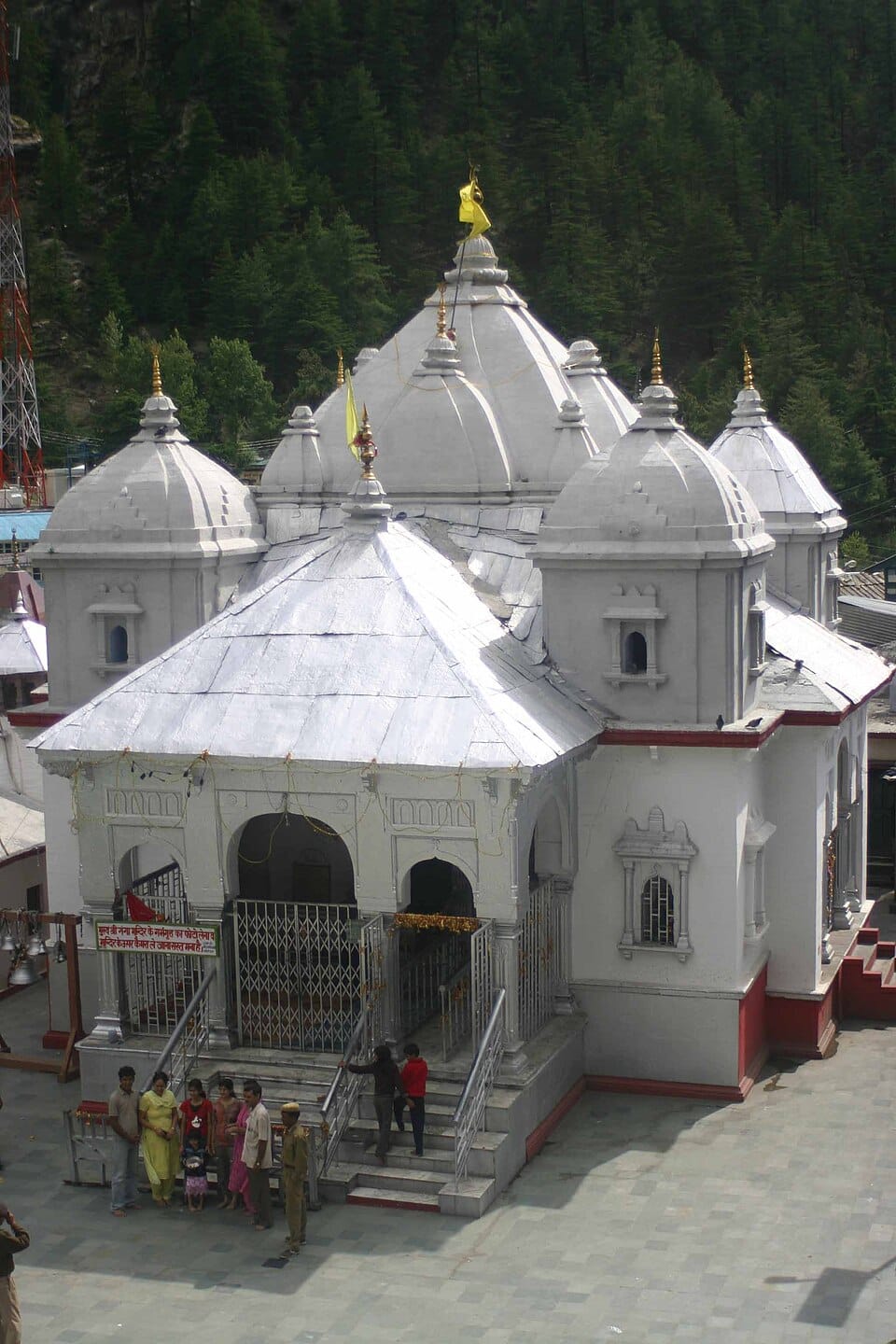
Gangotri Temple
The highest temple dedicated to Goddess Ganga at 3,100 meters, marking where the sacred river descended to earth through Shiva's locks after King Bhagirath's penance.
Explore Temple
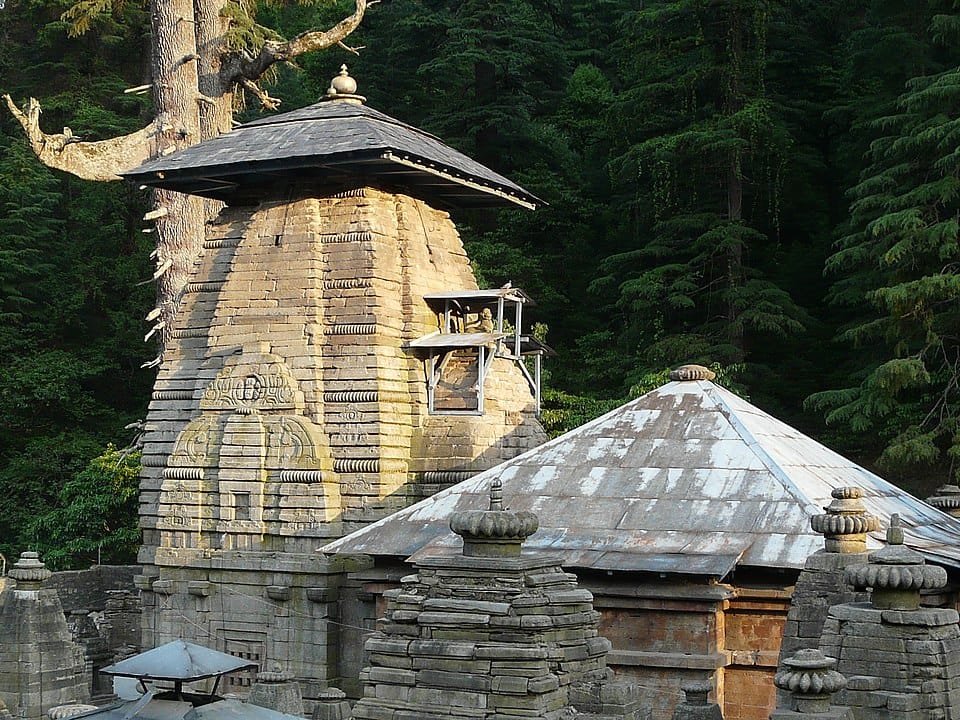
Uttarakhand
Jageshwar Temple
A cluster of 124 ancient stone temples from the 7th-12th centuries, situated in a dense deodar forest.
Explore Temple
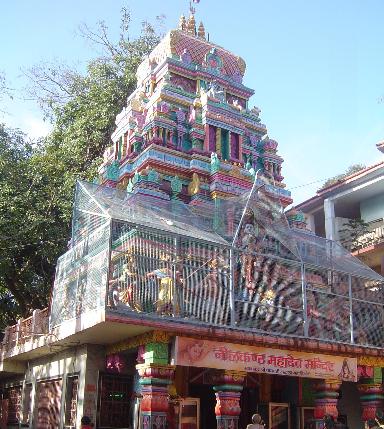
Uttarakhand
Neelkanth Mahadev Temple
Situated at 1,330 meters, this is where Lord Shiva is believed to have consumed the poison (Halahala) during the Samudra Manthan.
Explore Temple
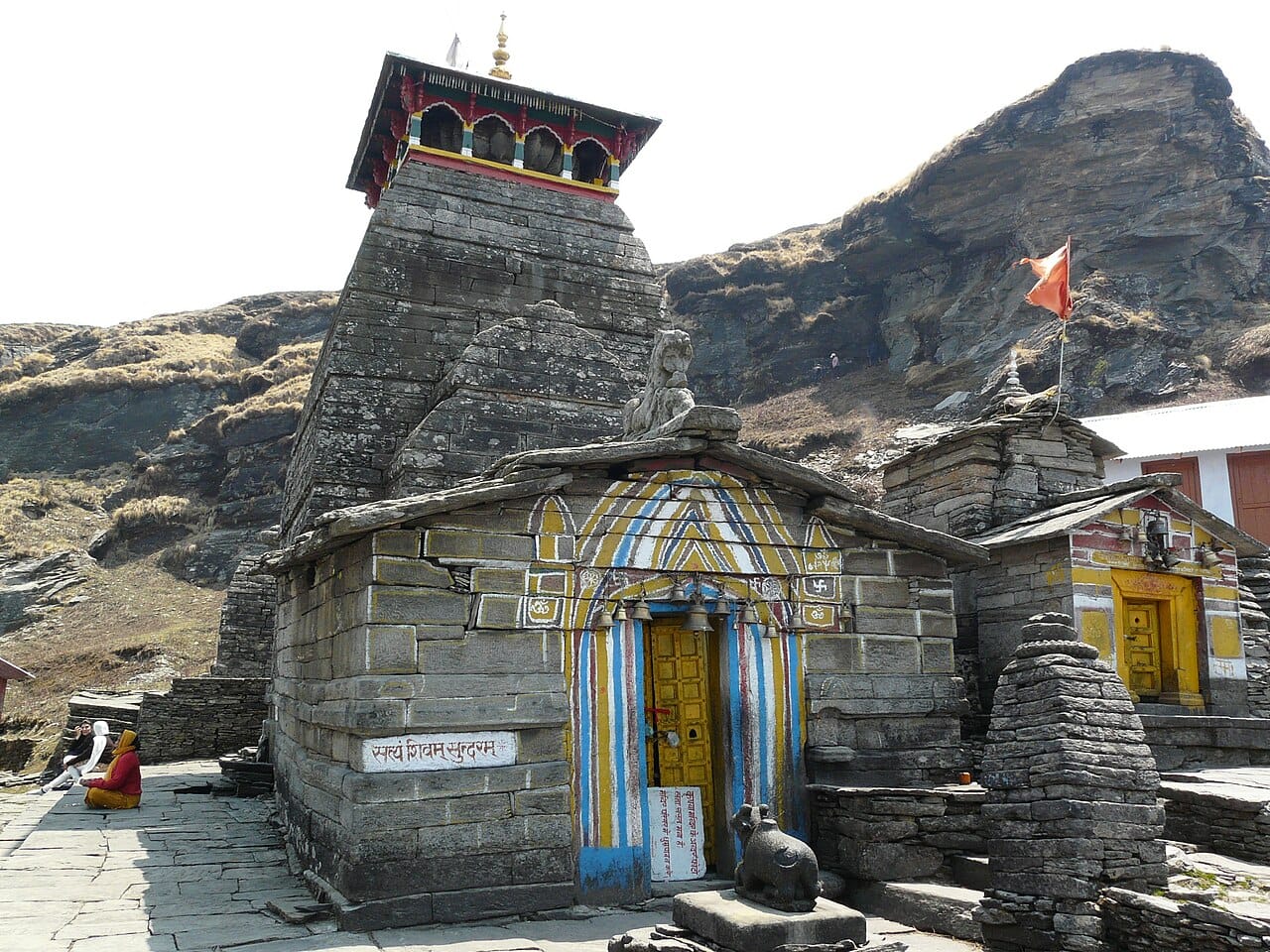
Uttarakhand
Tungnath Temple
The highest Shiva temple in the world, situated at 3,680 meters on the Chandranath Parbat; it is the 'Tritiya Kedar' in the sacred Panch Kedar pilgrimage circuit.
Explore Temple
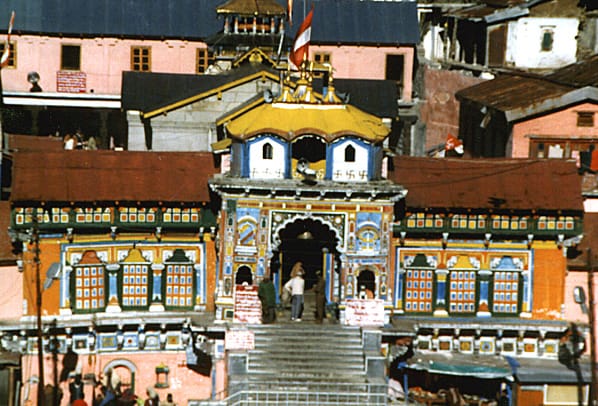
Uttarakhand
Adi Badri Uttarakhand
A complex of 16 ancient temples from the Gupta period; it is believed Vishnu resided here before moving to Badrinath.
Explore Temple
Uttarakhand
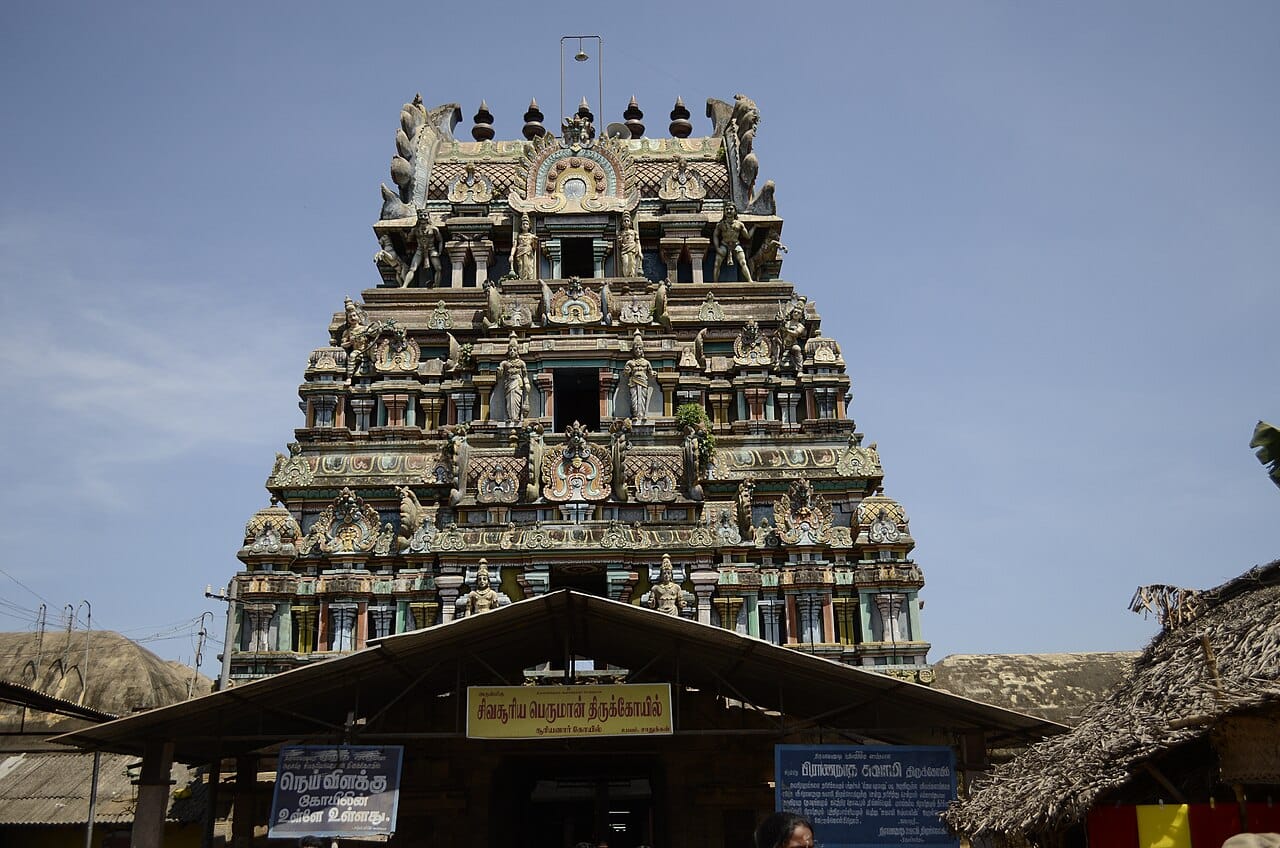
Katarmal Sun Temple
A 9th-century stone temple and one of northern India's primary Sun temples after Konark, featuring intricate carvings.
Explore Temple
Uttarakhand
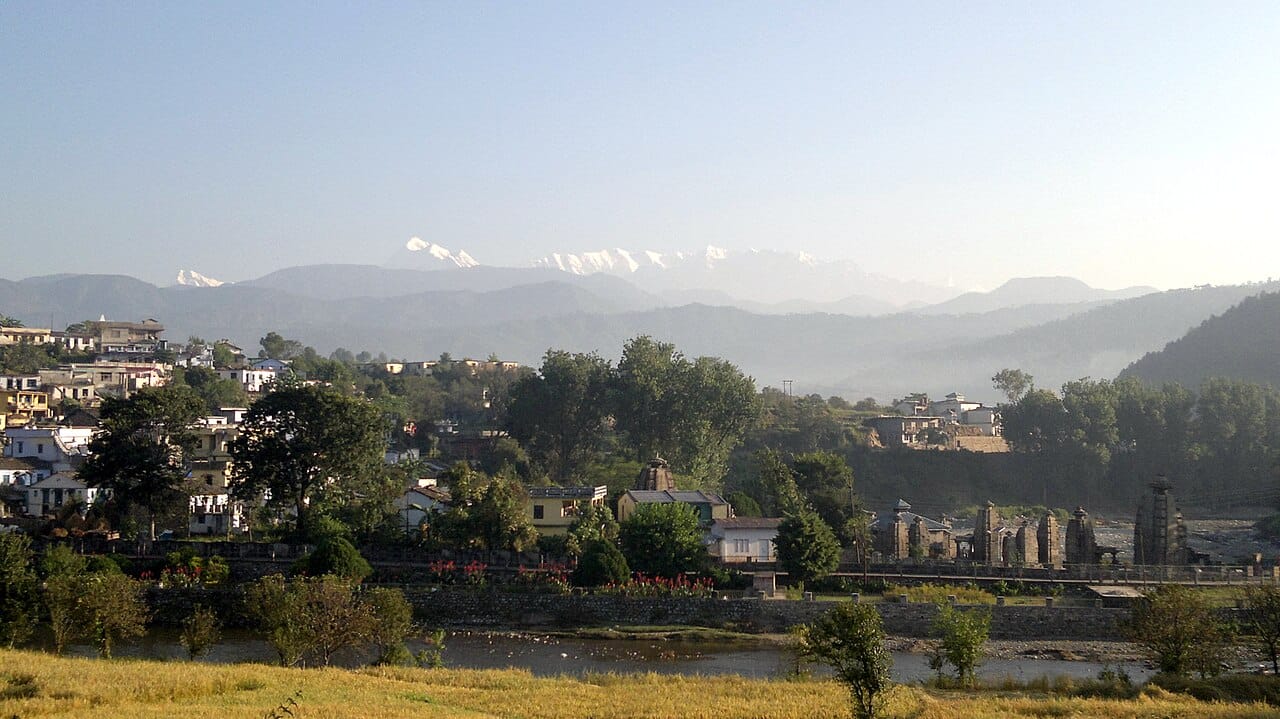
Baijnath Temple Uttarakhand
A 12th-century complex on the Gomti banks, famous for its life-sized black stone idol of Goddess Parvati.
Explore Temple
Uttarakhand
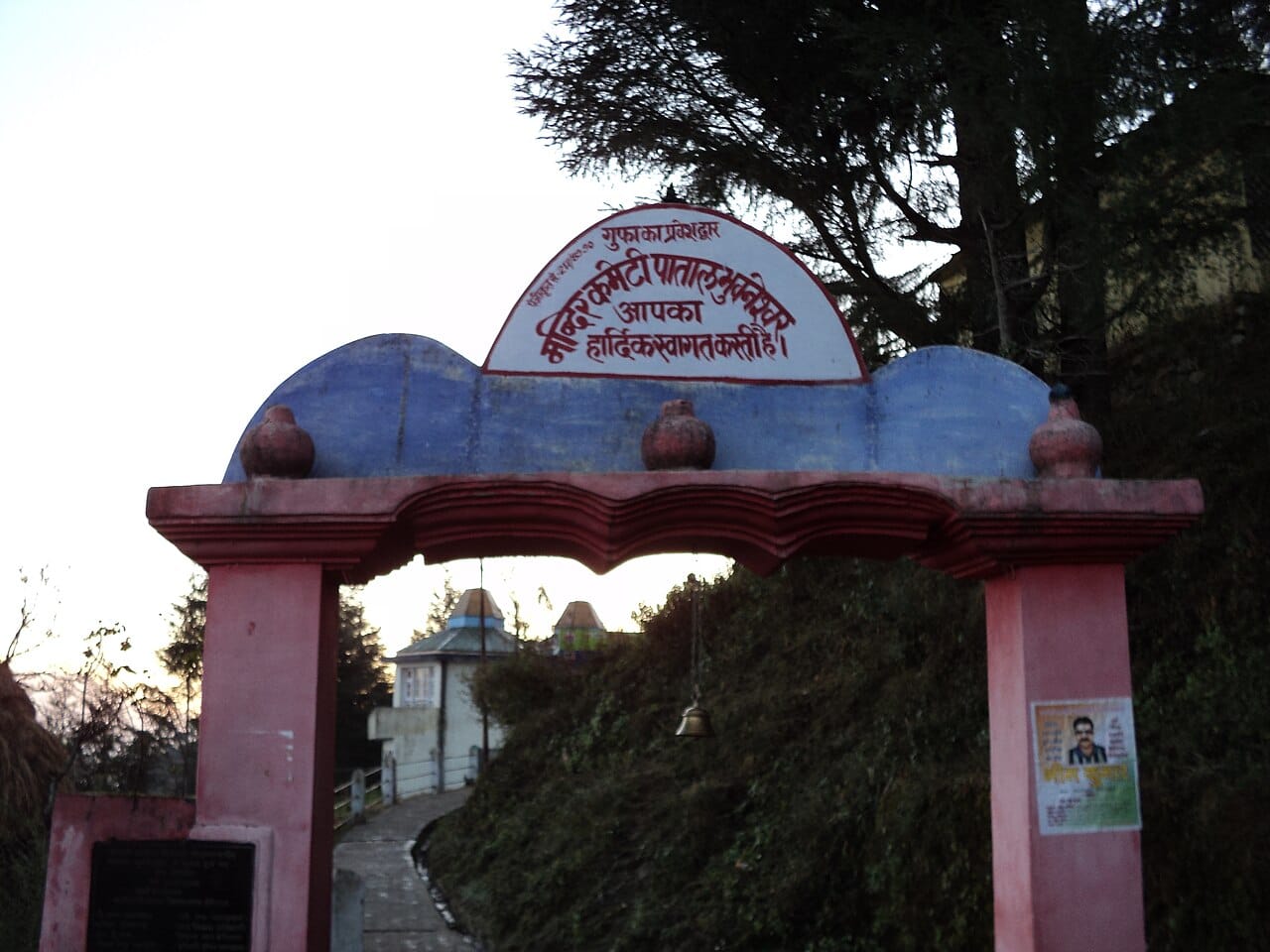
Patal Bhuvaneshwar Cave
An underground limestone cave temple where legend says the entire pantheon of Hindu gods reside in rock formations.
Explore Temple
Uttarakhand
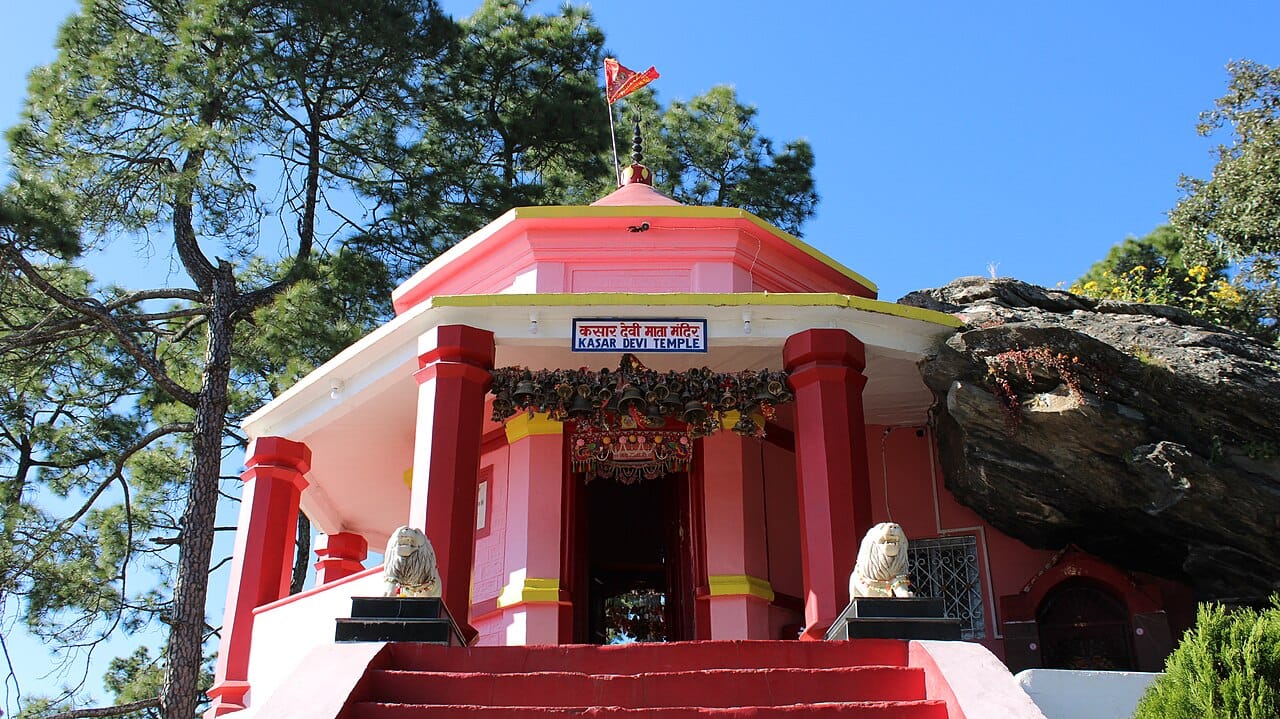
Kasar Devi Temple Almora
A hilltop Durga shrine about eight kilometres north of Almora, where Swami Vivekananda meditated in 1890 and where Crank's Ridge later drew Western seekers.
Explore Temple
Uttarakhand
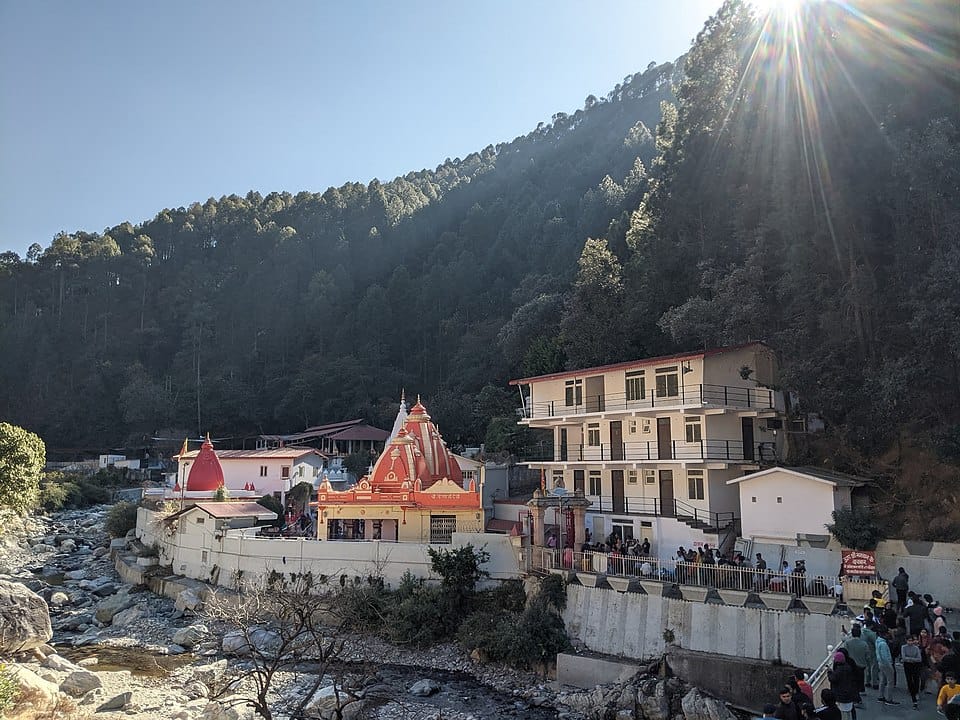
Neem Karoli Baba Ashram (Kainchi Dham)
The Himalayan ashram made famous worldwide by Steve Jobs, Mark Zuckerberg, and countless spiritual seekers, known for its powerful Hanuman temple and Neem Karoli Baba's teachings.
Explore Temple
Uttarakhand
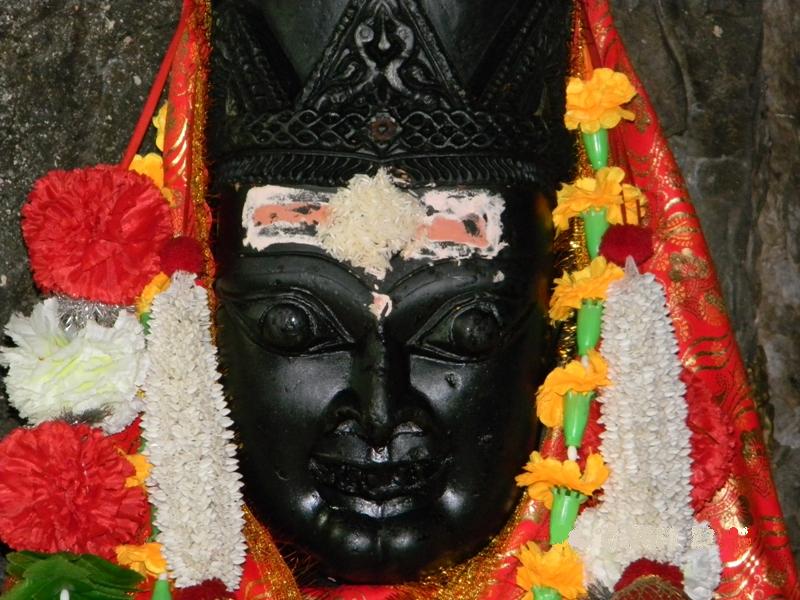
Dhari Devi Temple
A sacred Shakti temple on the banks of the Alaknanda River, considered the guardian deity of the Char Dham Yatra and famous for the idol that changes color three times…
Explore Temple
Uttarakhand
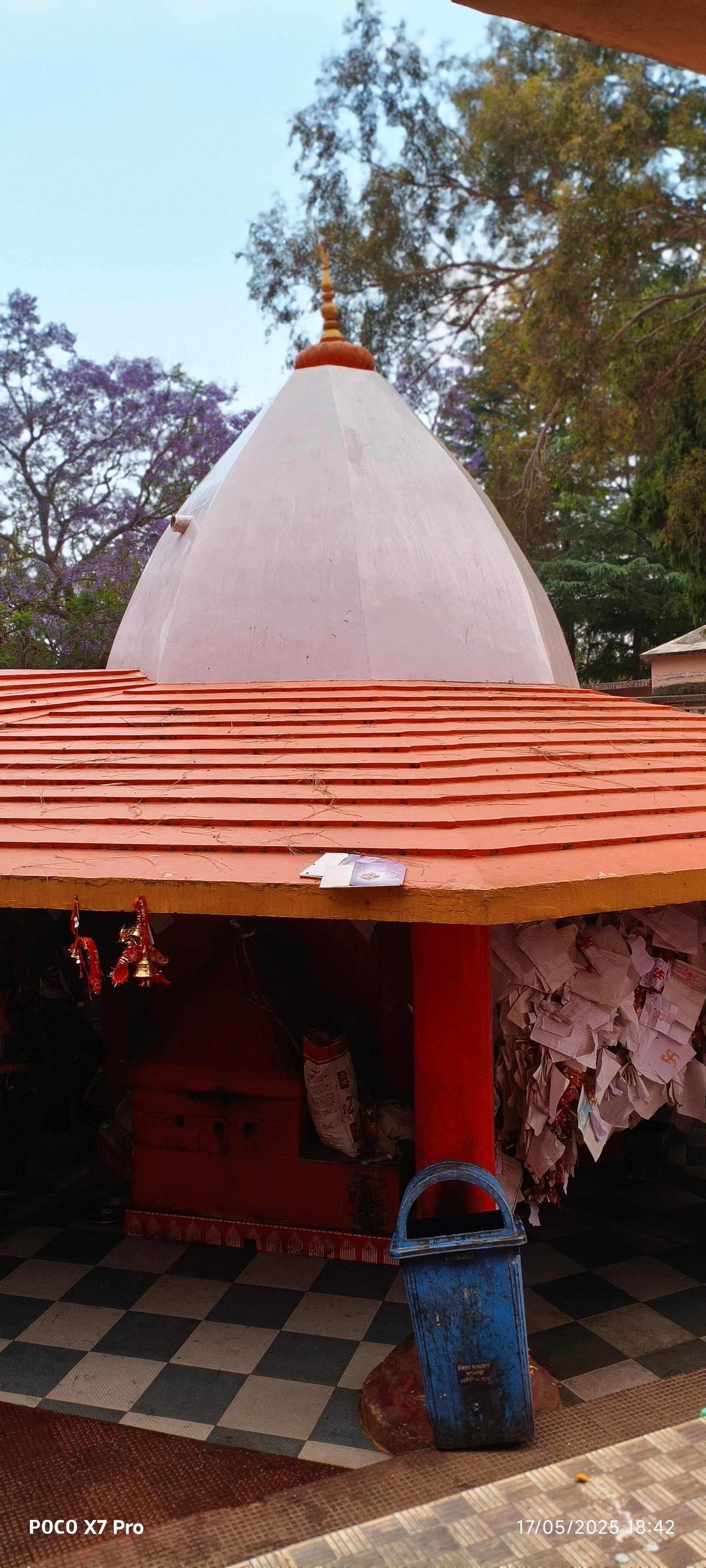
Chitai Golu Devta Temple
The most famous temple of Kumaon's beloved God of Justice, known for thousands of bells hung by devotees and the unique tradition of filing written petitions to the deity.
Explore Temple
Uttarakhand
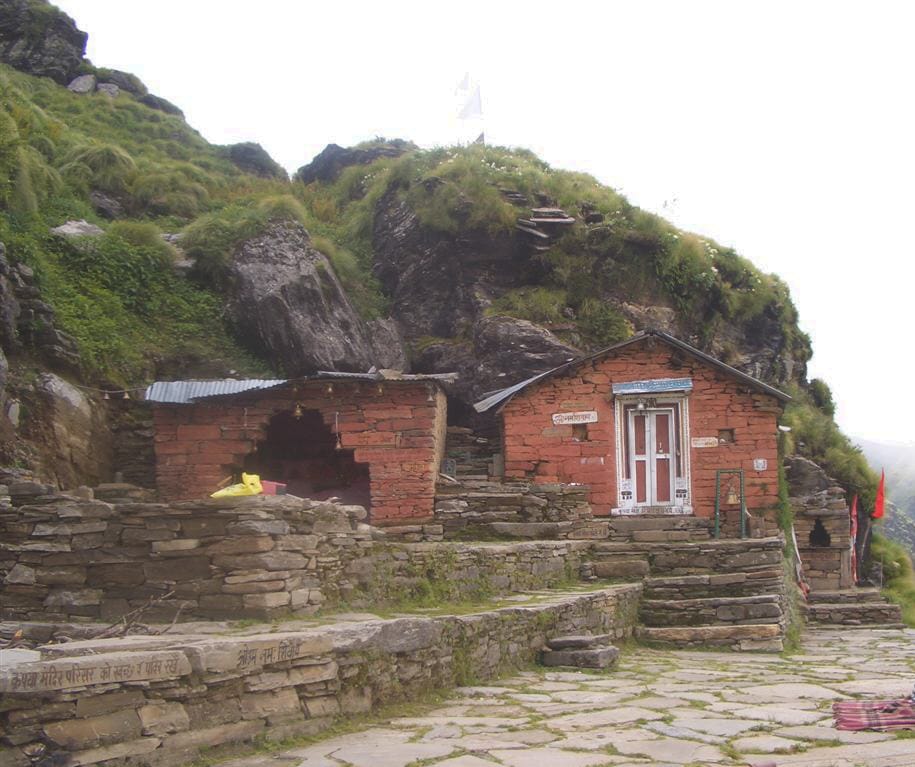
Rudranath Temple
One of the Panch Kedar shrines, representing Lord Shiva's face, situated at an altitude of 2,286 meters amidst meadows and rhododendron forests.
Explore Temple
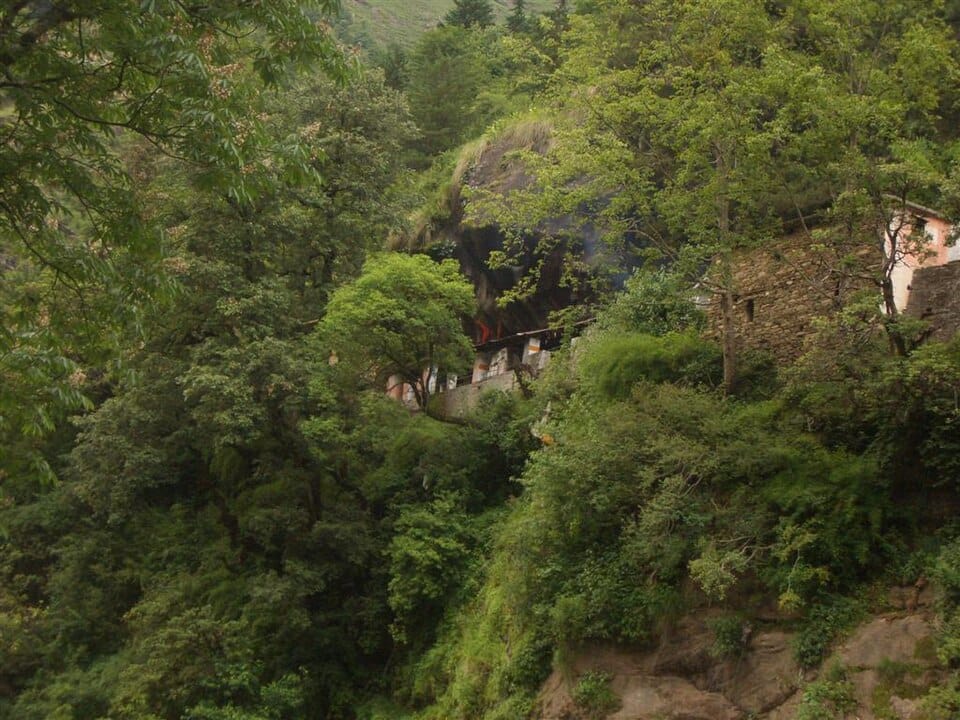
Uttarakhand
Kalpeshwar Temple
The only Panch Kedar temple accessible year-round, housed in a natural cave and featuring a unique four-faced Shiva linga representing the god's hair.
Explore Temple
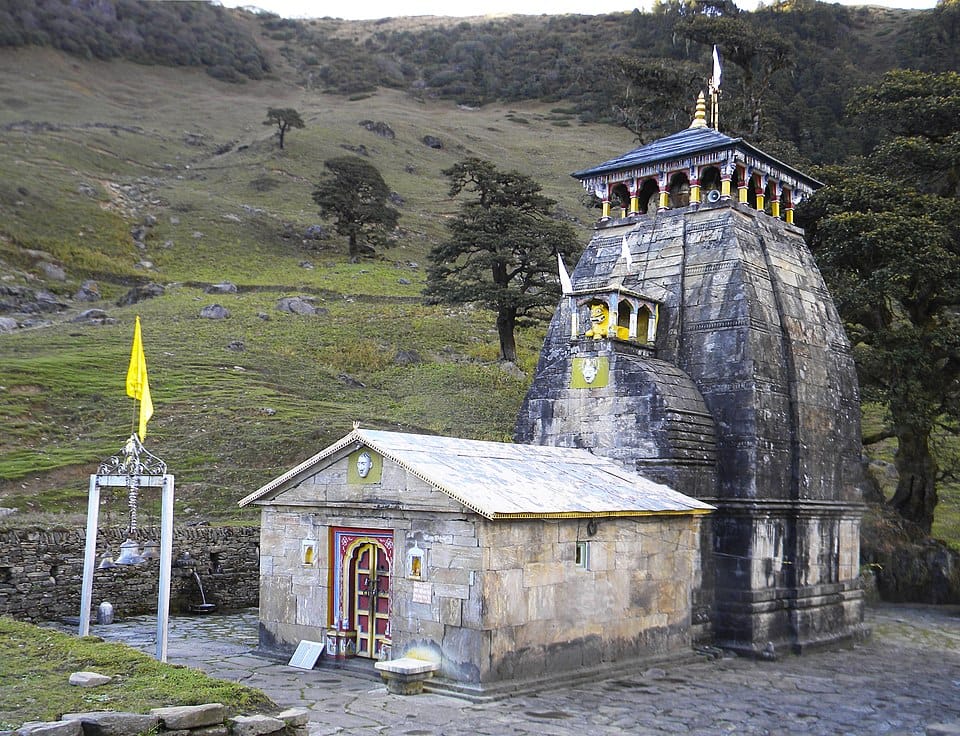
Uttarakhand
Madhyamaheshwar Temple
One of the Panch Kedar shrines, representing Shiva's navel, set at 3,497 meters beneath the majestic Chaukhamba peak in the Garhwal Himalayas.
Explore Temple
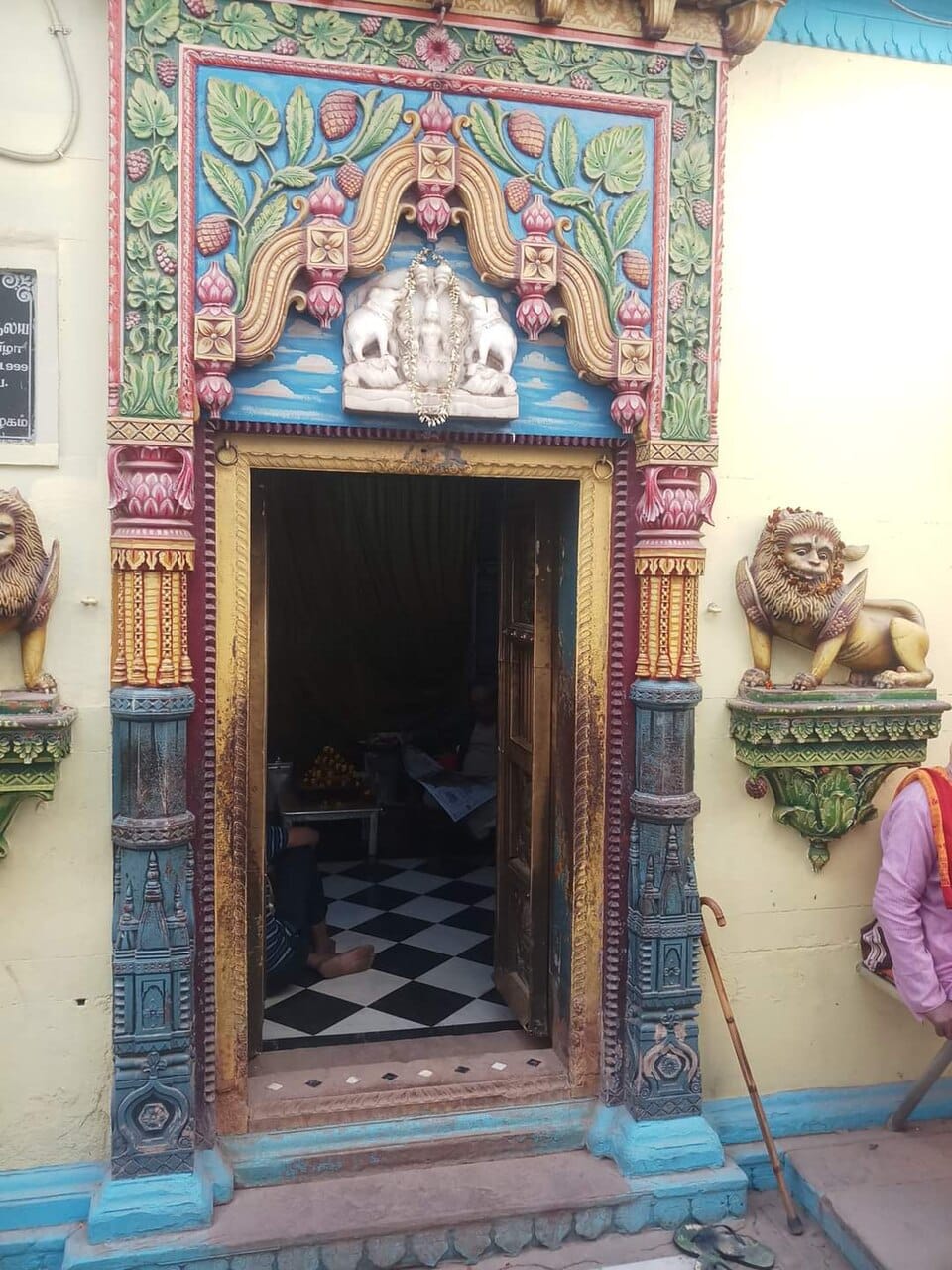
Uttar Pradesh
Vishalakshi Temple
The Vishalakshi Temple, located in the narrow lanes of Mir Ghat near the Ganges in Varanasi, is one of the 51 Shakti Peethas where the earrings of Goddess Sati are…
Explore Temple
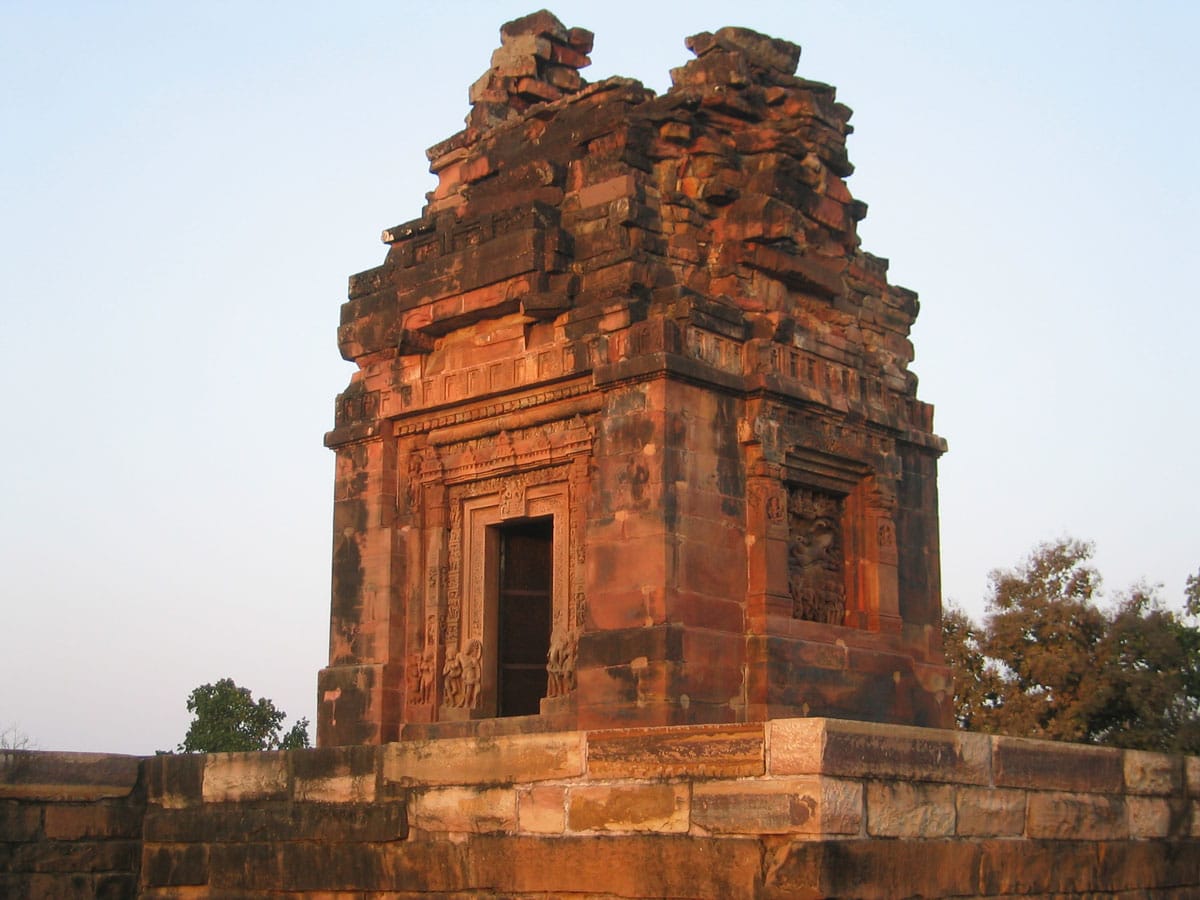
Uttar Pradesh
Dashavatara Temple
Dating to around 500 CE, this is the earliest known North Indian temple with a shikhara (curvilinear tower).
Explore Temple
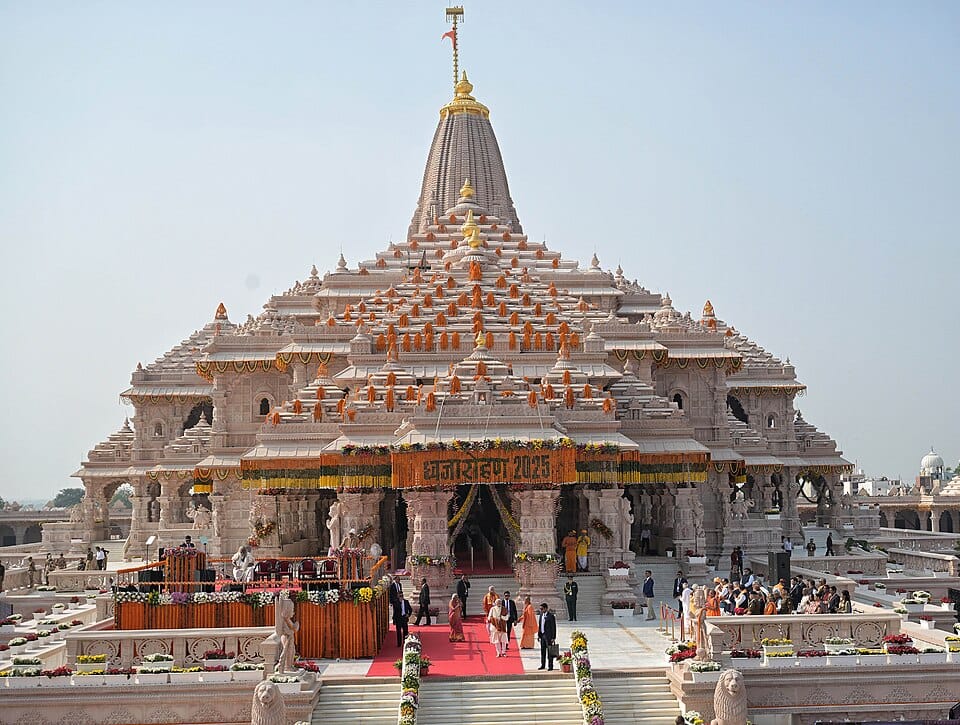
Uttar Pradesh
Shri Ram Janmabhoomi Mandir
A grand and historic temple marking the birthplace of Lord Rama, the seventh avatar of Vishnu, representing the pinnacle of Nagara architecture.
Explore Temple
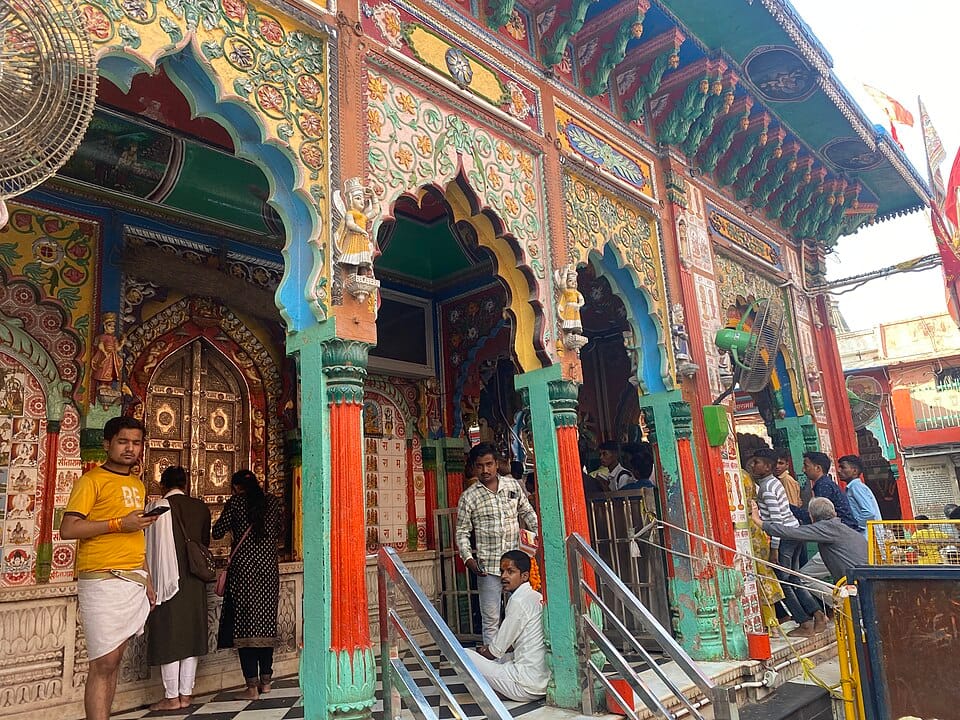
Uttar Pradesh
Hanuman Garhi
A hilltop temple dedicated to Lord Hanuman, the guardian deity of Ayodhya, reached by climbing 76 sacred steps.
Explore Temple
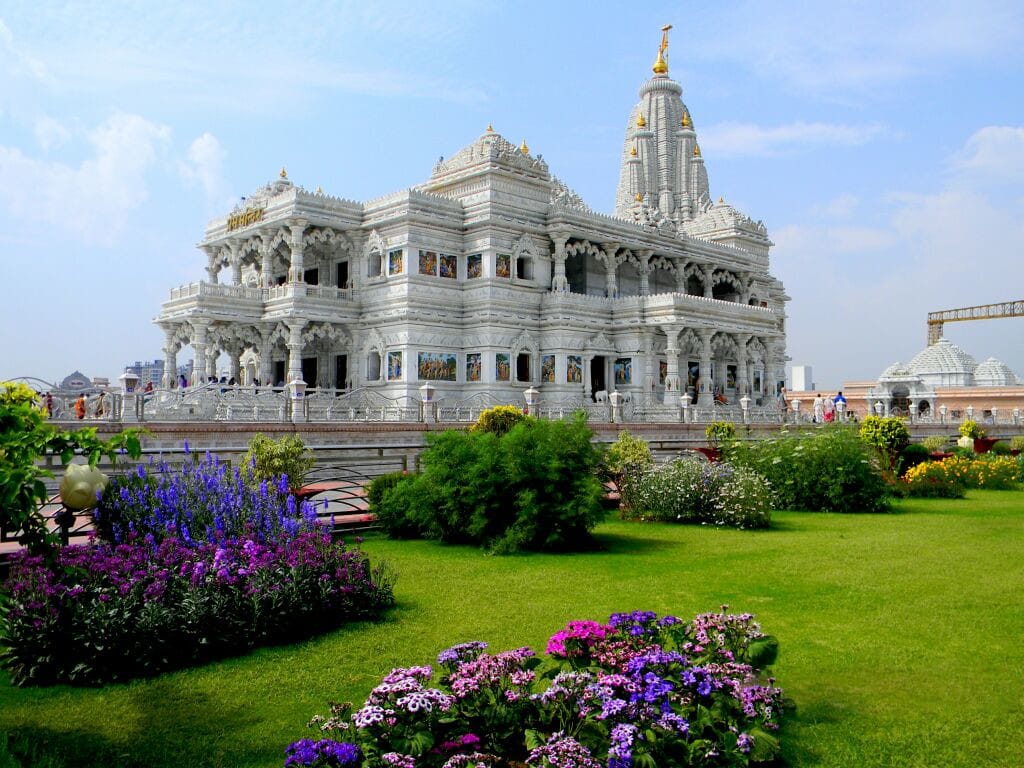
Uttar Pradesh
Prem Mandir
A stunning modern white-marbled complex in Vrindavan dedicated to Divine Love, known for its life-like tableaus of Krishna's pastimes.
Explore Temple
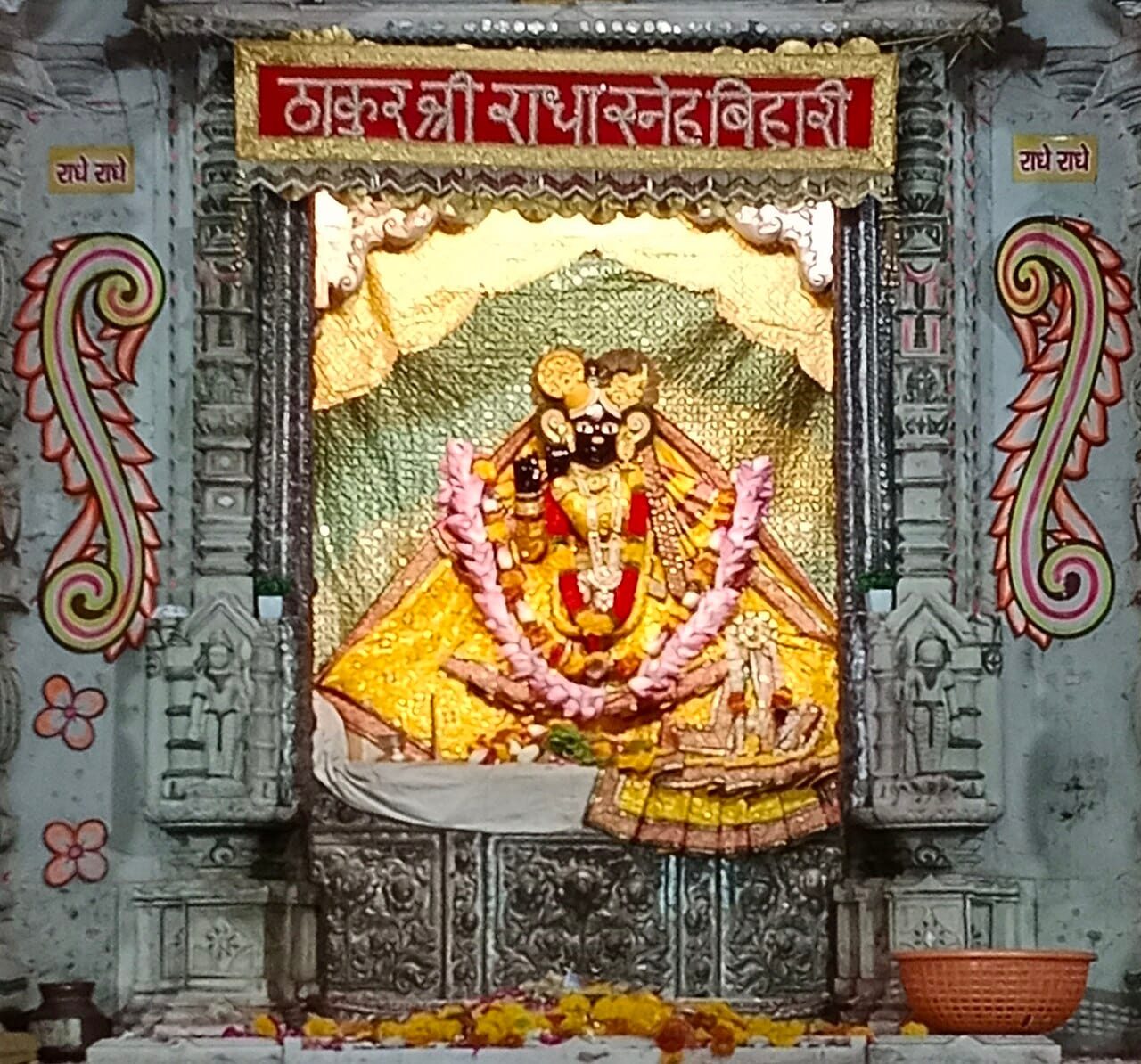
Uttar Pradesh
Banke Bihari Temple
Among the most famous Krishna temples in India, where the deity is worshipped as a child and curtains are drawn frequently.
Explore Temple
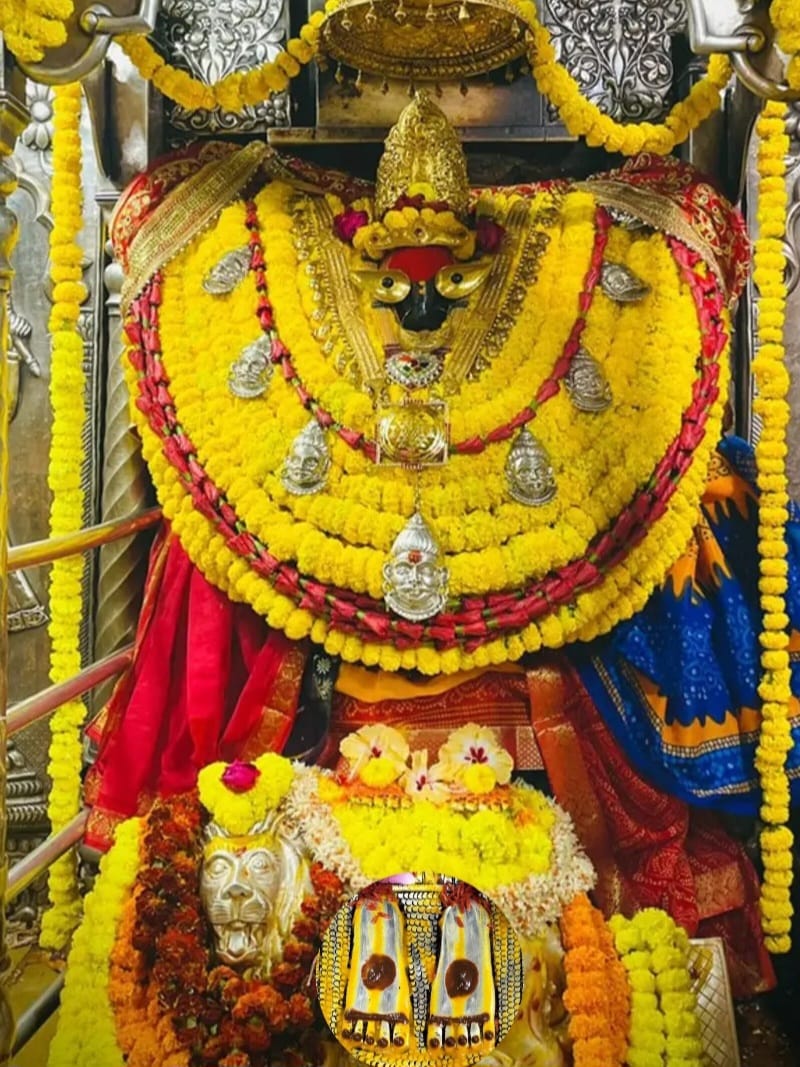
Uttar Pradesh
Vindhyavasini Devi Temple
One of India's most visited Shakti Peethas, where Goddess Durga is believed to have resided after slaying Mahishasura.
Explore Temple
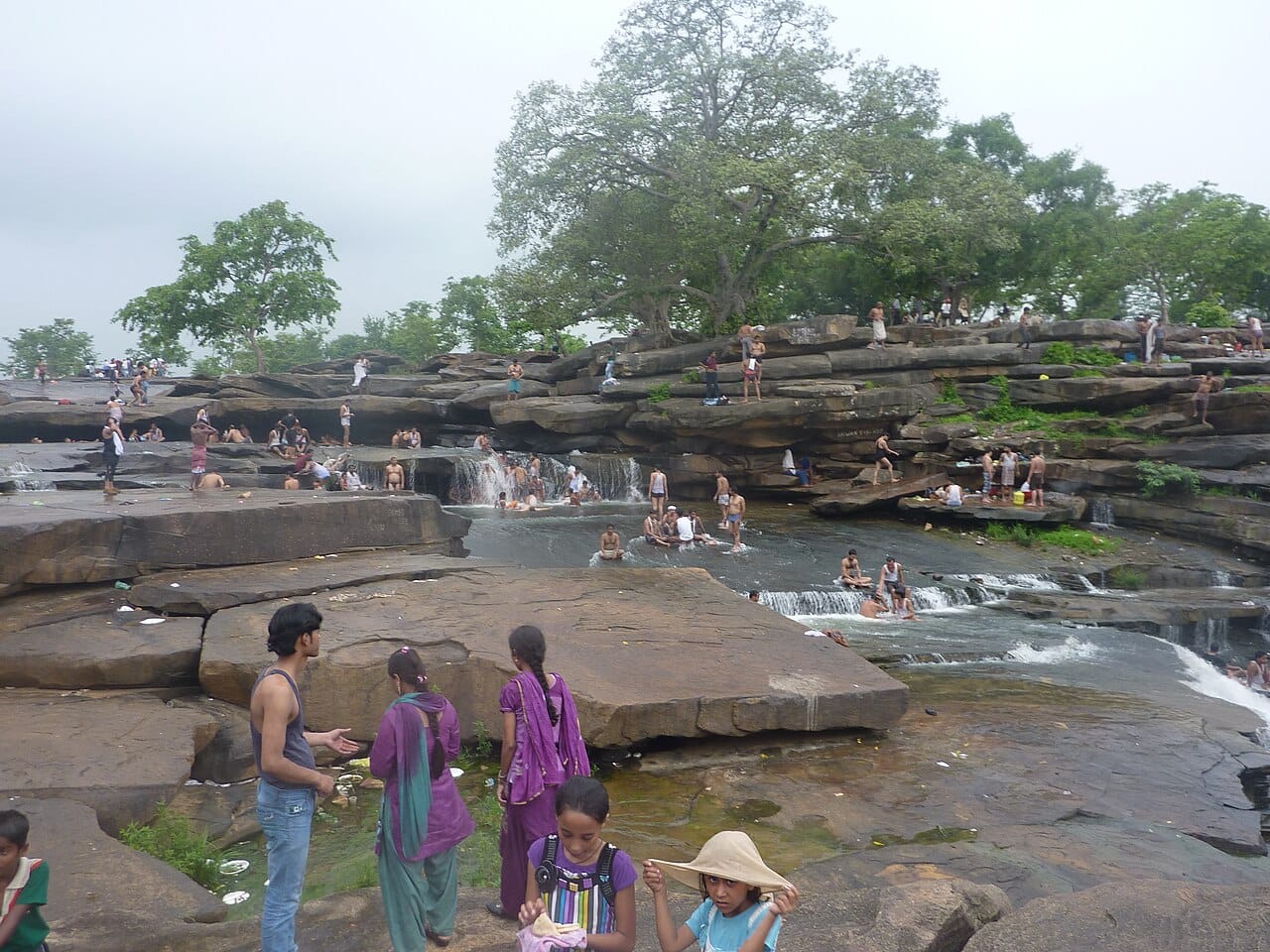
Uttar Pradesh
Devipatan Shakti Peeth
Legend says the right shoulder of Sati fell here; it serves as the headquarters of the Nath sect in eastern Uttar Pradesh.
Explore Temple
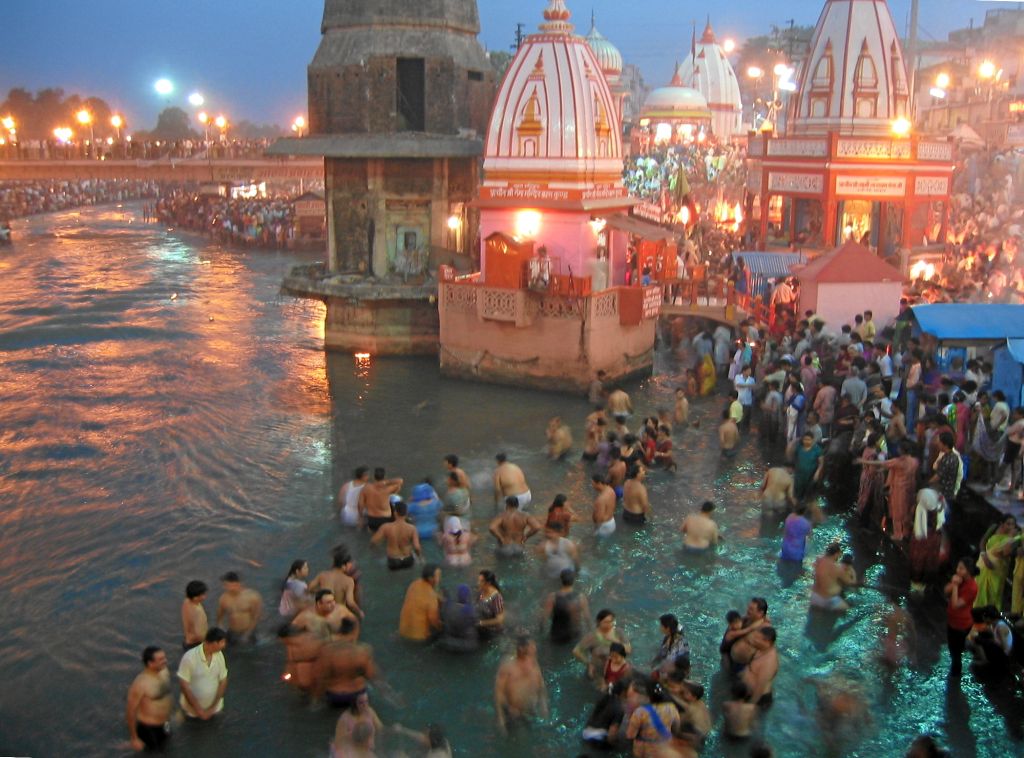
Uttar Pradesh
Lalita Devi Temple Naimisharanya
Located in the ancient forest of Naimisharanya, it is mentioned in Puranas as the spot where the universe's first Chakra fell.
Explore Temple
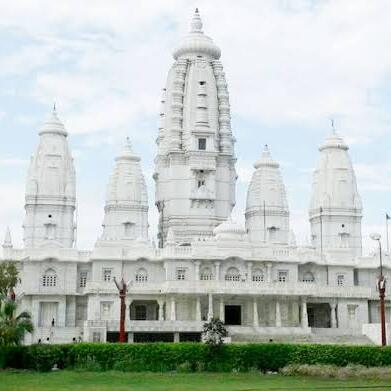
Uttar Pradesh
Bhitargaon Temple Kanpur
The oldest remaining terracotta/brick temple in India, dating to the 6th-century Gupta era, a masterpiece of early architecture.
Explore Temple
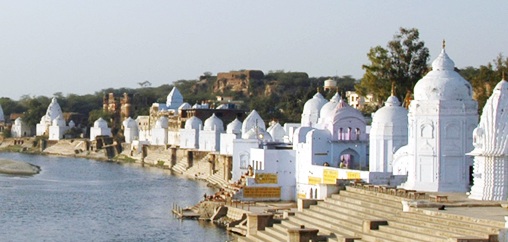
Uttar Pradesh
Bateshwar Temples Agra
A complex of 101 Shiva temples built on the banks of Yamuna, representing a significant pilgrimage and architectural site.
Explore Temple
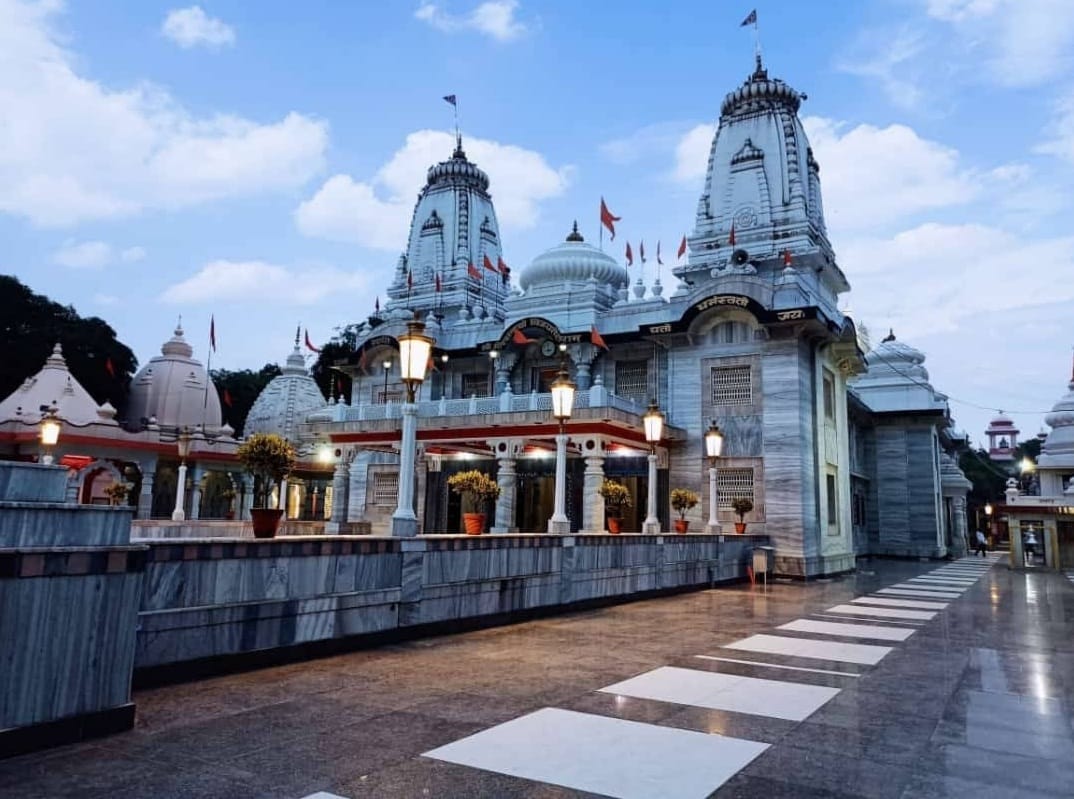
Uttar Pradesh
Gorakhnath Temple Gorakhpur
The spiritual headquarters of the Nath monastic order and a grand center for Yoga, carrying a millennium of spiritual power and social service.
Explore Temple
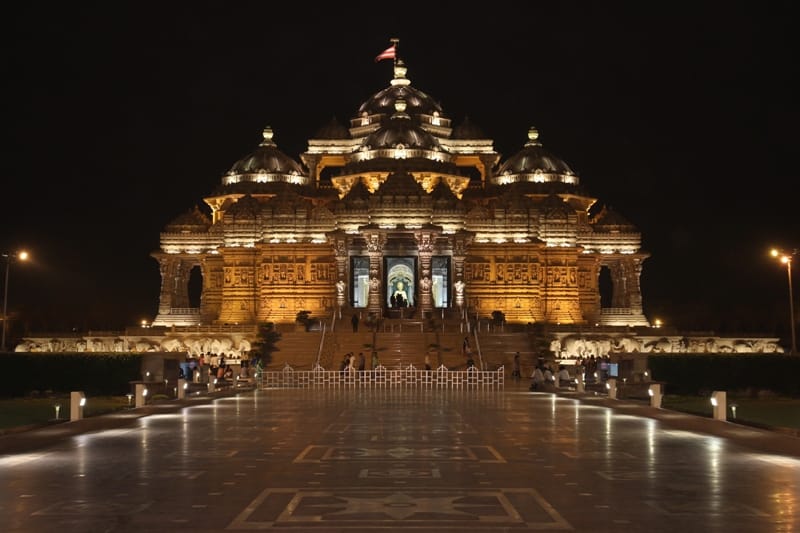
Delhi
Akshardham Temple
A massive Hindu temple complex displaying millennia of traditional Indian and Hindu culture, spirituality, and architecture.
Explore Temple
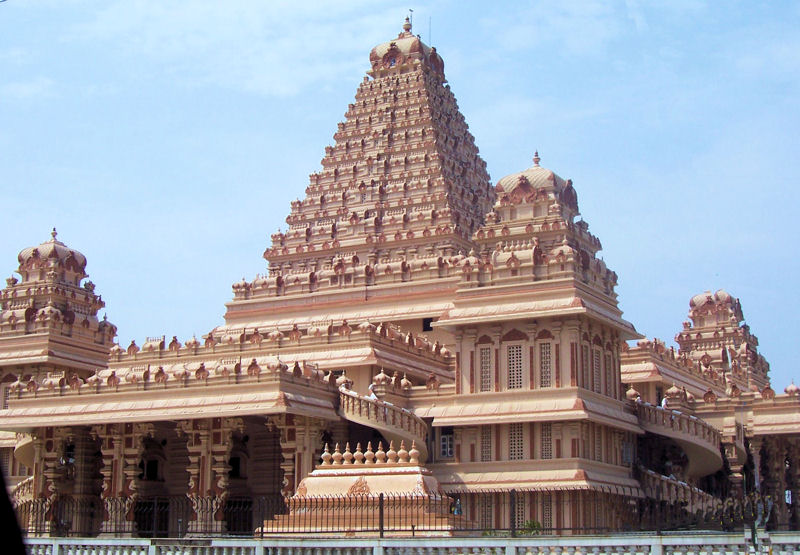
Delhi
Chhatarpur Temple
A massive marble temple complex dedicated to Goddess Katyayani, featuring both North and South Indian architectural styles.
Explore Temple
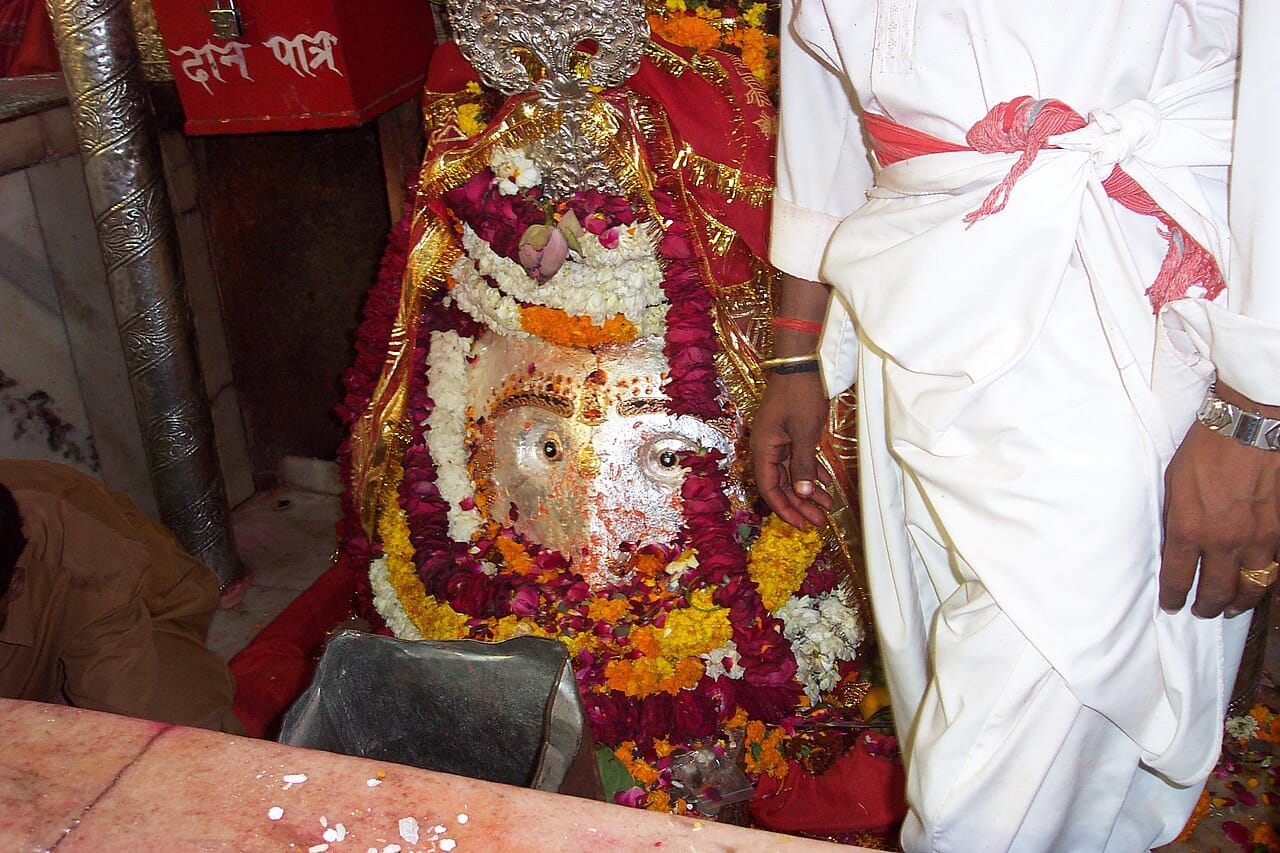
Delhi
Kalkaji Temple
An ancient temple dedicated to Kalka Devi, believed to date back to the Satya Yuga, and highly crowded during Navratri.
Explore Temple
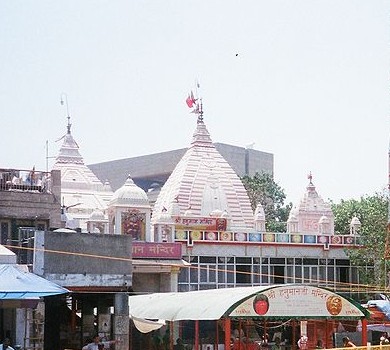
Delhi
Hanuman Mandir Connaught Place
One of the five ancient temples from the Mahabharata era in Delhi, famous for its continuous 24-hour chanting since 1964.
Explore Temple
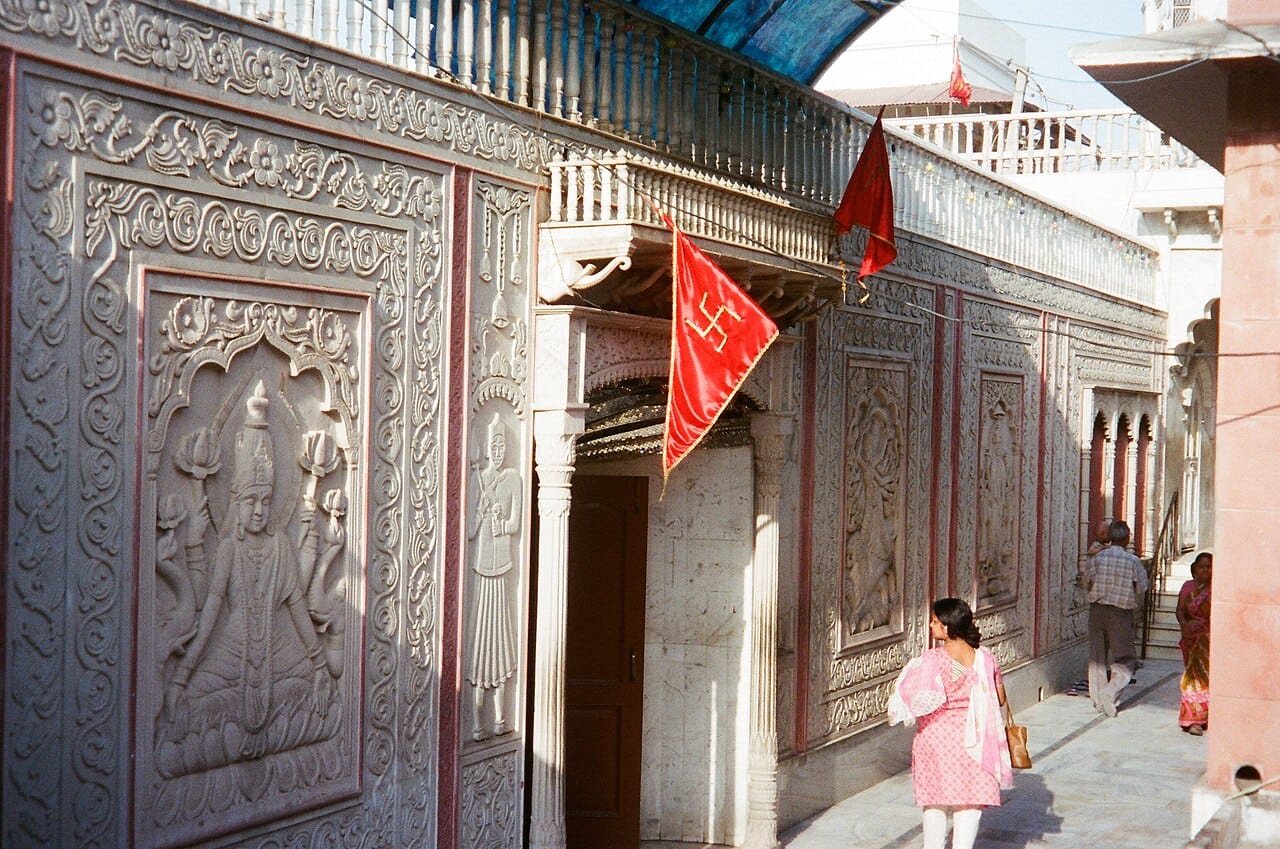
Delhi
Yogmaya Temple Mehrauli
One of Delhi's few surviving ancient temples, believed to be built by the Pandavas and a symbol of communal harmony.
Explore Temple
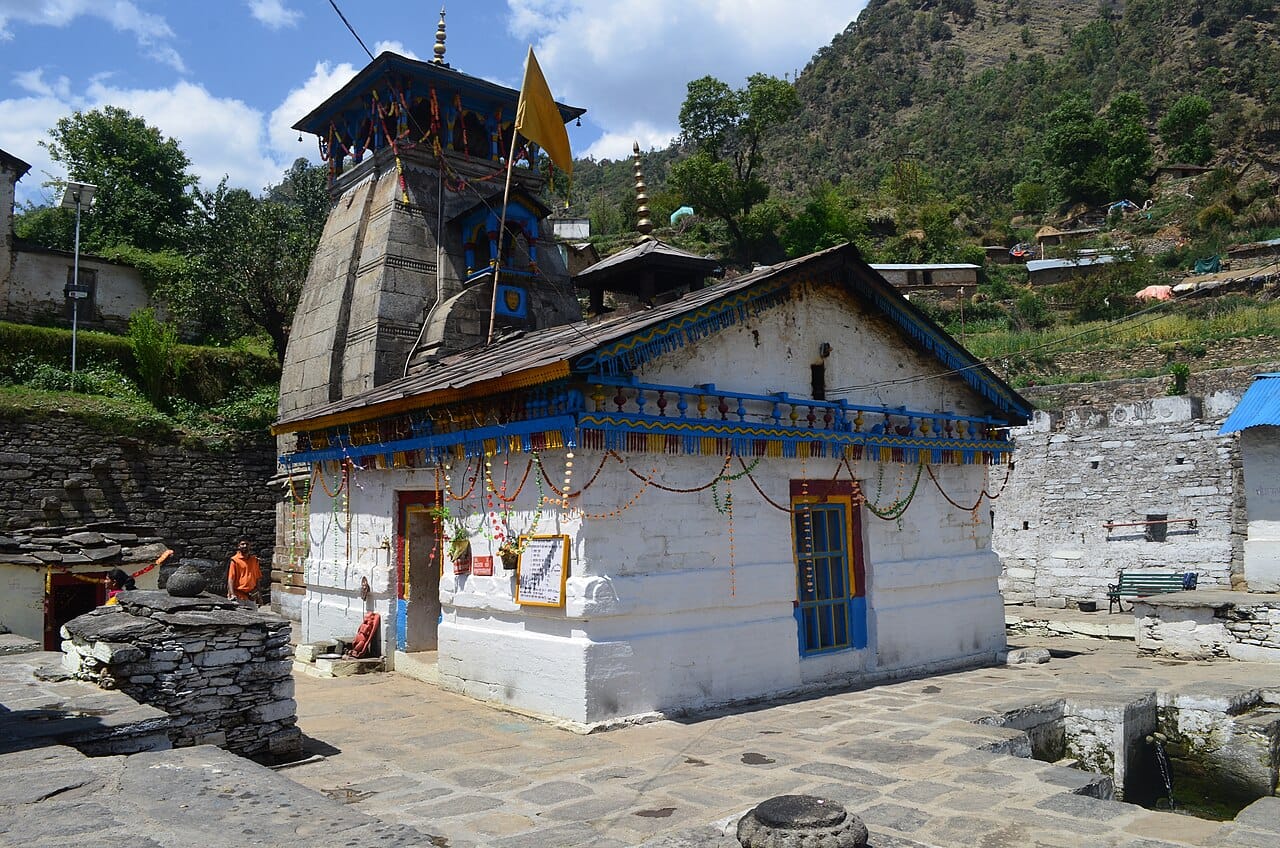
Delhi
Gauri Shankar Temple Delhi
Historic 18th-century Shaivite temple in Chandni Chowk founded by Maratha soldier Appa Gangadhar, enshrining a venerated brown stone lingam traditionally believed to be centuries older.
Explore Temple
Delhi
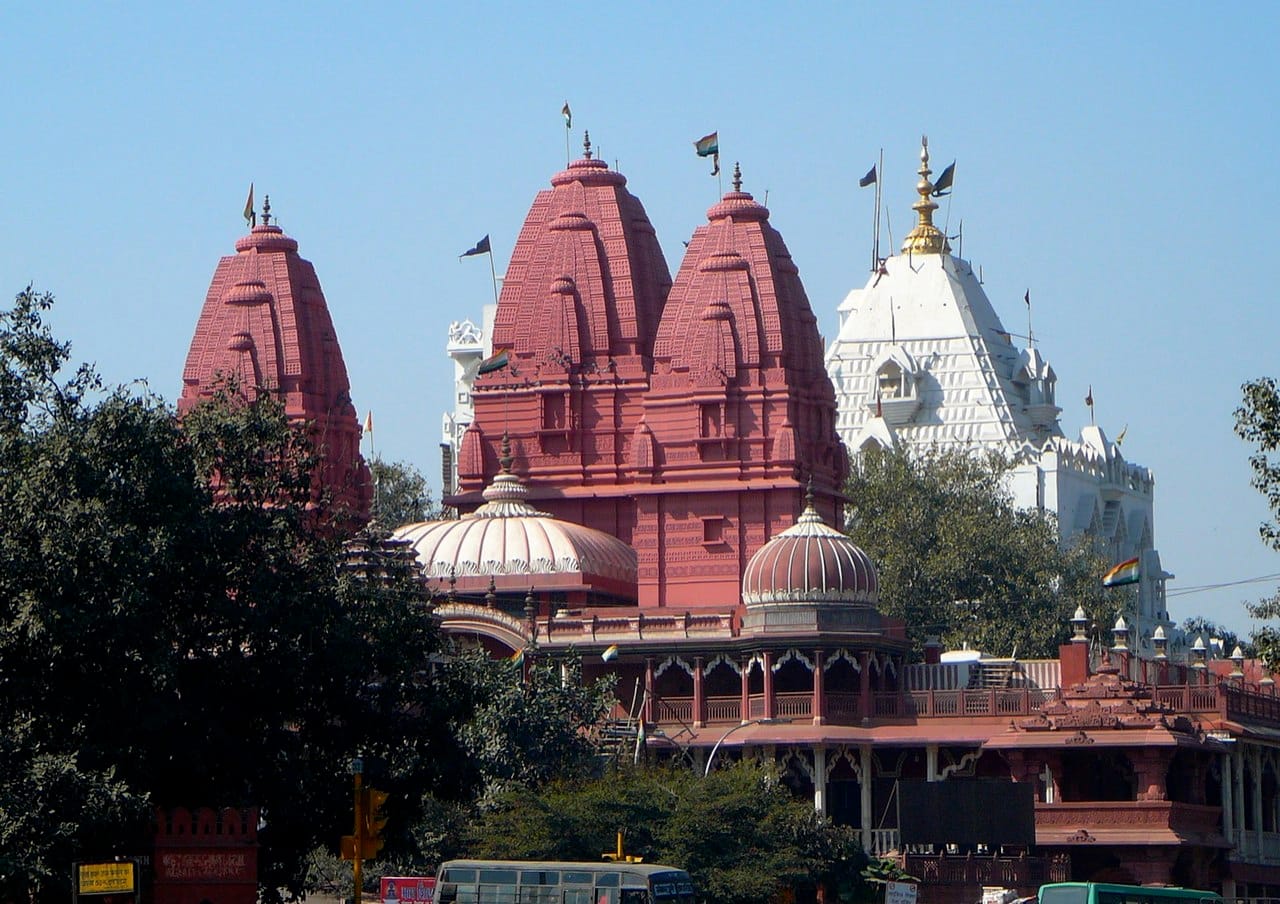
Shri Digambar Jain Lal Mandir
The oldest Jain temple in Delhi, built in 1656 and famous for its vibrant red architecture and Charity Birds Hospital.
Explore Temple
Delhi
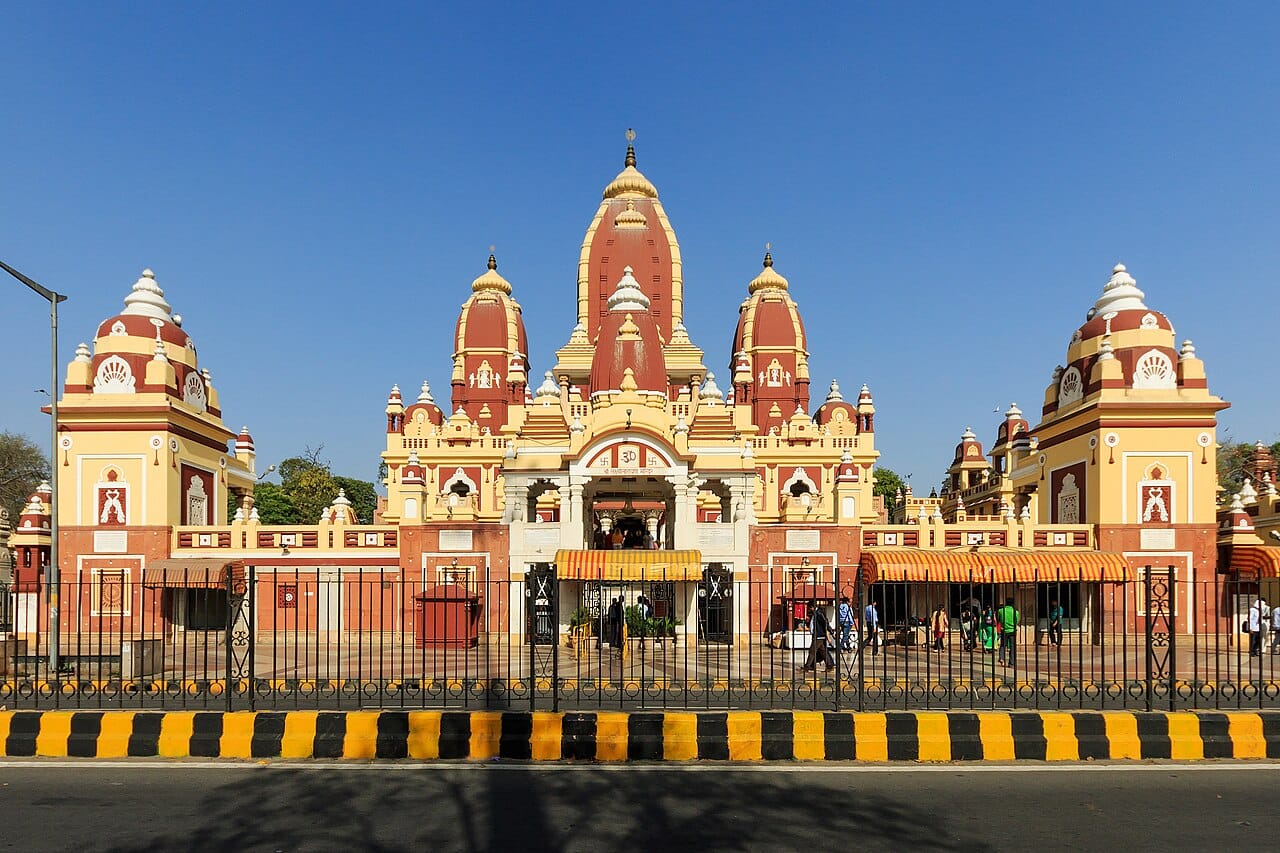
Birla Mandir (Laxmi Narayan Temple)
Inaugurated by Mahatma Gandhi in 1939, this masterpiece of Nagara style was one of India's first temples open to all castes.
Explore Temple
Delhi
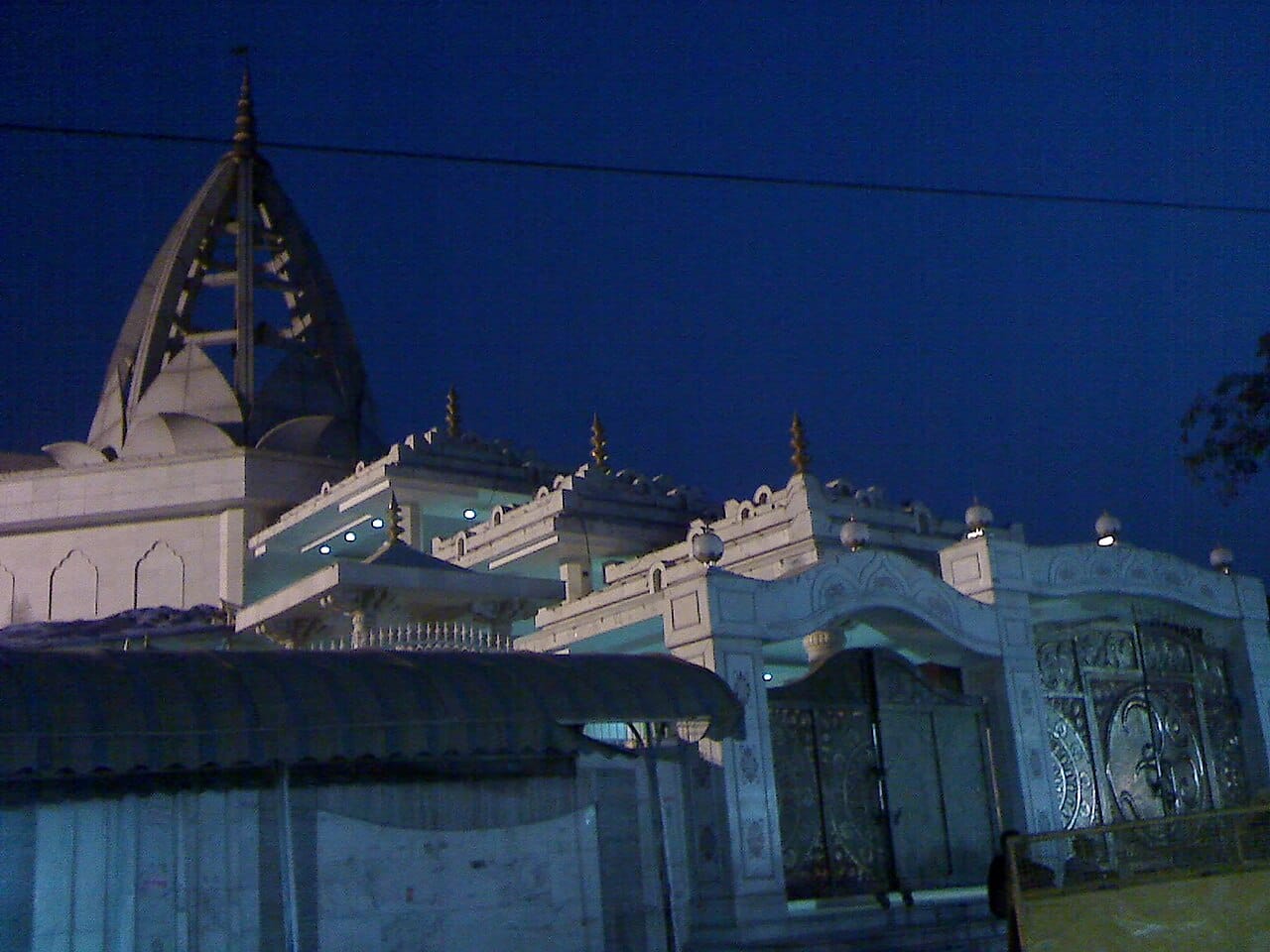
Jhandewalan Devi Mandir
One of Delhi's oldest and most revered Shakti shrines, named after the ritual flags (Jhandas) offered by its many devotees.
Explore Temple
Delhi
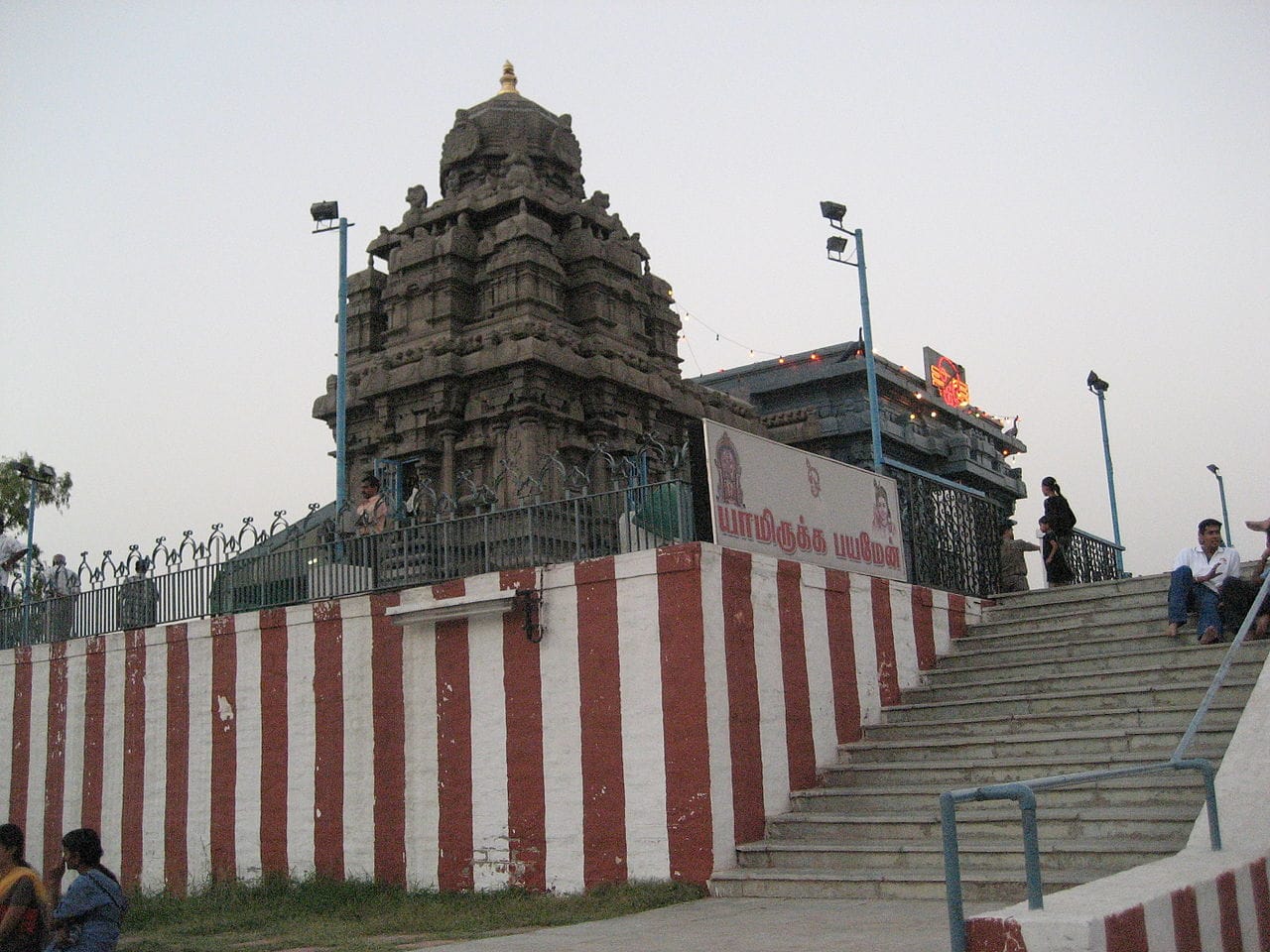
Uttara Swami Malai Mandir
Perched on a hillock, this granite temple is a primary site for Delhi's South Indian community, dedicated to Lord Swaminatha.
Explore Temple
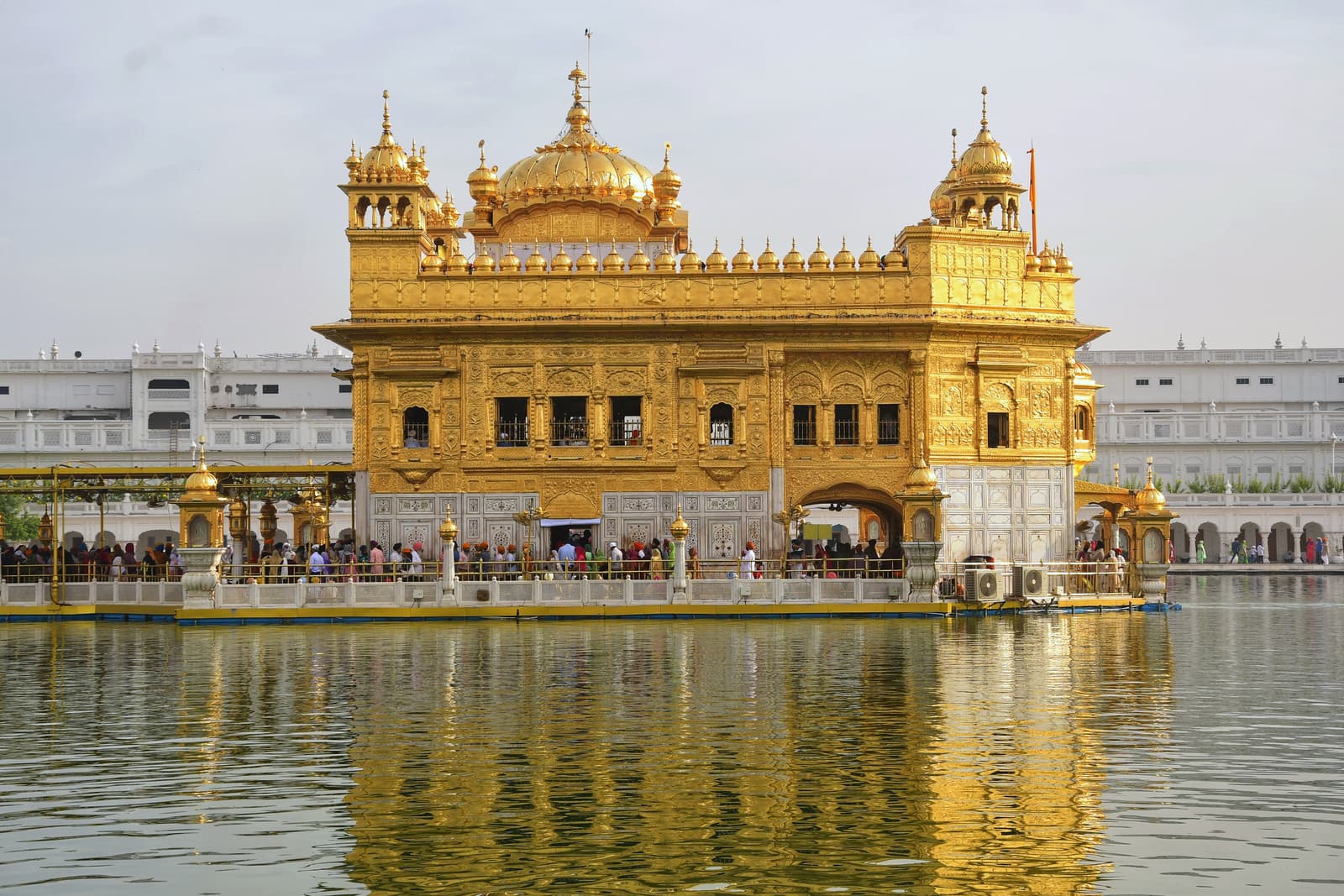
Punjab
Golden Temple
Also known as Sri Harmandir Sahib, the holiest Gurdwara and the most significant spiritual site of Sikhism, embodying the principles of universal brotherhood and equality.
Explore Temple
Uttarakhand
Kedarnath Temple
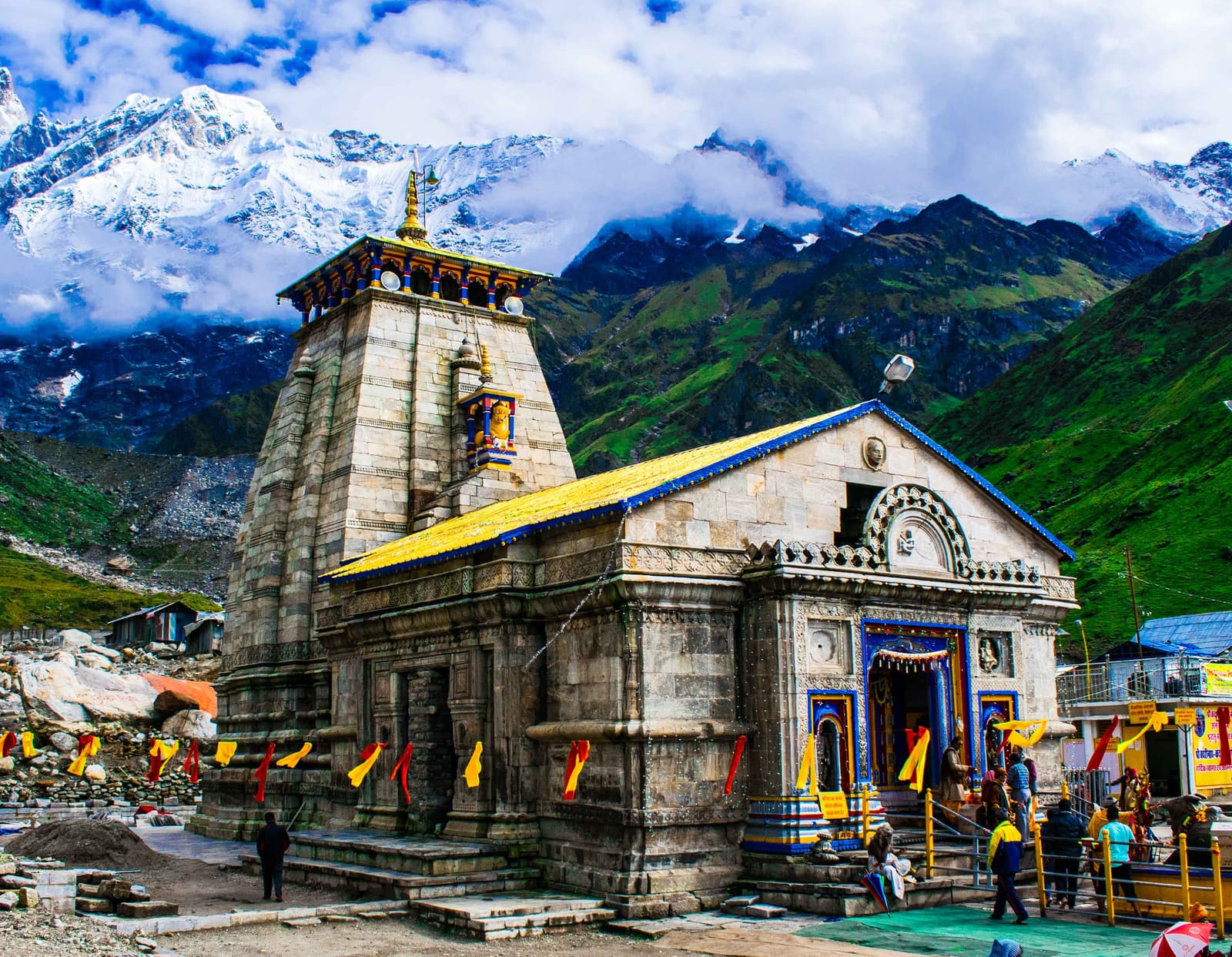
Kedarnath Temple — one of 12 Jyotirlingas, part of Char Dham and Panch Kedar. Verified visitor guide for pilgrims and international travellers at 3,583 m.
Explore Temple
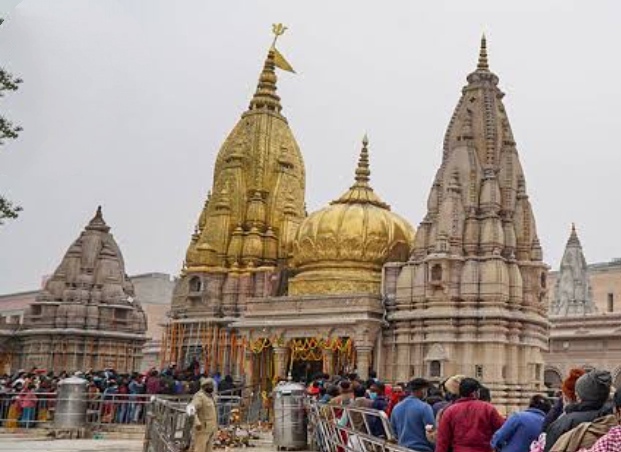
Uttar Pradesh
Kashi Vishwanath Temple
Kashi Vishwanath Temple in Varanasi, one of the twelve Jyotirlingas and the most sacred Shiva temple in Hinduism, stands on the western bank of the holy Ganga.
Explore Temple
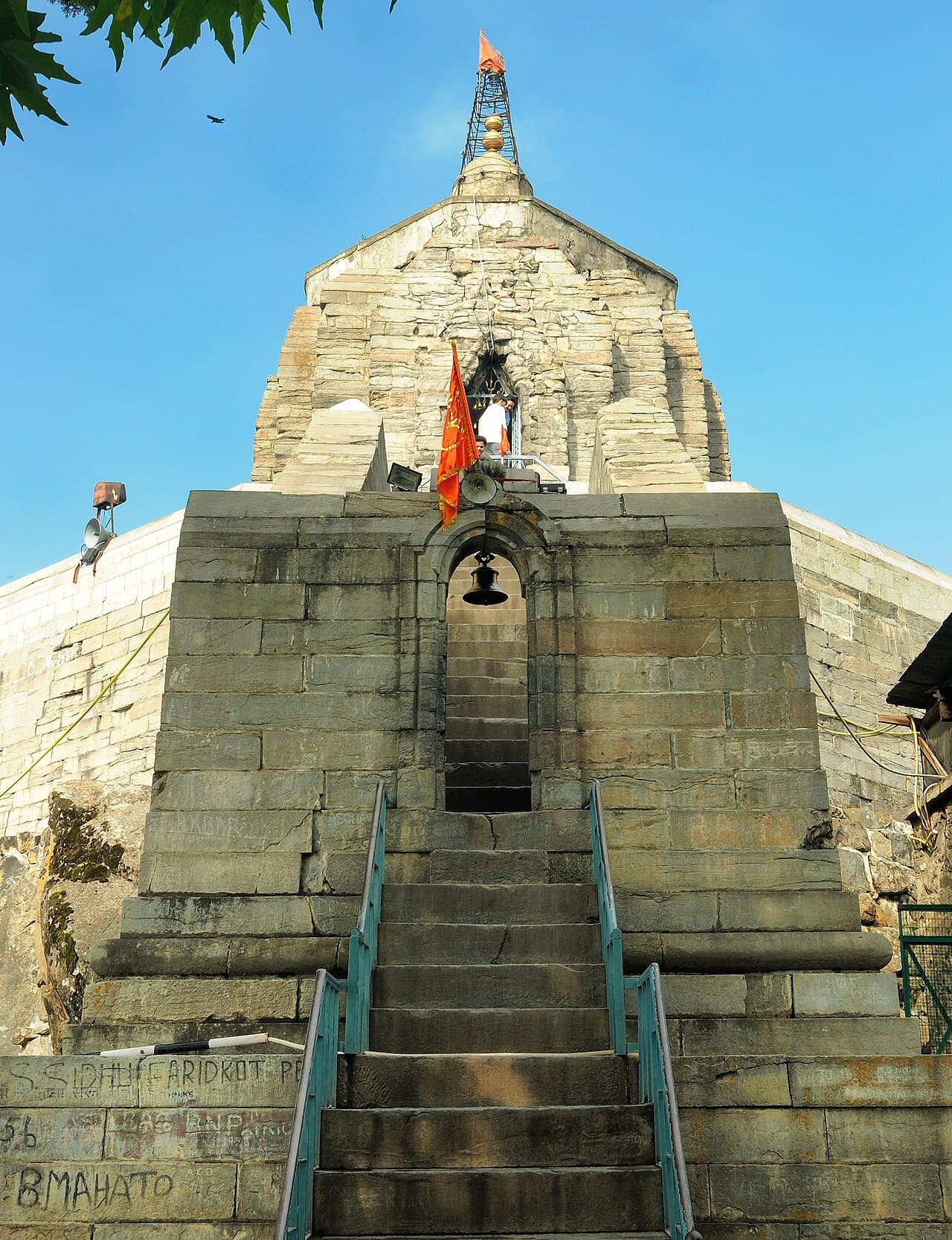
Jammu & Kashmir
Shankaracharya Temple
Perched on a hilltop at 1,000 feet, this ancient Shiva temple offers panoramic views of the Dal Lake and Srinagar city.
Explore Temple
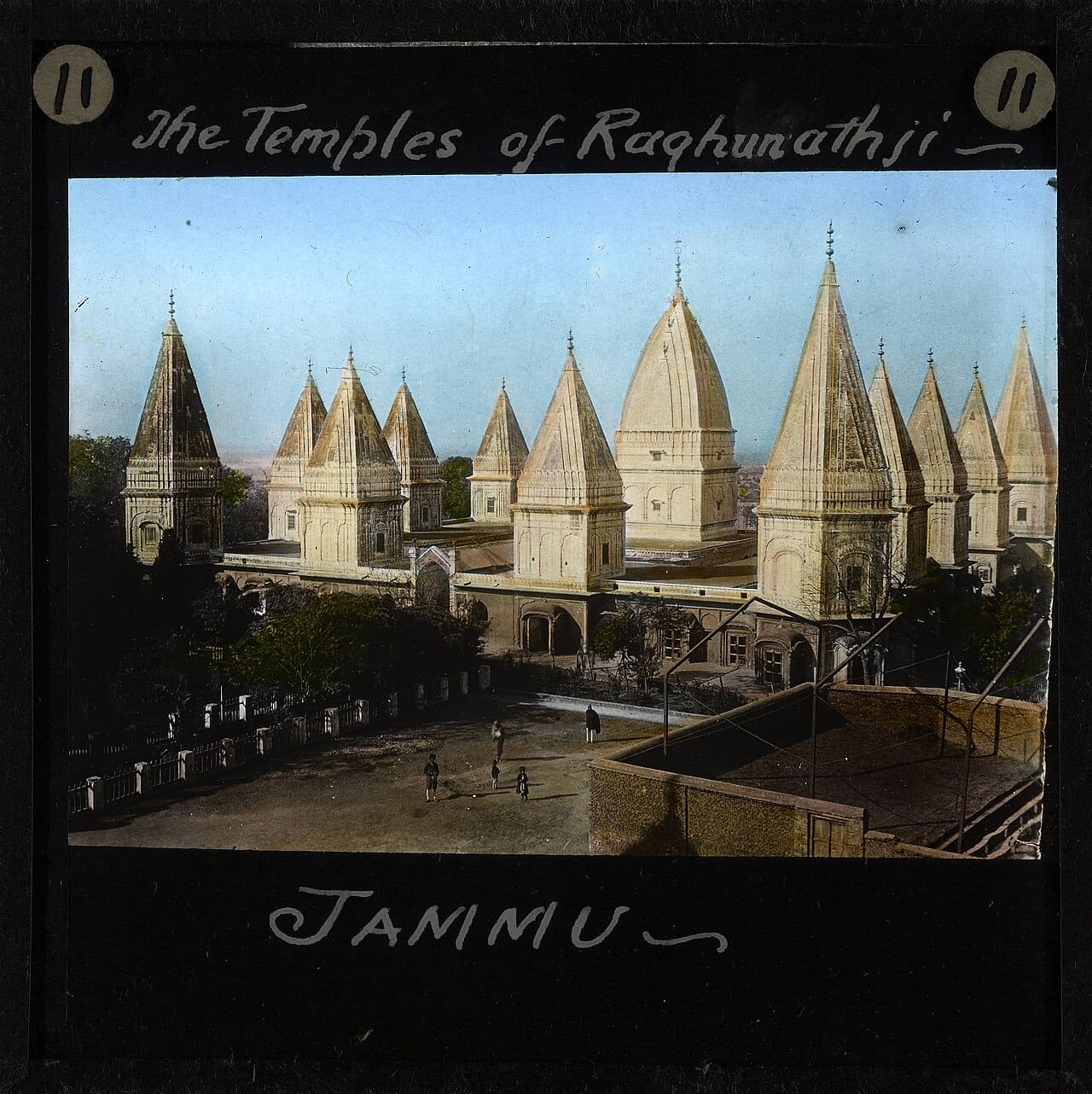
Jammu & Kashmir
Raghunath Temple
One of the largest temple complexes in North India, featuring seven gold-plated shikharas and thousands of Saligramas.
Explore Temple
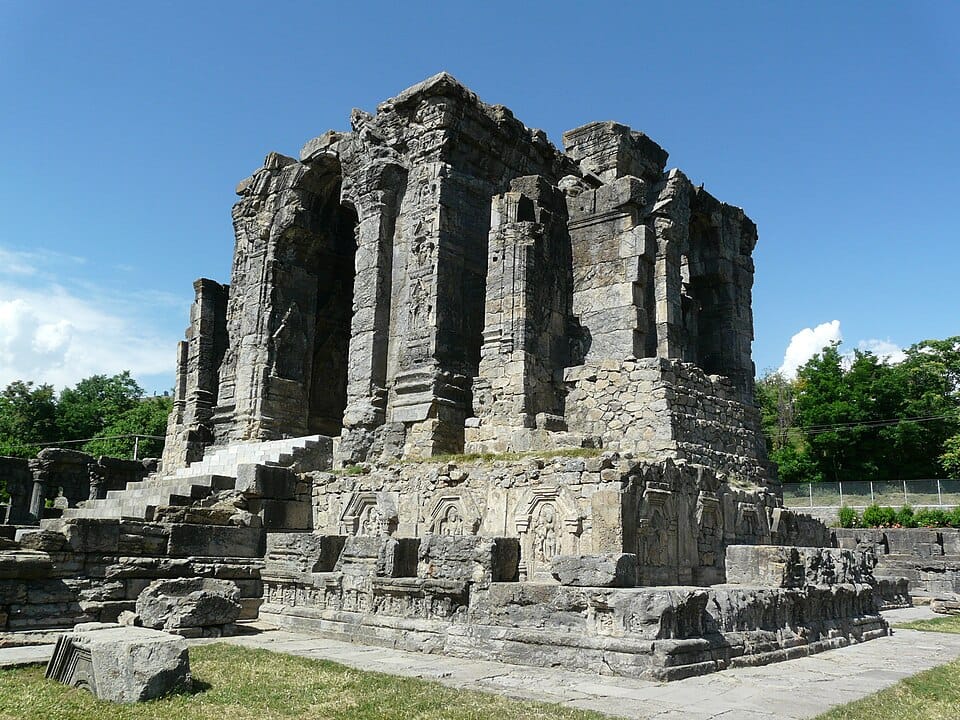
Jammu & Kashmir
Martand Sun Temple
A magnificent 8th-century ruin of a solar temple, representing the peak of Kashmiri Hindu architecture.
Explore Temple
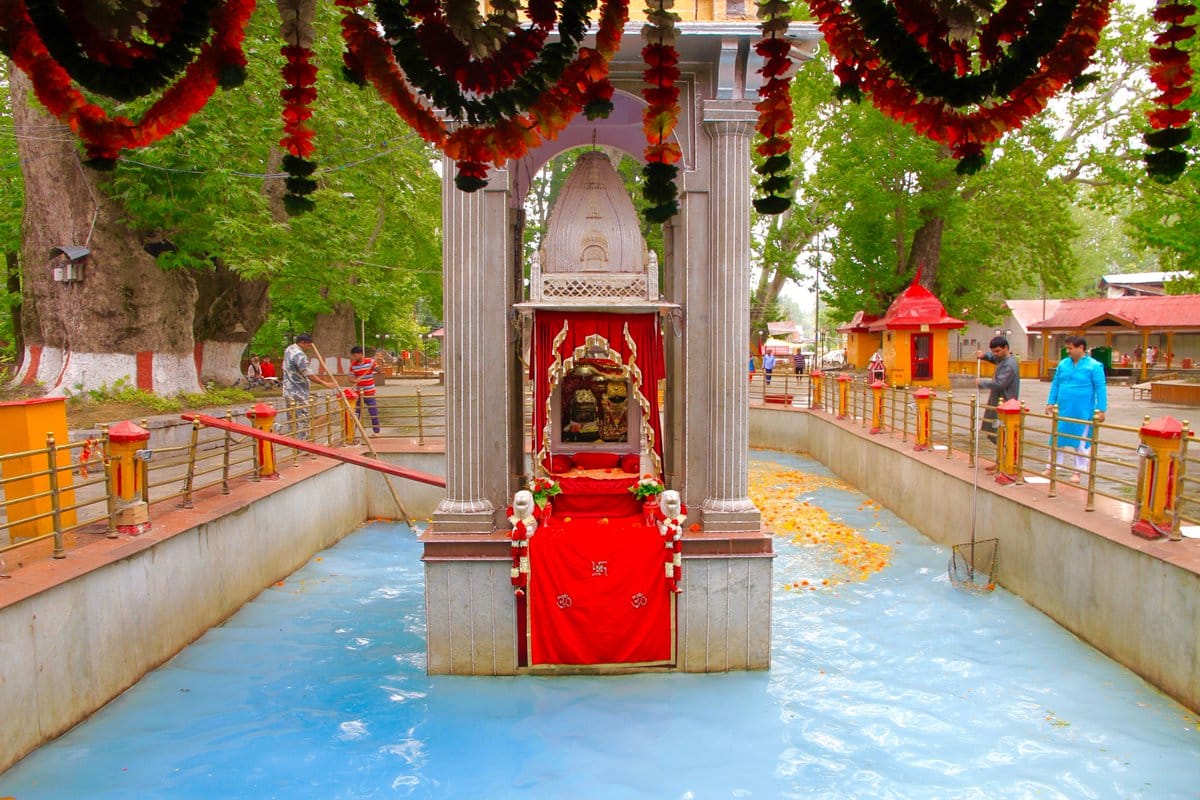
Jammu & Kashmir
Kheer Bhawani Temple
The most important shrine for Kashmiri Pandits, famous for a sacred spring that is said to change color as a divine omen.
Explore Temple
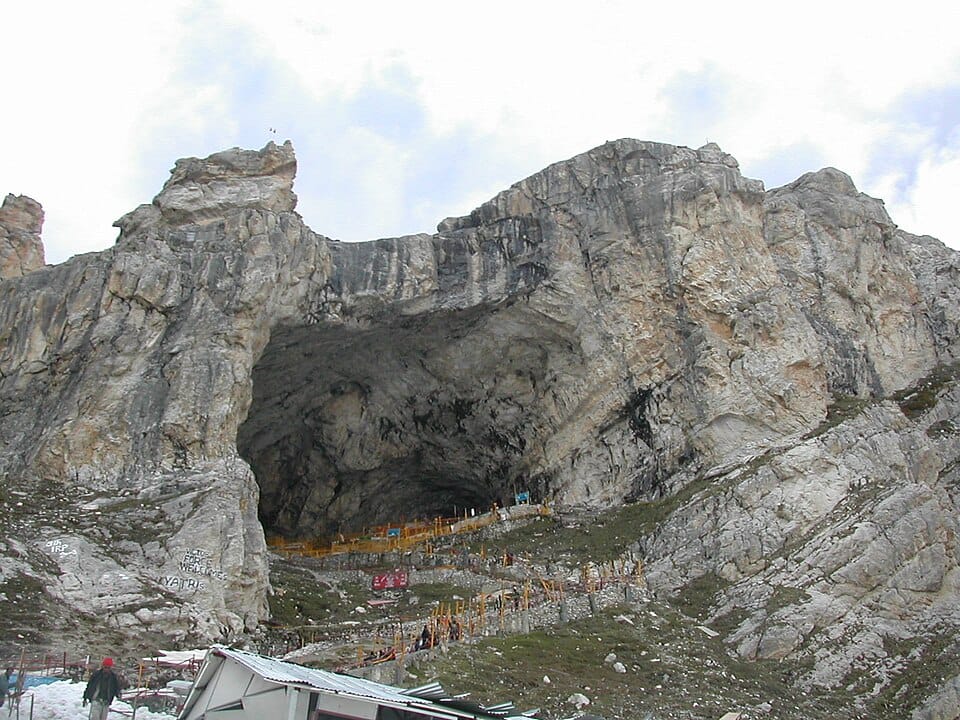
Jammu & Kashmir
Amarnath Cave Temple
One of the holiest shrines at 3,888m altitude, famous for its naturally occurring ice stalagmite Shiva Lingam.
Explore Temple
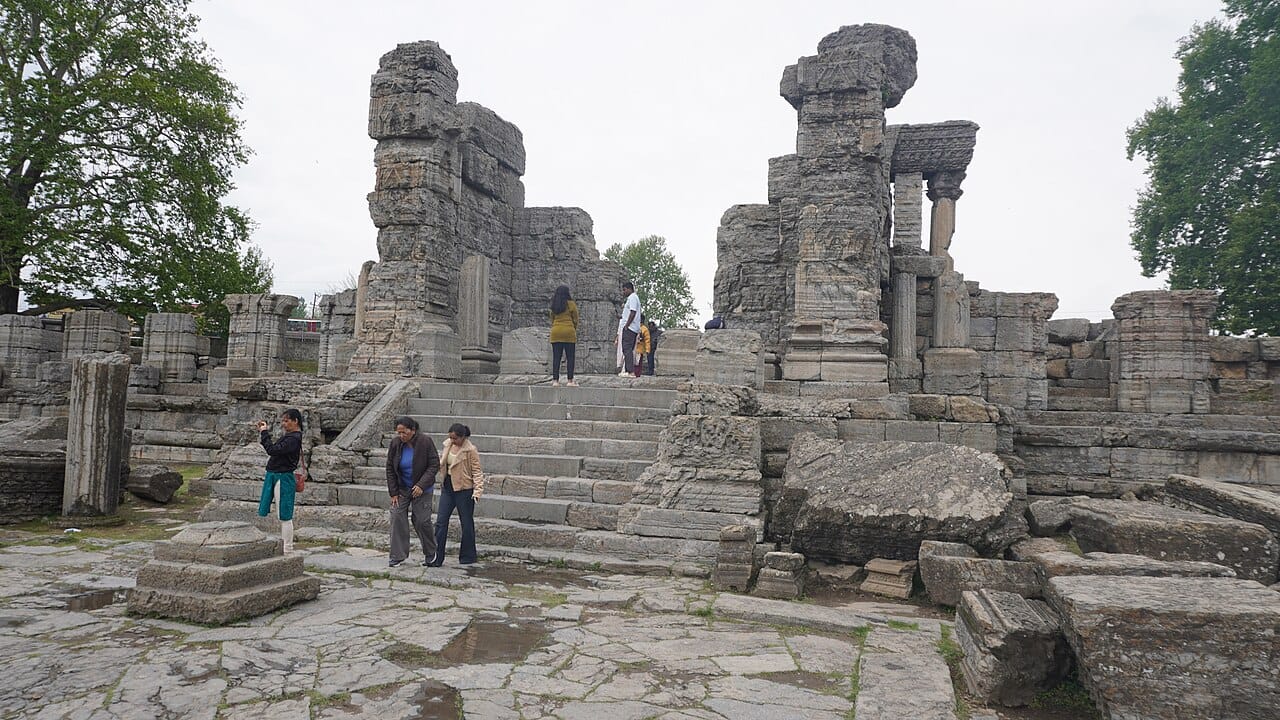
Jammu & Kashmir
Avantiswami Temple Ruins
9th-century Vishnu shrine built by King Avantivarman at Awantipora, featuring a 69-cell colonnaded peristyle, fluted columns, trefoil arches, and Vaikuntha Vishnu sculptures excavated by the ASI in 1913.
Explore Temple
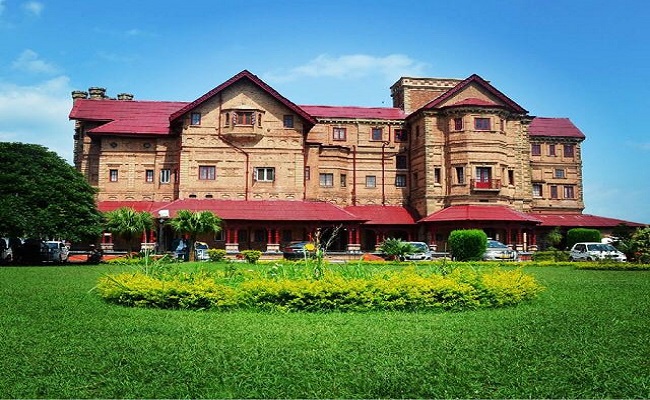
Jammu & Kashmir
Ranbireshwar Temple Jammu
Built in 1883, it is North India's largest Shiva temple, housing a massive 8-foot central Lingam and twelve crystal lingams.
Explore Temple
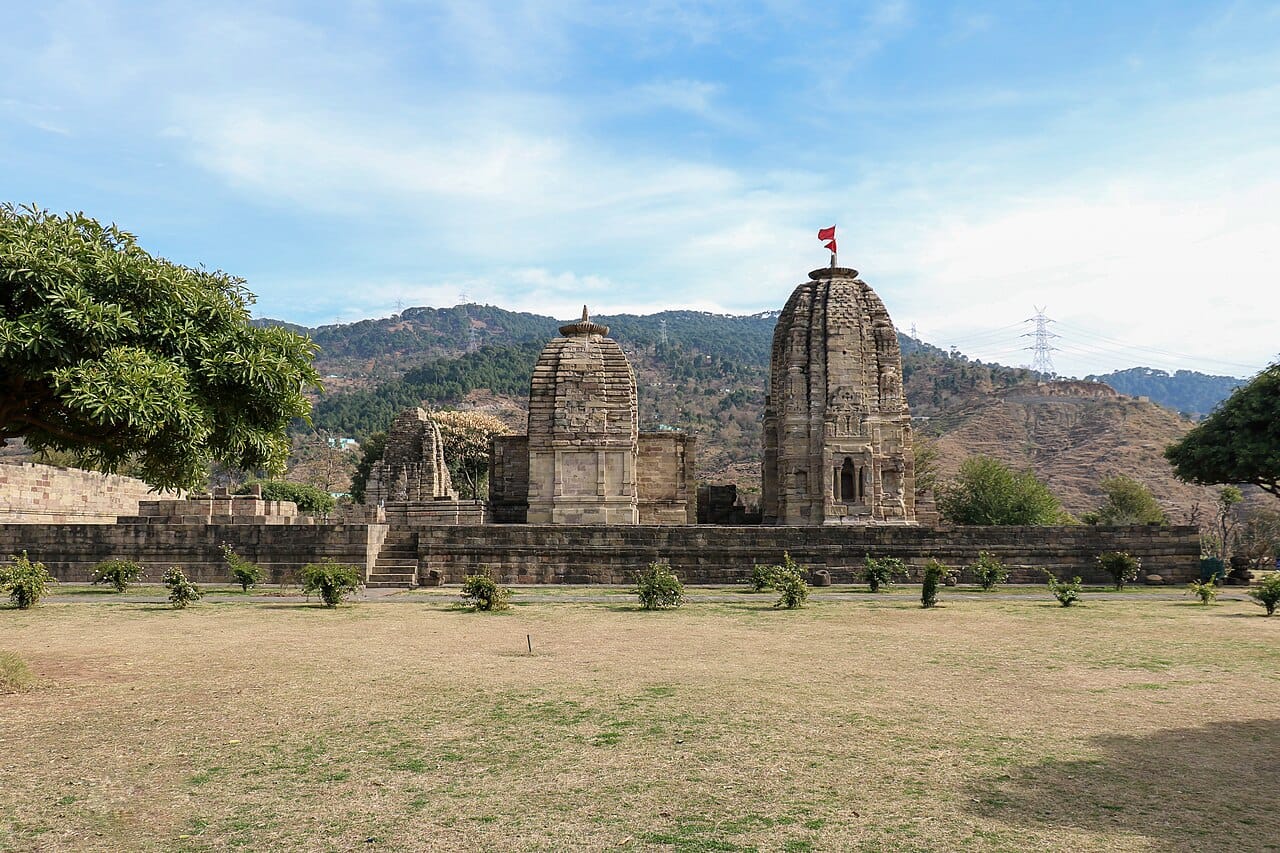
Jammu & Kashmir
Sudh Mahadev Temple
Believed to be over 2,800 years old, it houses a sacred broken iron trident that legend says belonged to Lord Shiva.
Explore Temple
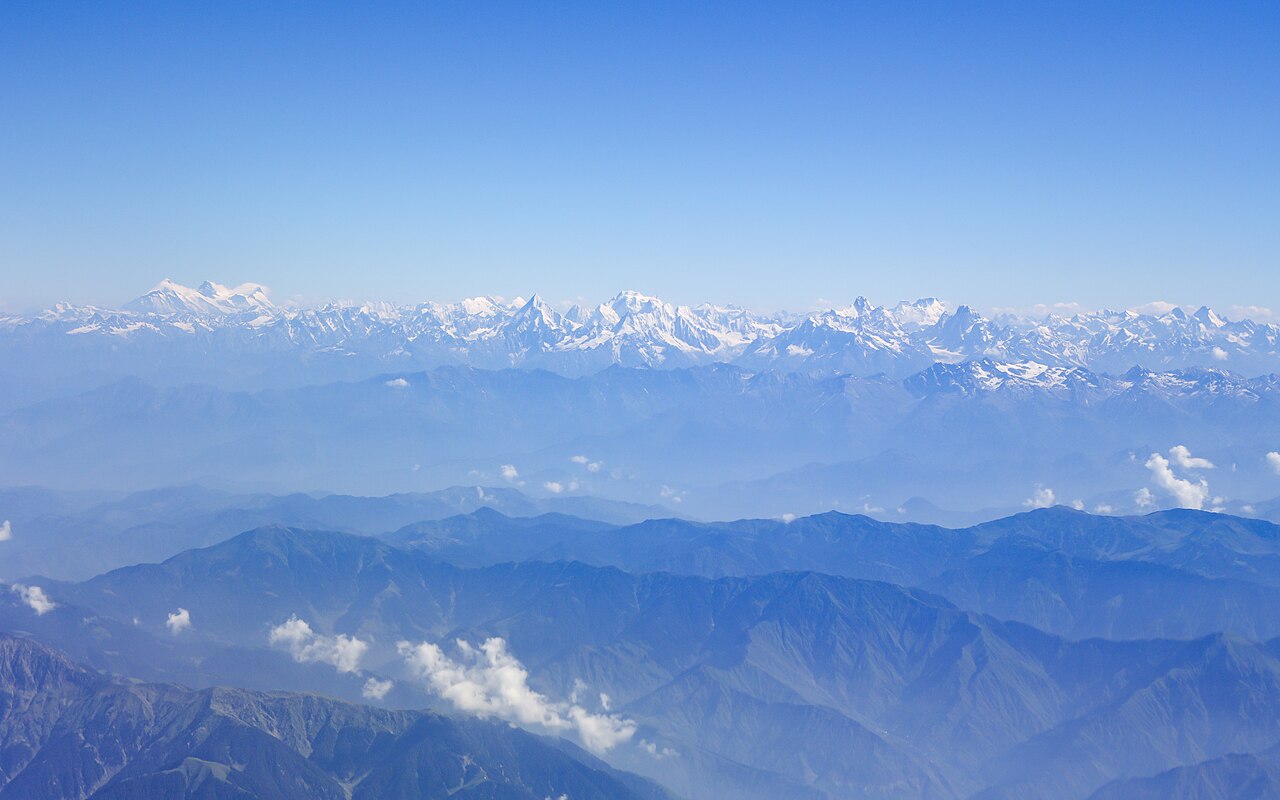
Jammu & Kashmir
Peer Kho Cave Temple
A cave temple on the Tawi banks where legend says Jamvant meditated; it is one of the oldest and most atmospheric in Jammu.
Explore Temple
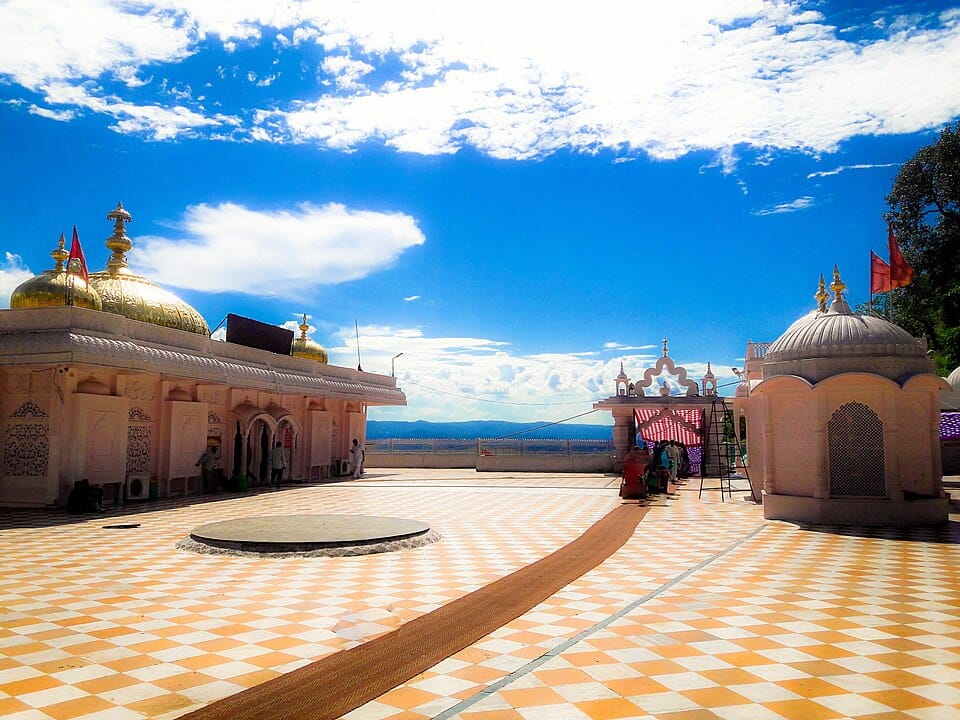
Himachal Pradesh
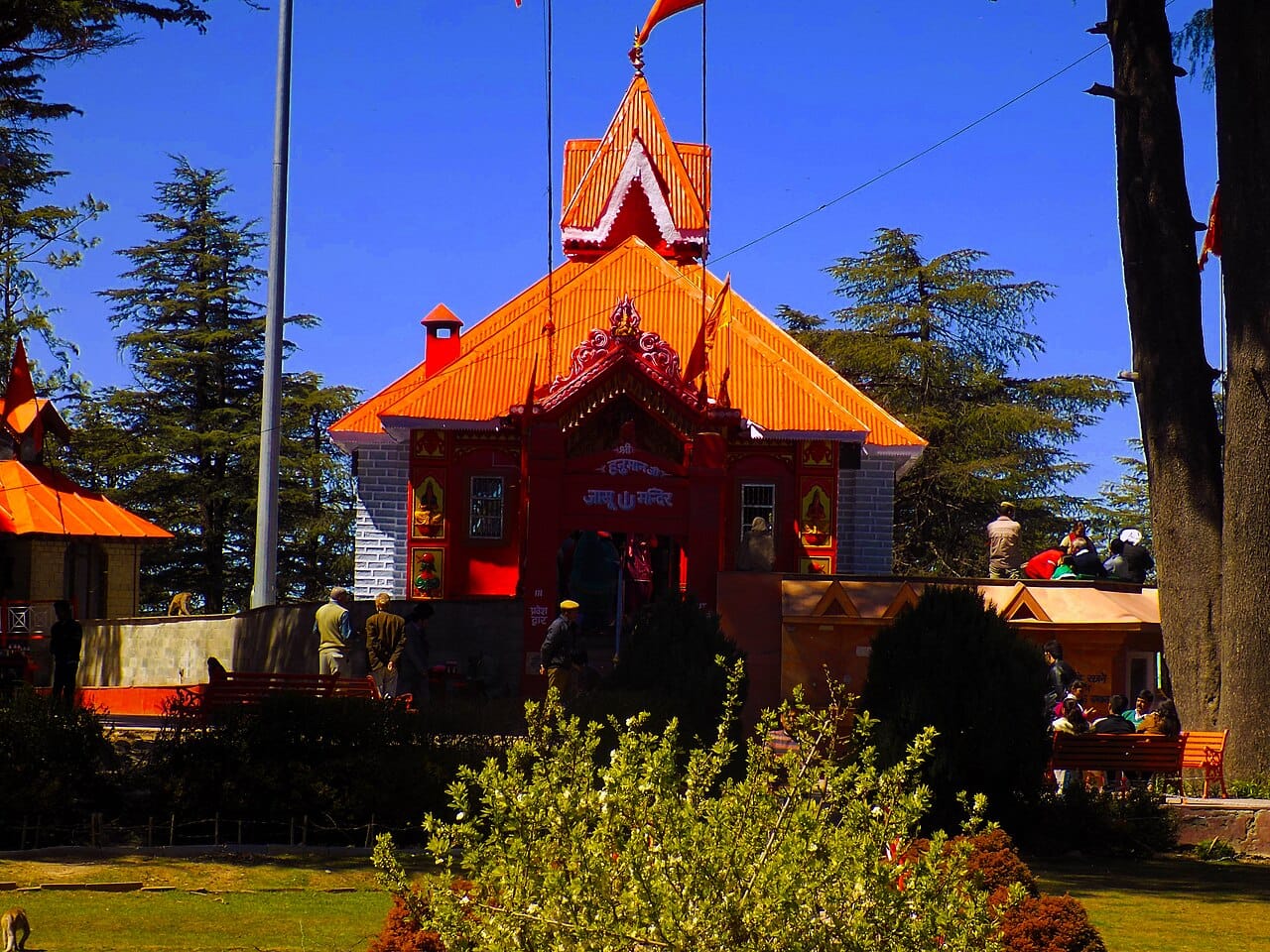
Jwala Ji Temple
A highly venerated Shakti Peetha where the Goddess manifests as nine eternal natural flames, famous for the legend of Emperor Akbar's failed attempt to extinguish them.
Explore Temple
Himachal Pradesh
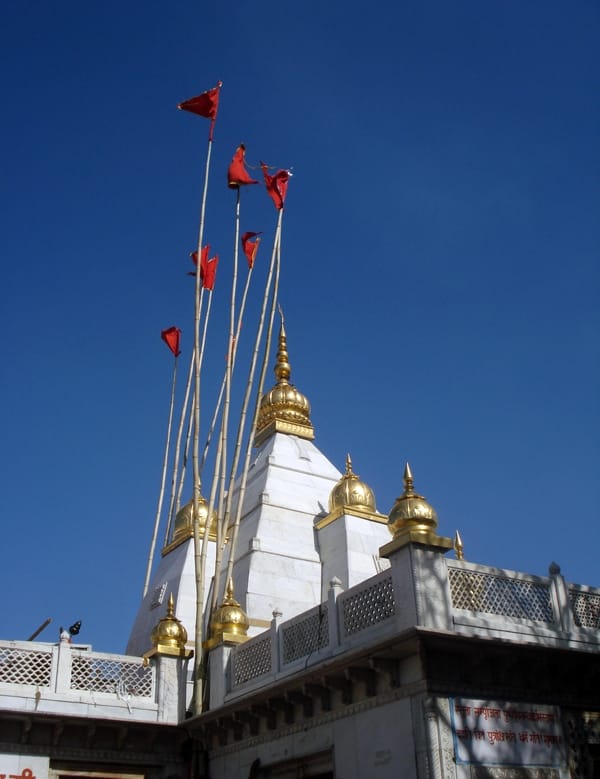
Chintpurni Temple
A major Shakti Peetha dedicated to Maa Chhinnamastika, the 'Headless Goddess', believed to remove all worries and fulfill the sincere prayers of devotees.
Explore Temple
Himachal Pradesh
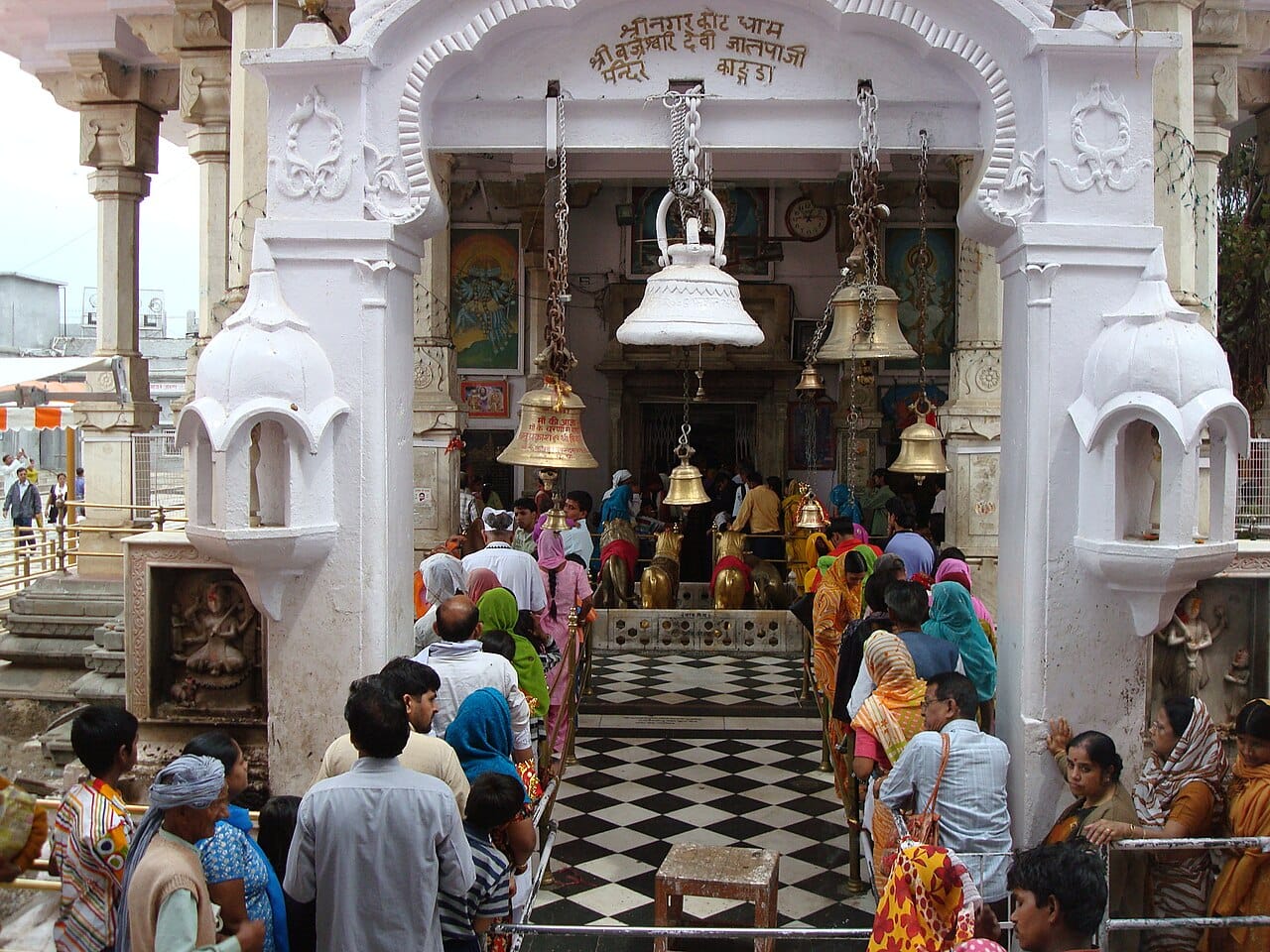
Naina Devi Temple
A highly revered Shakti Peetha situated on a triangular hilltop where the eyes of Sati are believed to have fallen, offering panoramic views of the Shivalik range and Gobind Sagar…
Explore Temple
Himachal Pradesh
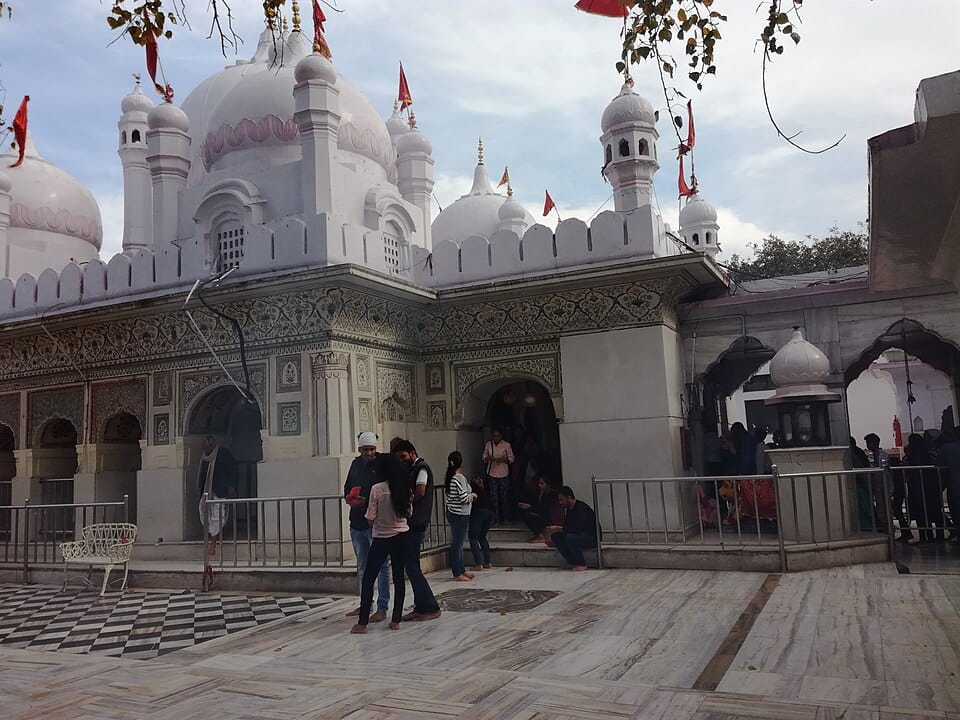
Bajreshwari Devi Temple
One of the 51 Shakti Peethas, this ancient temple is famous for its legendary wealth and the unique 'Makhan ka Lep' ritual on Makar Sankranti.
Explore Temple
Haryana
Mata Mansa Devi Temple
A premier Shakti Peetha where the head of Sati is believed to have fallen, famous for its 19th-century wall paintings and the twin Navratri melas.
Explore Temple
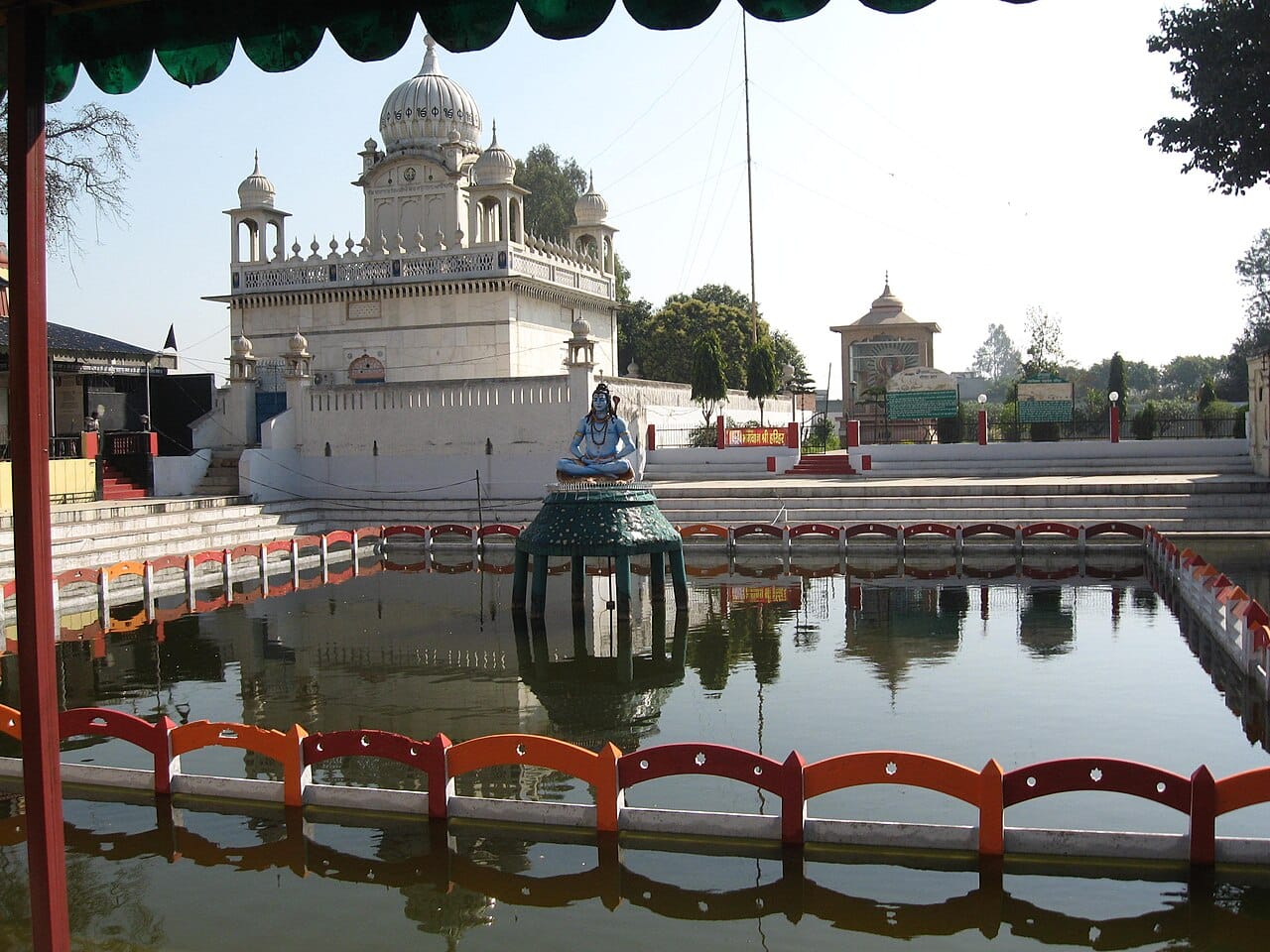
Haryana
Sthaneshwar Mahadev Temple
An ancient and highly revered shrine dedicated to Lord Shiva, intimately connected to the Mahabharata epic and the mighty Pushyabhuti dynasty of Emperor Harshavardhana.
Explore Temple
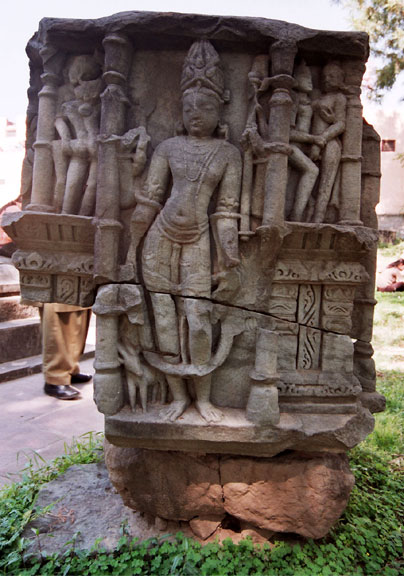
Haryana
Bhima Devi Temple
Often hailed as the 'Khajuraho of North India', this 8th-to-11th-century architectural marvel features magnificent Gurjara-Pratihara ruins and an open-air museum.
Explore Temple
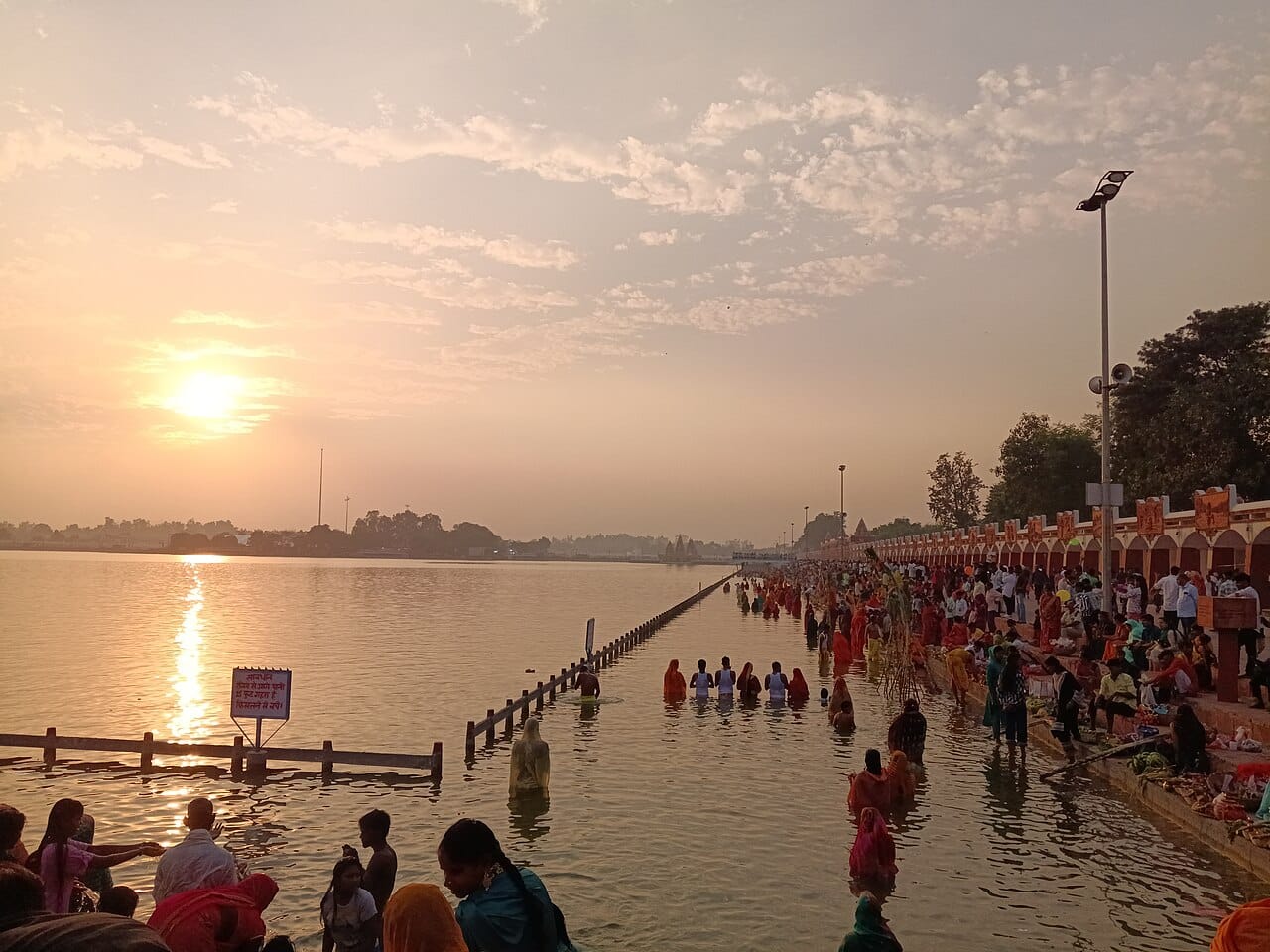
Haryana
Brahma Sarovar
A magnificent ancient water tank in Kurukshetra, deeply tied to the Mahabharata and the creation of the universe by Lord Brahma.
Explore Temple
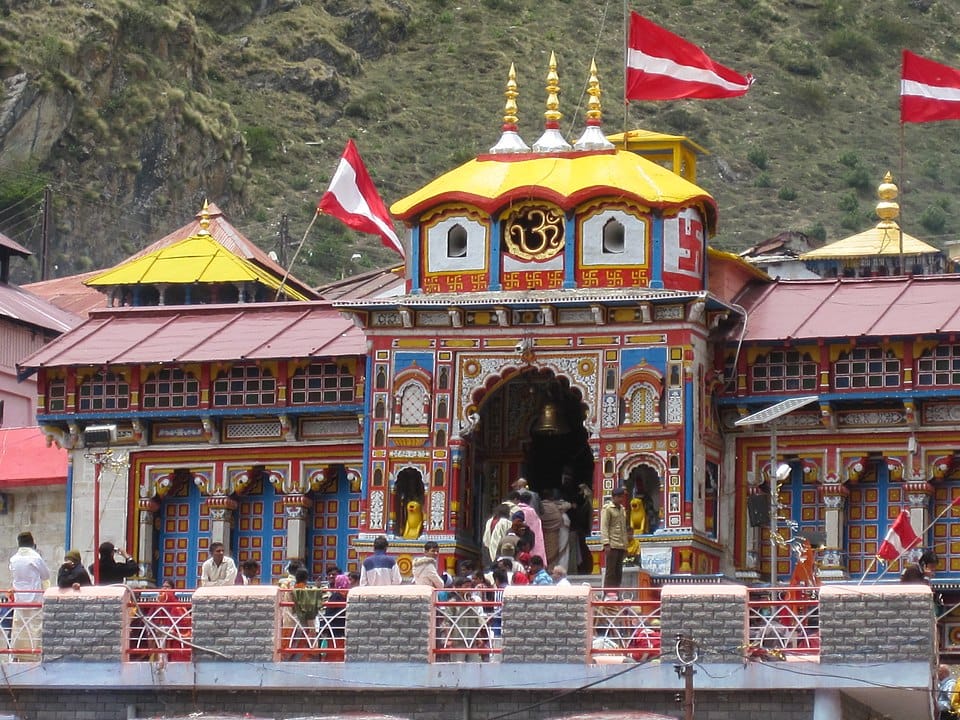
Uttarakhand
Badrinath Temple
Badrinath Temple, dedicated to Lord Vishnu, is a principal Char Dham site and one of the most sacred Vaishnava temples in India, located in the Garhwal Himalayas of Uttarakhand.
Explore Temple
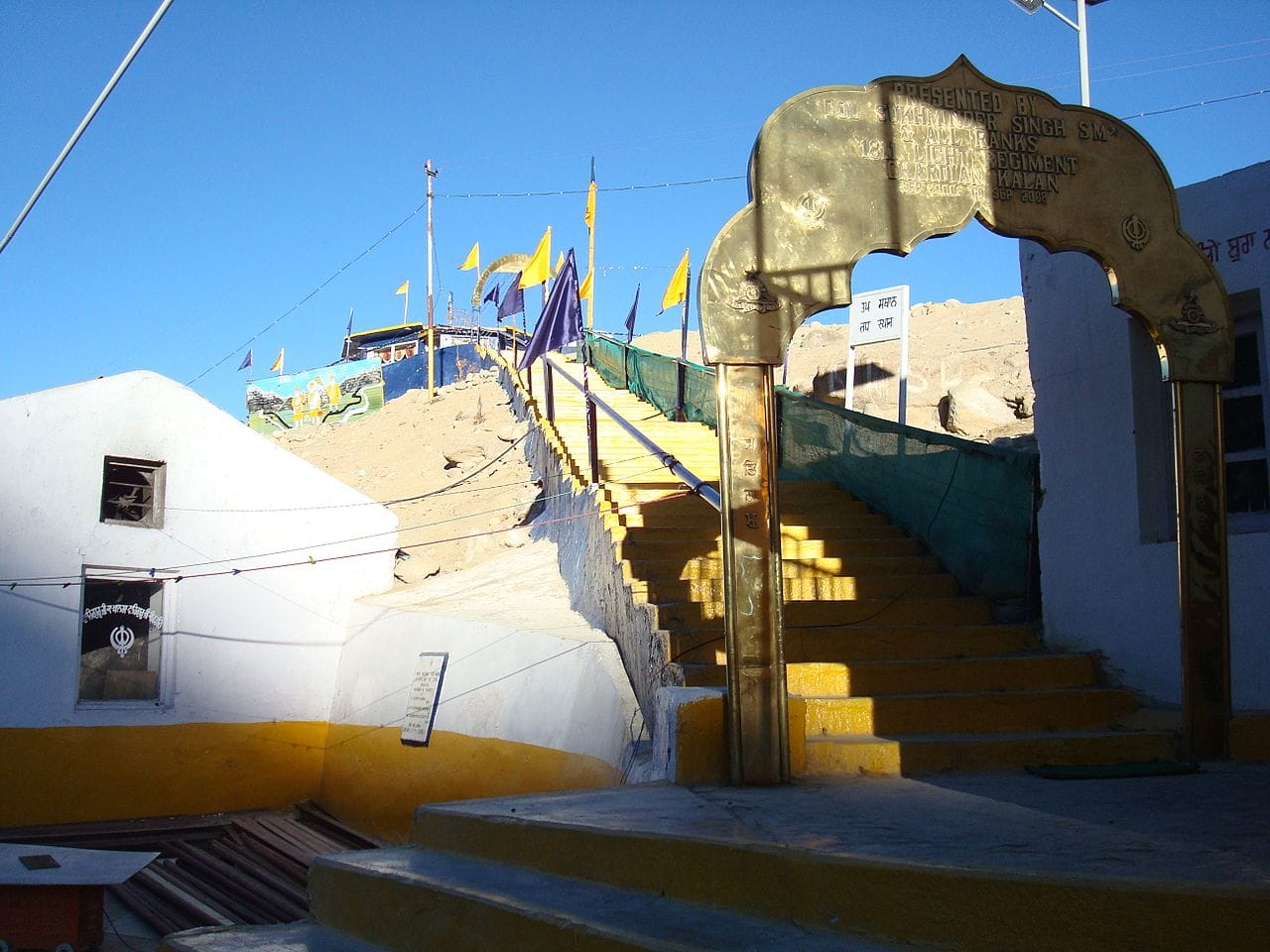
Ladakh
Gurudwara Pathar Sahib
A highly revered Sikh shrine maintained by the Indian Army, housing a massive boulder bearing the miraculous imprint of Guru Nanak Dev Ji.
Explore Temple
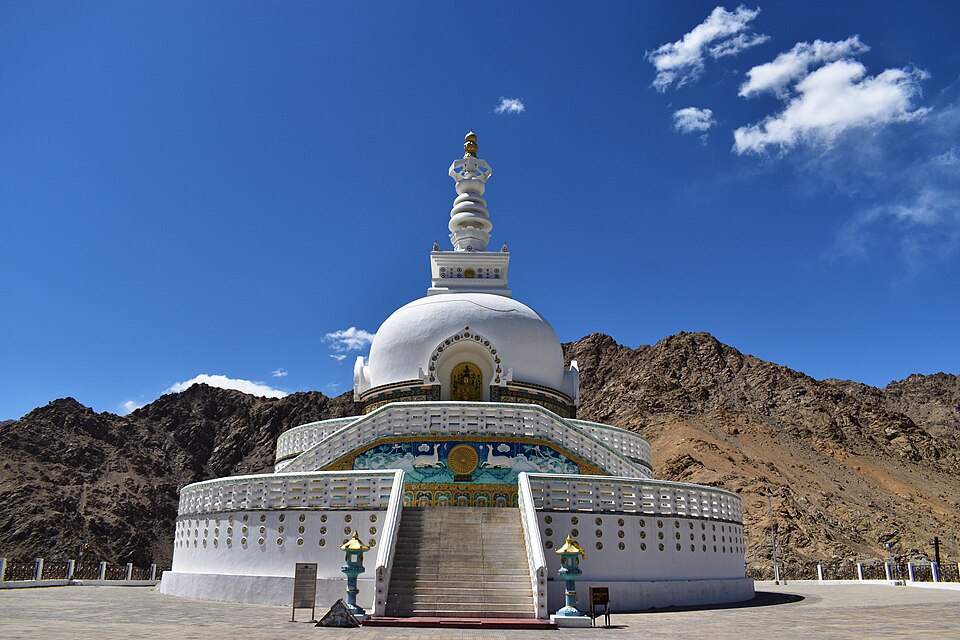
Ladakh
Shanti Stupa
A magnificent white-domed Buddhist stupa offering panoramic views of Leh city and the surrounding snow-capped peaks, built to promote world peace.
Explore Temple
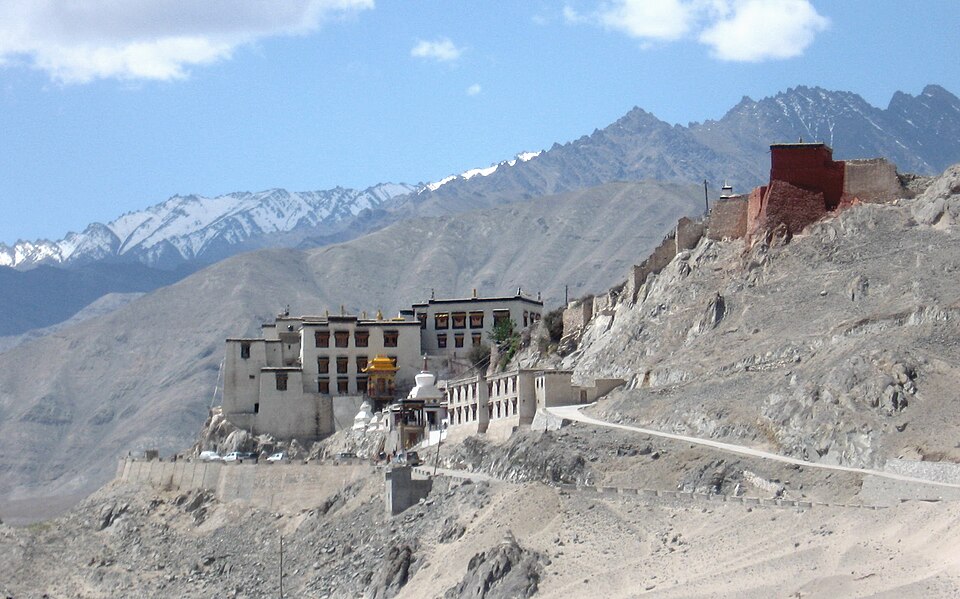
Ladakh
Spituk Monastery
An impressive 11th-century Gompa overlooking the Indus River, known for its giant statue of Kali and stunning views of the Leh airport.
Explore Temple
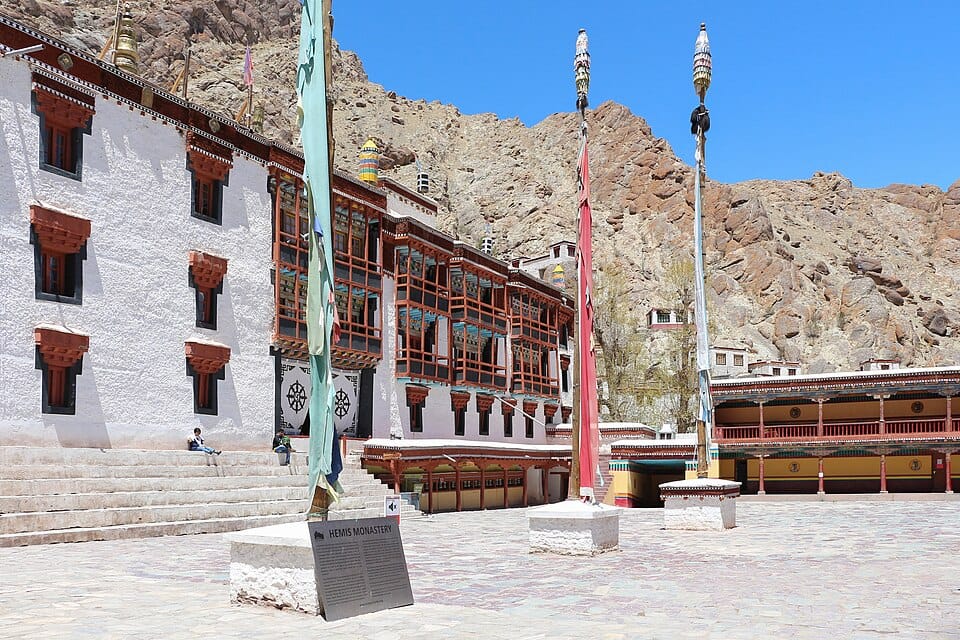
Ladakh
Hemis Monastery
The largest and wealthiest monastery in Ladakh, with a collection of ancient artifacts and the annual Hemis Festival.
Explore Temple
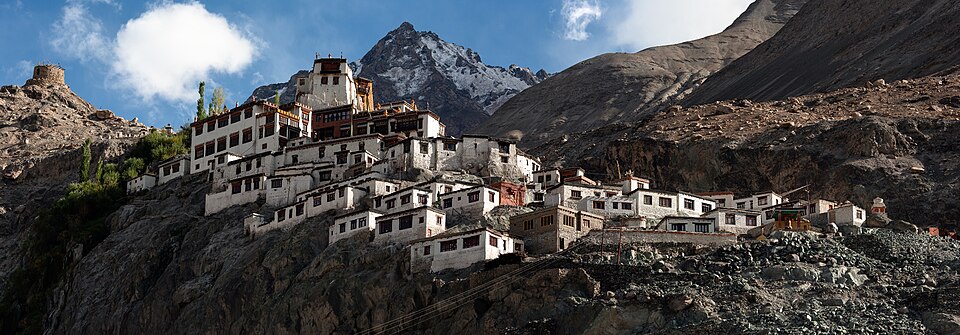
Ladakh
Diskit Monastery
The oldest and largest monastery in the Nubra Valley, featuring a towering 106-foot statue of Maitreya Buddha overlooking the Shyok River.
Explore Temple
In-Depth Guide
North India Temples Legacy
North Indian temples follow the Nagara architectural style, characterized by curvilinear shikharas (spires) that rise in a honeycomb-like profile above the sanctum. The region's temple heritage spans the Gupta period (4th-6th century CE), which produced the earliest surviving stone temples, through the medieval Chandela and Solanki periods, to the modern revival of temple construction in the 20th-21st centuries. North India's sacred geography includes the Himalayan temples, the Ganges riverfront shrines, the Braj Krishna circuit, and the desert temples of Rajasthan.
The Himalayan Region
Uttarakhand, known as Devbhoomi (Land of the Gods), contains the most extreme temple sites in India. The Char Dham circuit (Yamunotri, Gangotri, Kedarnath, Badrinath) ranges from 3,000 to 3,600 meters in altitude. The Panch Kedar circuit includes five Shiva temples high in the Garhwal Himalayas. The Jageshwar group of 125 small temples sits among deodar forests. Himachal Pradesh houses the Shakti Peethas of Jwala Ji (eternal flame), Chintpurni, and Naina Devi, as well as the unique Hadimba Temple with its pagoda-style architecture.
The Ganges Plains
The Ganges basin contains the most important pilgrimage cities in Hinduism. Varanasi (Kashi) is the spiritual capital with over 2,000 temples concentrated along the Ganges ghats. Prayagraj (Allahabad) is the site of the Triveni Sangam and the Kumbh Mela. Ayodhya, the birthplace of Rama, now houses the grand Ram Janmabhoomi Temple. Uttar Pradesh also contains the Braj region (Mathura-Vrindavan), with over 1,000 Krishna temples, and the ancient Buddhist site of Sarnath. Bihar houses the Mahabodhi Temple at Bodh Gaya (UNESCO), the Vishnupad Temple at Gaya, and the Mundeshwari Temple, one of India's oldest functioning temples.
Western and Central India
Madhya Pradesh contains the Khajuraho Group of Monuments (UNESCO), the Mahakaleshwar Jyotirlinga at Ujjain, the Sanchi Stupa (UNESCO), and the Bhojeshwar Temple with the largest monolithic Shiva linga. Rajasthan's temple heritage includes the Dilwara Jain Temples (Mount Abu), the Brahma Temple at Pushkar, the Shrinathji Temple at Nathdwara, and the Ranakpur Jain Temple with 1,444 carved marble pillars. Gujarat houses the Somnath and Nageshwar Jyotirlingas, the Dwarkadhish Temple, and the Modhera Sun Temple with its precise solar alignment.
North India Temples at a Glance
| Temple | Location | State | Presiding Deity | Primary Significance |
|---|---|---|---|---|
| Vaishno Devi Temple | Katra | Jammu & Kashmir | Goddess Vaishno Devi (Durga) | The Vaishno Devi Temple, a sacred cave shrine situated in the Trikuta Mountains of Jammu and Kashmir, is one of India's most visited pilgrimage sites, where millions trek 12 km each year to seek blessings of Mata Vaishno Devi at the holy cave complex. |
| Yamunotri Temple | Uttarkashi | Uttarakhand | Goddess Yamuna | The first stop on the Char Dham Yatra at 3,291 meters, where the Yamuna River originates and pilgrims cook offerings in geothermal springs before darshan. |
| Gangotri Temple | Uttarkashi | Uttarakhand | Goddess Ganga | The highest temple dedicated to Goddess Ganga at 3,100 meters, marking where the sacred river descended to earth through Shiva's locks after King Bhagirath's penance. |
| Jageshwar Temple | Almora | Uttarakhand | Lord Shiva (Jageshwar) | A cluster of 124 ancient stone temples from the 7th-12th centuries, situated in a dense deodar forest. |
| Neelkanth Mahadev Temple | Near Rishikesh | Uttarakhand | Lord Shiva (Neelkanth Mahadev) | Situated at 1,330 meters, this is where Lord Shiva is believed to have consumed the poison (Halahala) during the Samudra Manthan. |
| Tungnath Temple | Rudraprayag | Uttarakhand | Lord Shiva (as Bahu/Arms) | The highest Shiva temple in the world, situated at 3,680 meters on the Chandranath Parbat; it is the 'Tritiya Kedar' in the sacred Panch Kedar pilgrimage circuit. |
| Adi Badri Uttarakhand | Chamoli | Uttarakhand | — | A complex of 16 ancient temples from the Gupta period; it is believed Vishnu resided here before moving to Badrinath. |
| Katarmal Sun Temple | Almora | Uttarakhand | — | A 9th-century stone temple and one of northern India's primary Sun temples after Konark, featuring intricate carvings. |
| Baijnath Temple Uttarakhand | Bageshwar | Uttarakhand | — | A 12th-century complex on the Gomti banks, famous for its life-sized black stone idol of Goddess Parvati. |
| Patal Bhuvaneshwar Cave | Pithoragarh | Uttarakhand | — | An underground limestone cave temple where legend says the entire pantheon of Hindu gods reside in rock formations. |
Frequently Asked Questions
Q.Which is the oldest temple in North India?
The Dashavatara Temple at Deogarh (Uttar Pradesh), built around 500 CE during the Gupta period, is the oldest surviving structural temple in North India. The Bhitargaon Temple near Kanpur (5th century CE) is the oldest brick temple.
Q.What is the Nagara style of architecture?
Nagara is the North Indian temple style characterized by a curvilinear beehive-shaped shikhara (spire) above the sanctum. It has three sub-styles: Latina (single curve), Sekhari (with attached sub-spires), and Bhumija (with rows of miniature spires).
Q.Which North Indian temple has the tallest shikhara?
The Kandariya Mahadeva Temple at Khajuraho has the tallest surviving shikhara in North India at 31 meters (102 feet). The Lingaraj Temple at Bhubaneswar has a 55-meter deul, but this follows the Kalinga style rather than pure Nagara.
Q.Which is the most visited temple in North India?
The Kashi Vishwanath Temple at Varanasi is the most visited temple in North India, receiving over 30 million annual pilgrims. The Vaishno Devi Temple in Jammu receives over 8 million, and the Golden Temple in Amritsar receives over 100,000 daily visitors.
Sources & References
These records back the dating, architectural classification and visitor guidance published on this North India Temples page.
Archaeological Survey of India
Archaeological Survey of India — monument records and conservation reports
Protection status, dating, architectural classification and published conservation records for the monuments named on this page.
Primary archaeological record
Open source (opens in a new tab)Ministry of Tourism, Government of India
Ministry of Tourism — official destination information
Official Government of India destination information — access, visitor circuits and travel guidance referenced on this page.
Government record
Open source (opens in a new tab)
— every record linked above was re-requested for this release, so the link still resolves and the publisher still serves the document. It is a link check, not a re-verification of every sentence on this page.
Missing something, or found an error? Send us a correction with the record that supports it, or read how we choose sources.