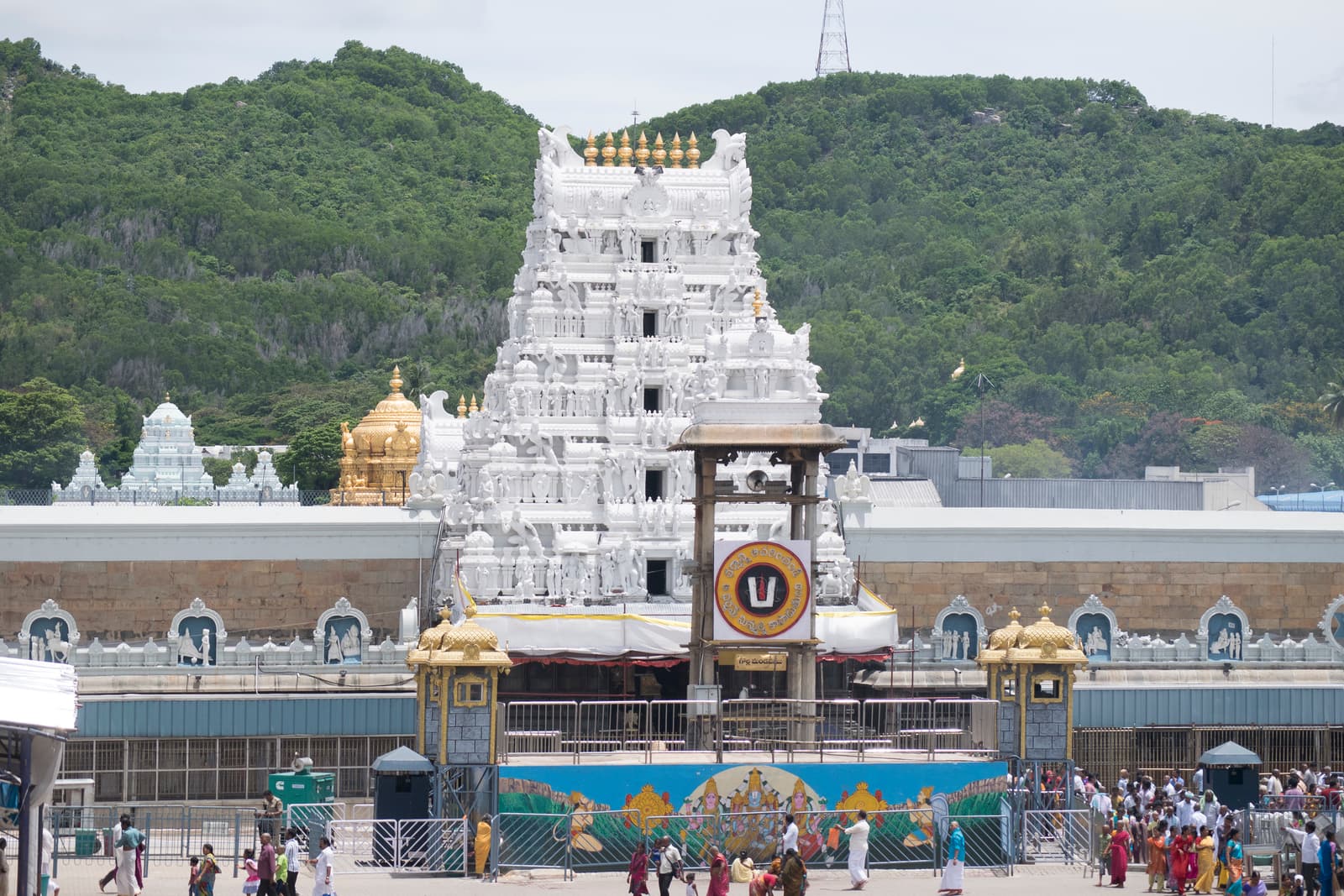
vi
Theme Collection
Vishnu Temples
Explore the divine Vishnu temples across India, including the 108 Divya Desams and imperial Vaishnava landmarks.
The Collection
Featured Shrines
Explore our curated selection of vishnu temples that define this architectural and spiritual category.
60 Sites Identified
West Bengal
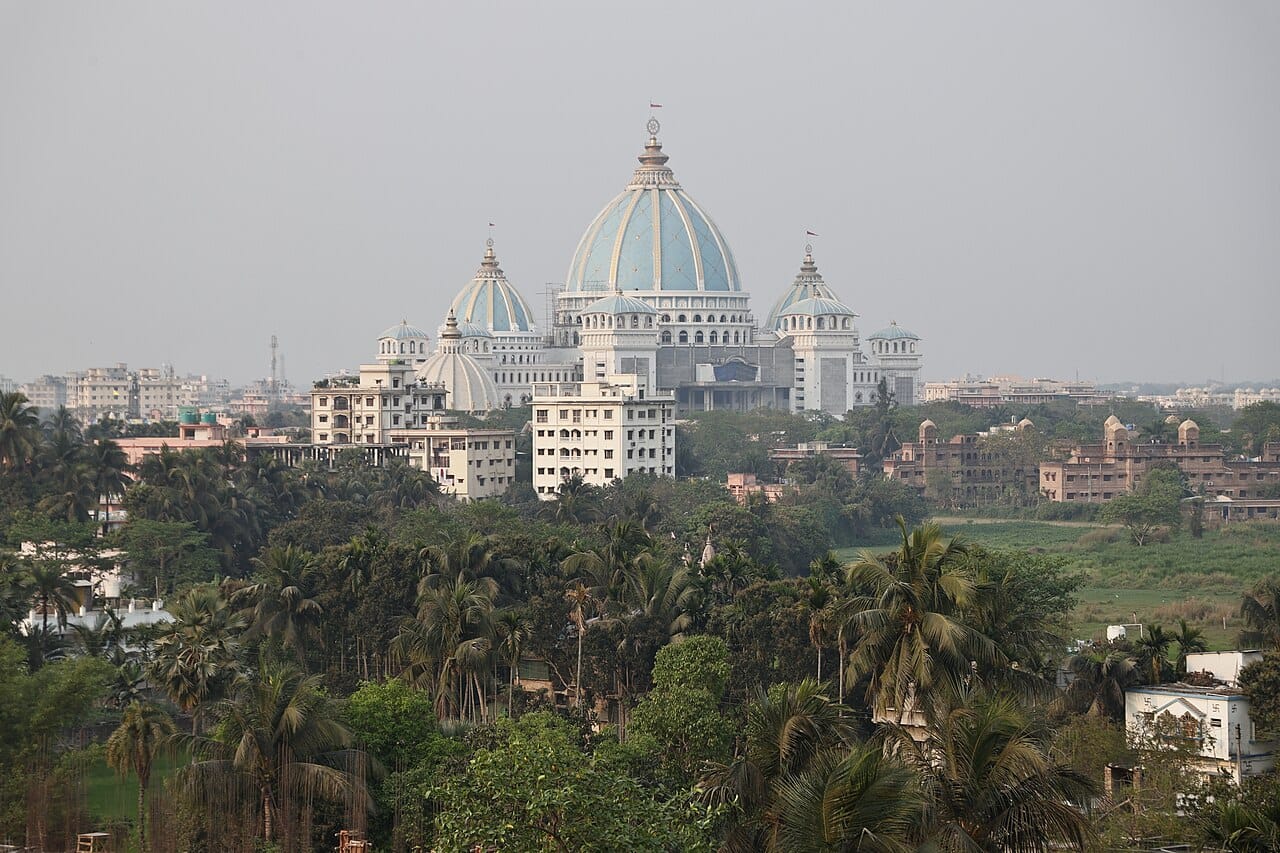
ISKCON Mayapur Nadia
The global spiritual headquarters of ISKCON in Mayapur, Nadia, situated at the confluence of the Jalangi and Bhagirathi rivers.
Explore Temple

West Bengal
Rasmancha Bishnupur
The oldest 17th-century brick structure in Bishnupur, unique for its massive pyramidal roof and arched galleries.
Explore Temple
West Bengal
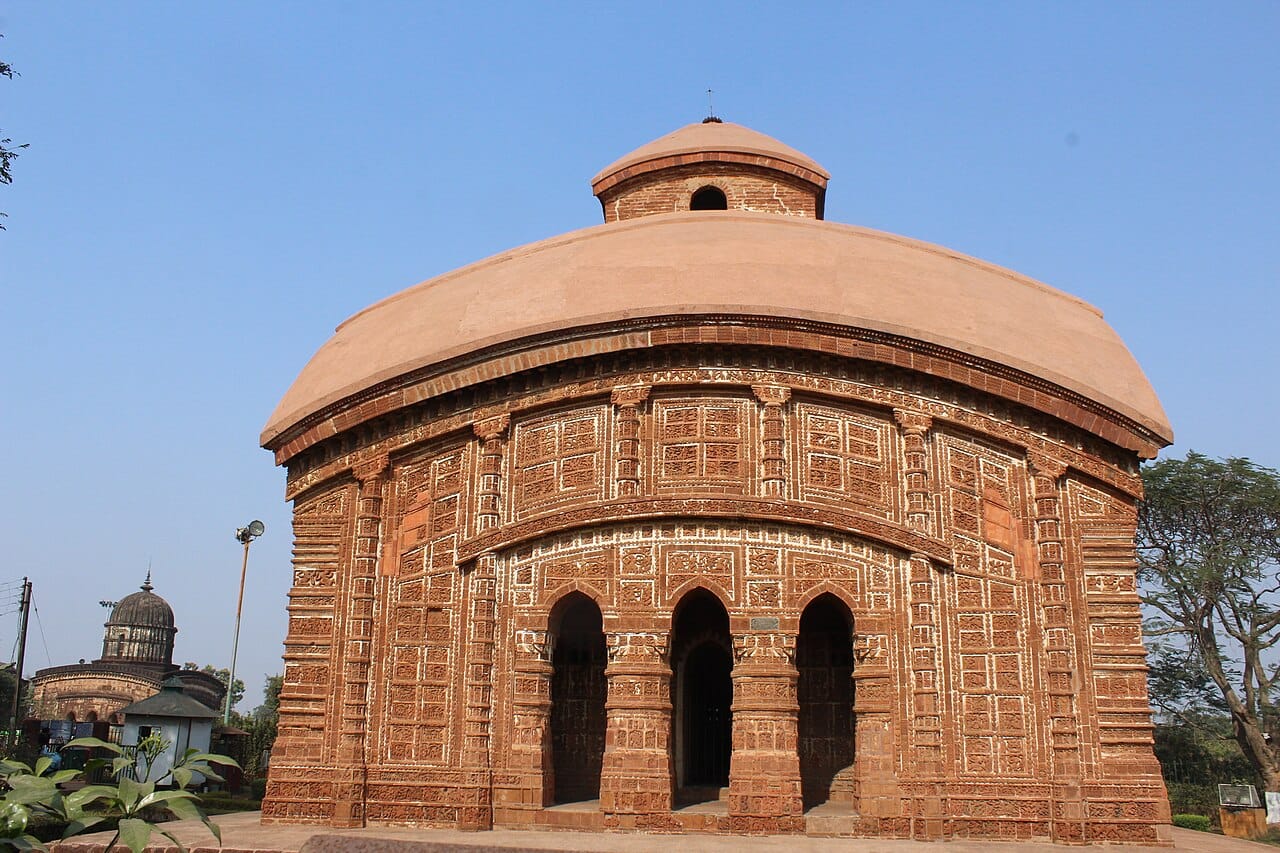
Jor-Bangla Temple Bishnupur
Known for its 'twin hut' design and incredibly detailed terracotta panels depicting the Ramayana and Mahabharata.
Explore Temple

West Bengal
Shyam Rai Temple Bishnupur
A five-towered terracotta temple famous for its circular friezes showing the Rasa-lila of Lord Krishna.
Explore Temple
Uttarakhand
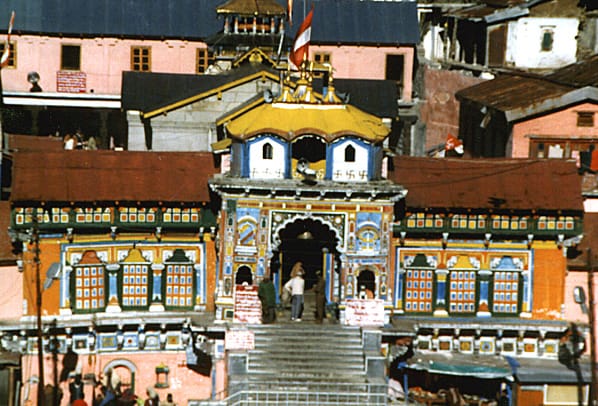
Adi Badri Uttarakhand
A complex of 16 ancient temples from the Gupta period; it is believed Vishnu resided here before moving to Badrinath.
Explore Temple
Uttar Pradesh
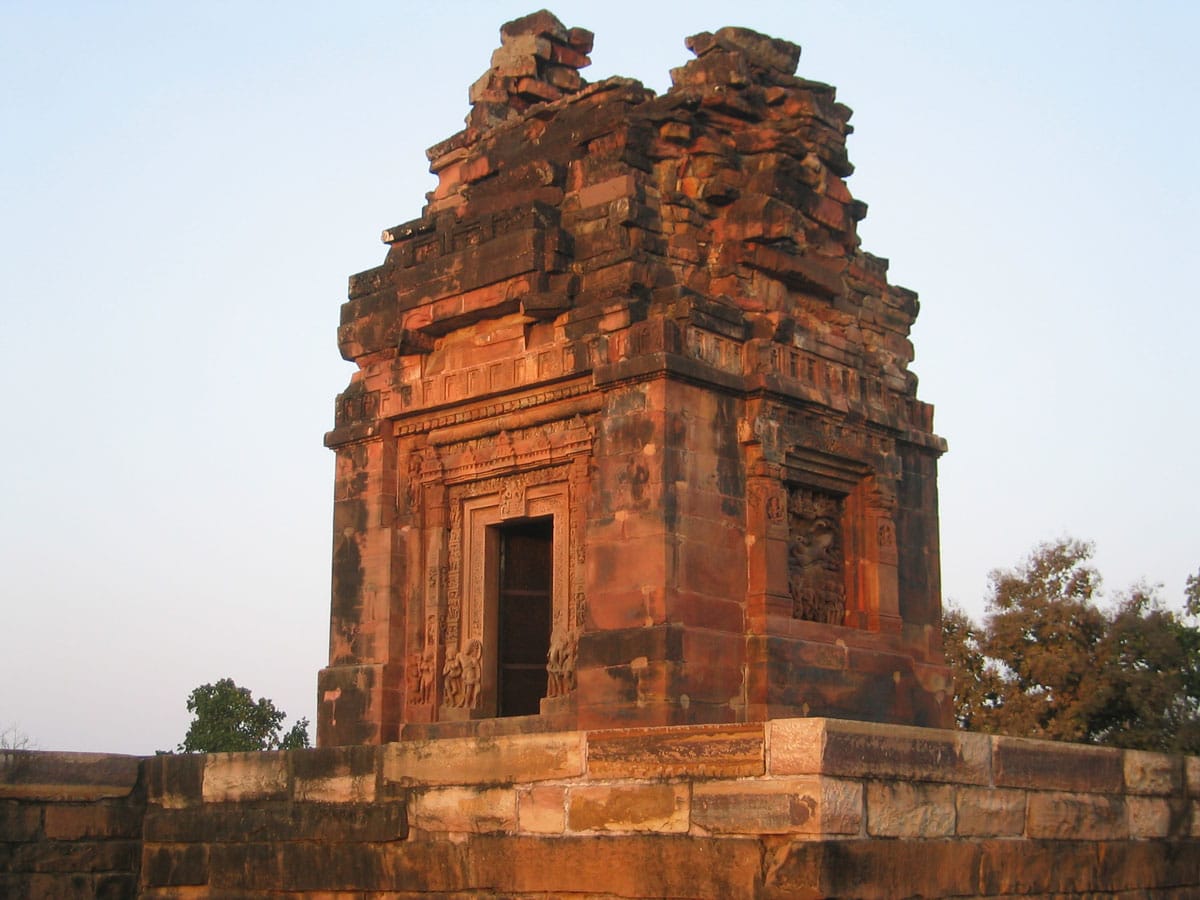
Dashavatara Temple
Dating to around 500 CE, this is the earliest known North Indian temple with a shikhara (curvilinear tower).
Explore Temple
Uttar Pradesh
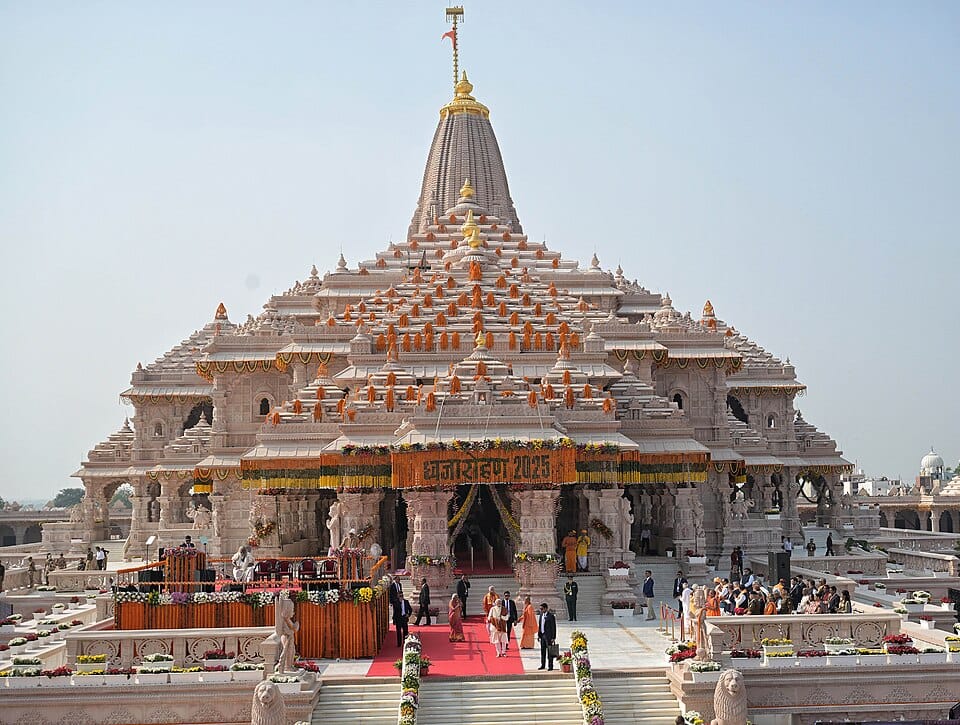
Shri Ram Janmabhoomi Mandir
A grand and historic temple marking the birthplace of Lord Rama, the seventh avatar of Vishnu, representing the pinnacle of Nagara architecture.
Explore Temple
Uttar Pradesh
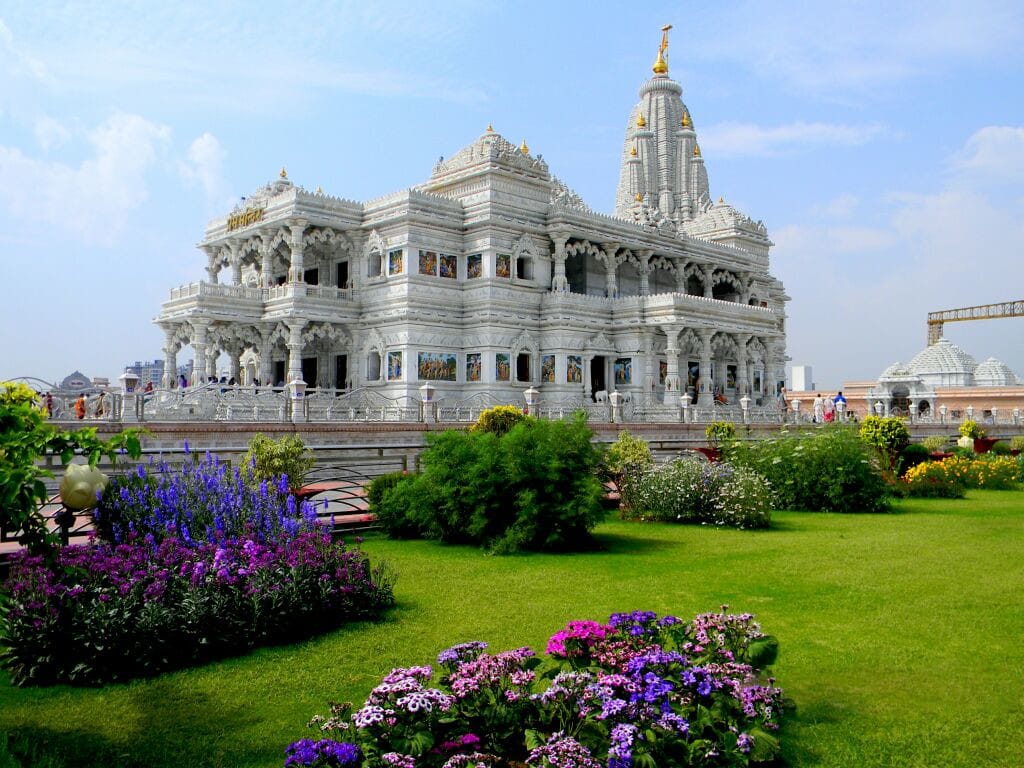
Prem Mandir
A stunning modern white-marbled complex in Vrindavan dedicated to Divine Love, known for its life-like tableaus of Krishna's pastimes.
Explore Temple
Uttar Pradesh
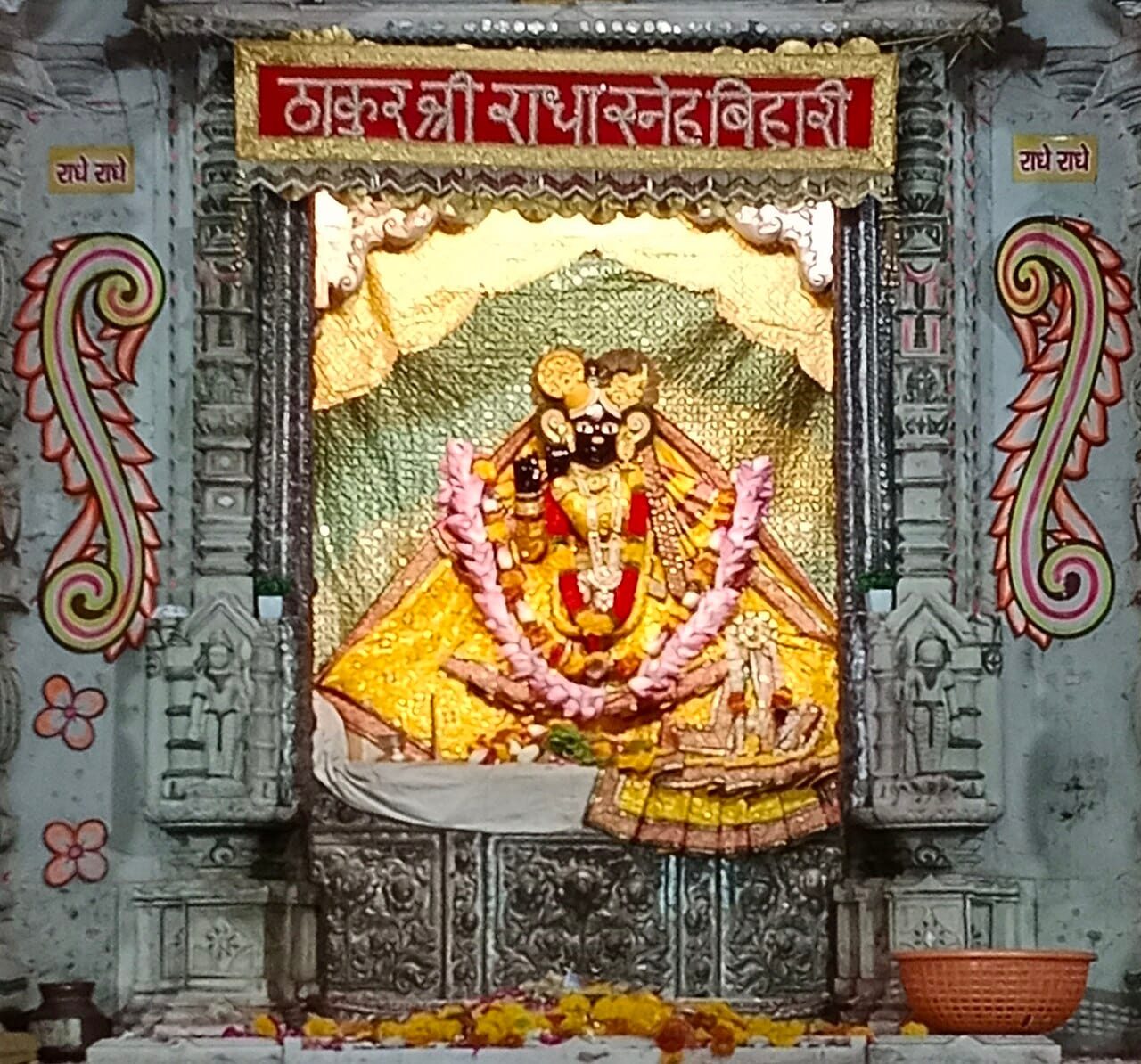
Banke Bihari Temple
Among the most famous Krishna temples in India, where the deity is worshipped as a child and curtains are drawn frequently.
Explore Temple
Uttar Pradesh
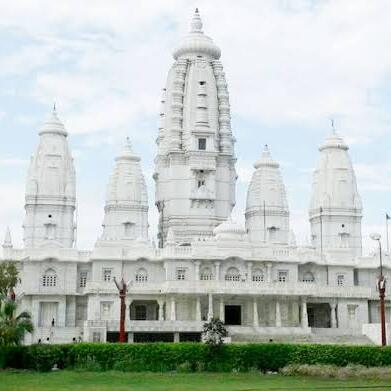
Bhitargaon Temple Kanpur
The oldest remaining terracotta/brick temple in India, dating to the 6th-century Gupta era, a masterpiece of early architecture.
Explore Temple
Delhi
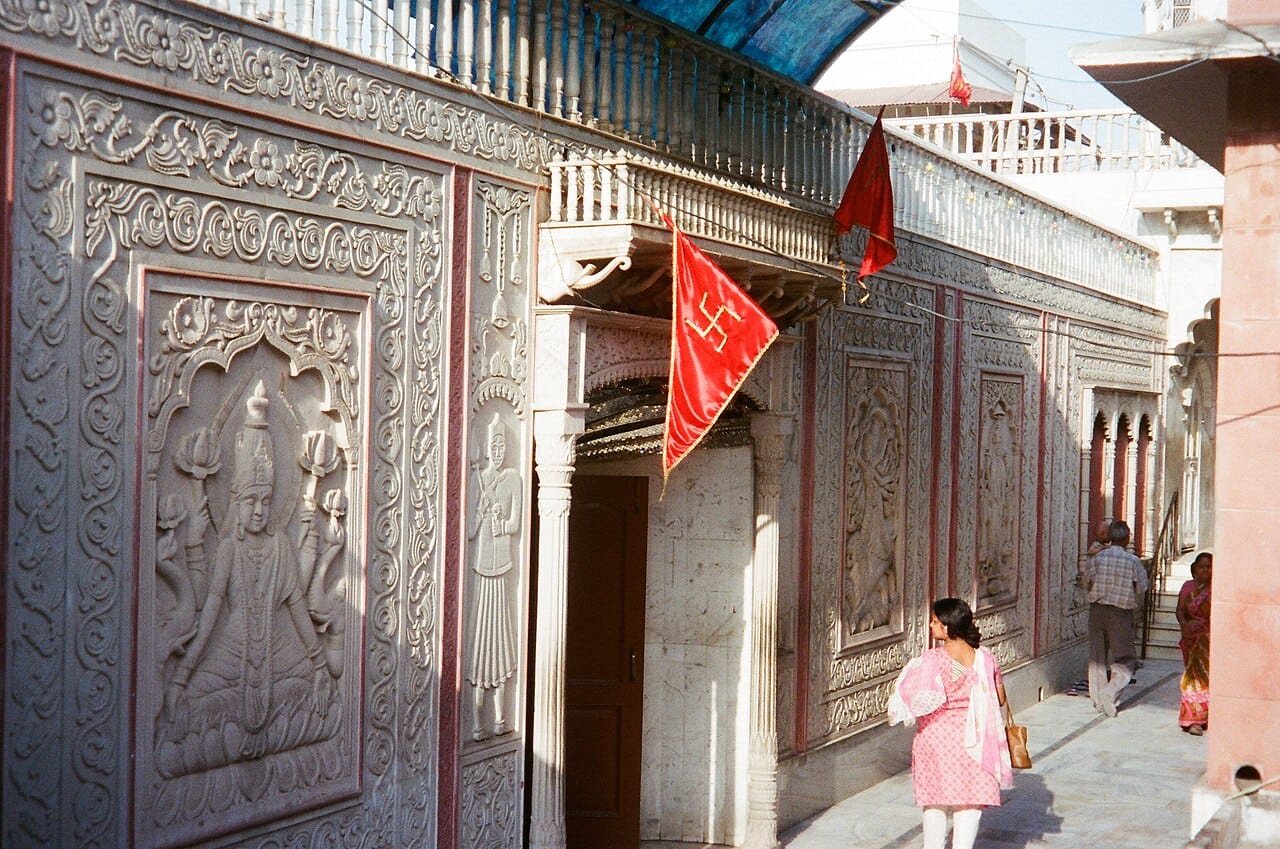
Yogmaya Temple Mehrauli
One of Delhi's few surviving ancient temples, believed to be built by the Pandavas and a symbol of communal harmony.
Explore Temple
Delhi
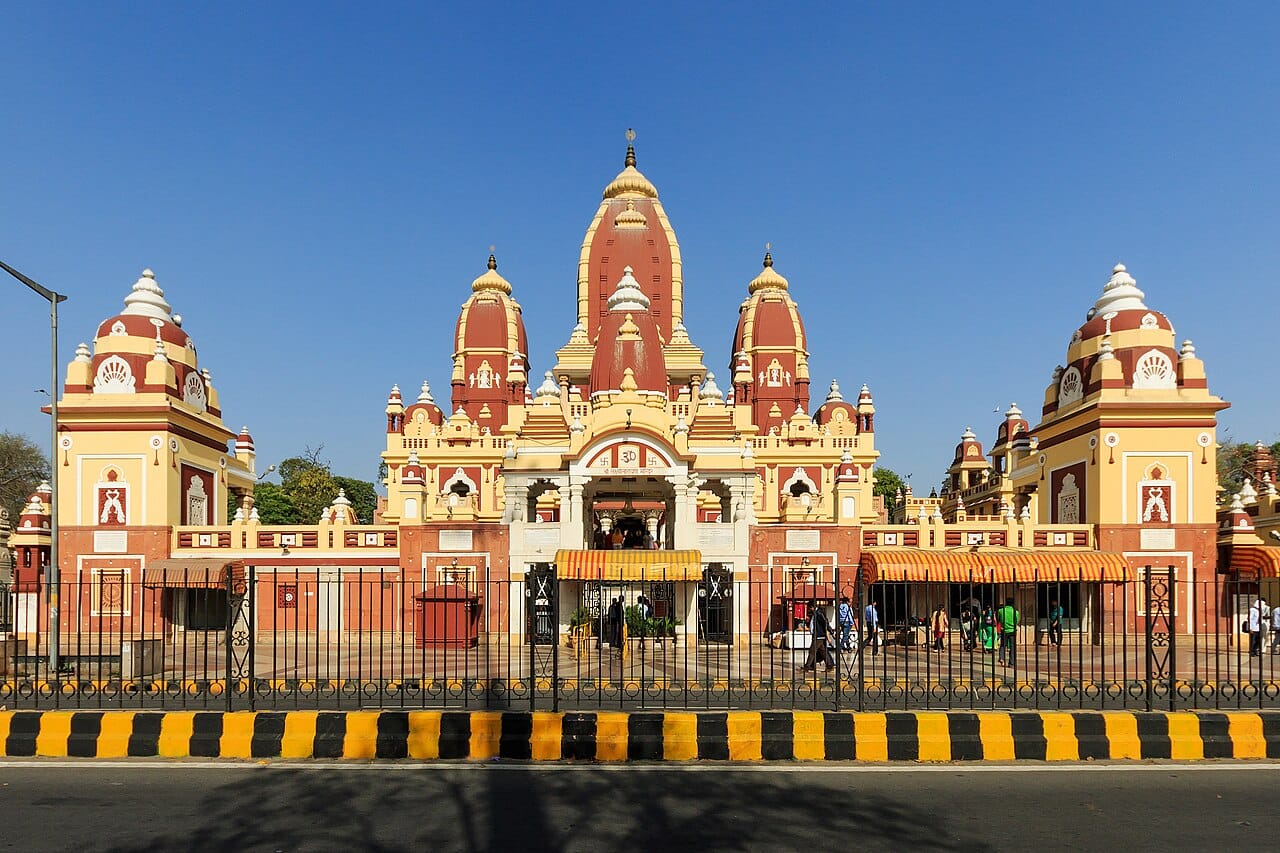
Birla Mandir (Laxmi Narayan Temple)
Inaugurated by Mahatma Gandhi in 1939, this masterpiece of Nagara style was one of India's first temples open to all castes.
Explore Temple
Tripura
Jagannath Bari Agartala
A 19th-century masterpiece blending traditional Hindu design with Islamic domes and arches, built by the royal family.
Explore Temple

Tripura
Laxmi Narayan Temple Agartala
An integral part of Tripura's royal heritage, dedicated to Lord Vishnu and known for its serene and peaceful atmosphere.
Explore Temple
Telangana
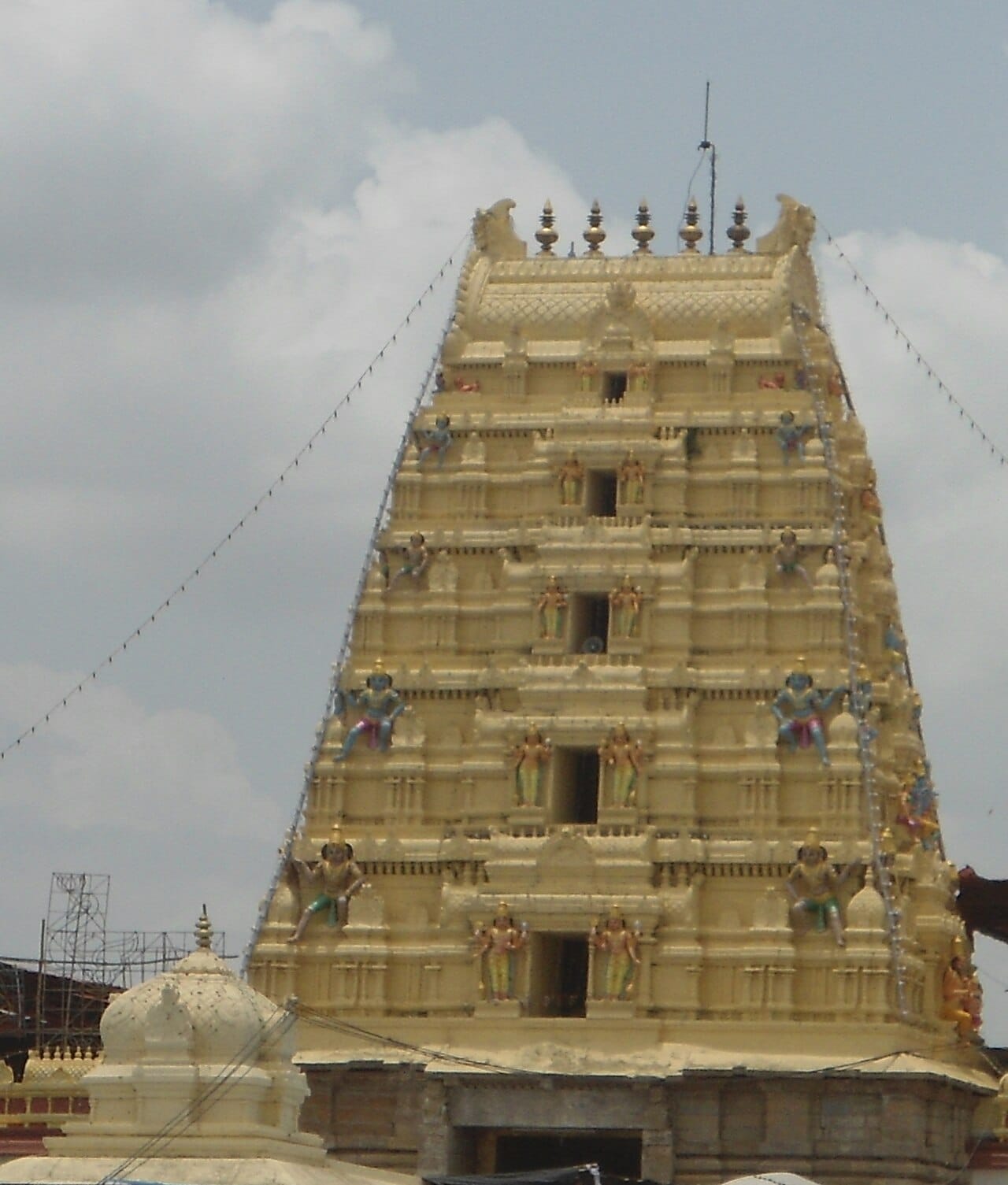
Bhadrachalam Sita Ramachandra Swamy Temple
Known as the Ayodhya of the South, this temple on the Godavari river was built by the legendary devotee Bhakta Ramadasu.
Explore Temple
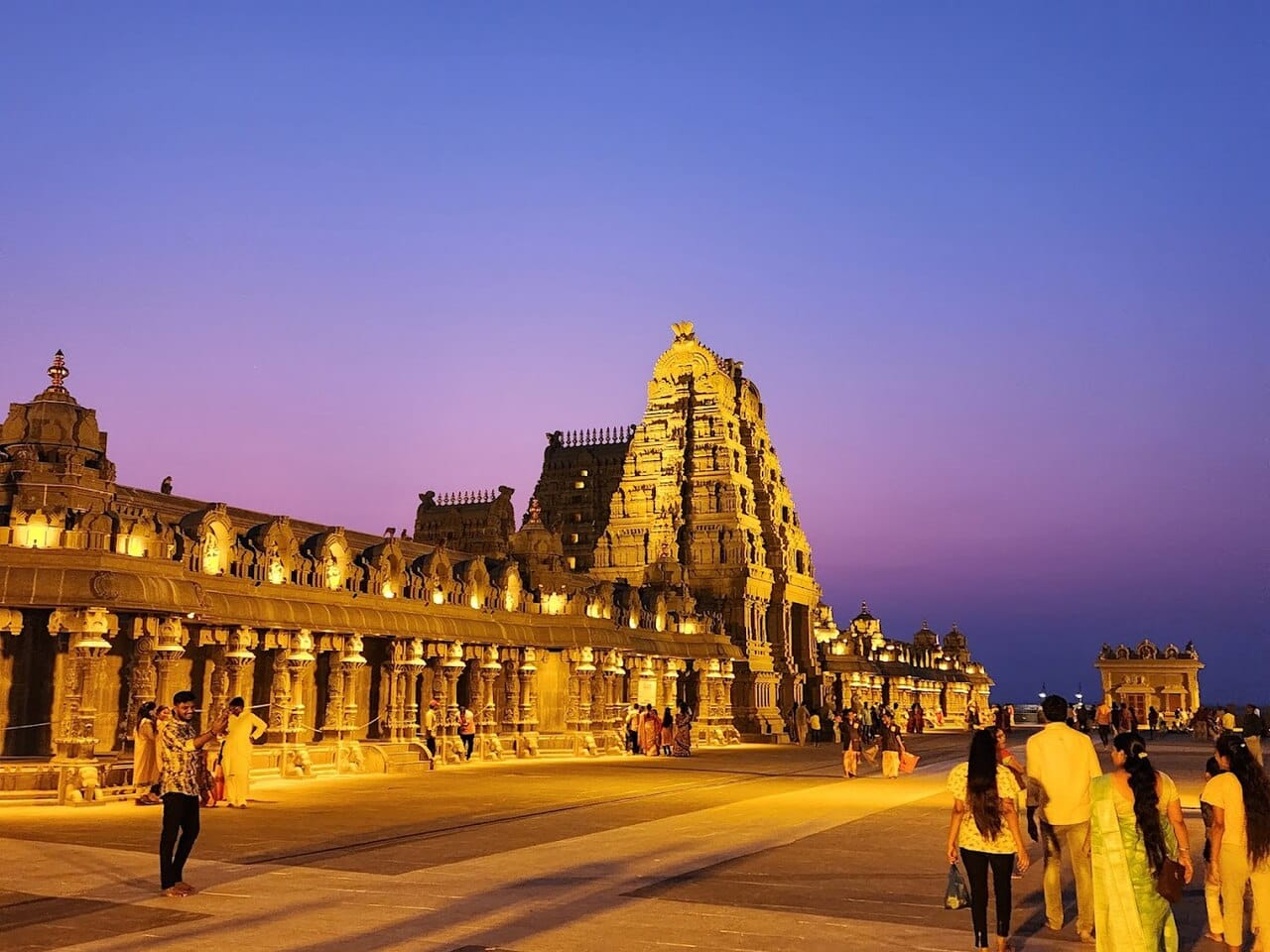
Telangana
Yadadri Lakshmi Narasimha Swamy Temple
A popular cave temple that recently underwent a massive stone architectural renovation following ancient traditions.
Explore Temple
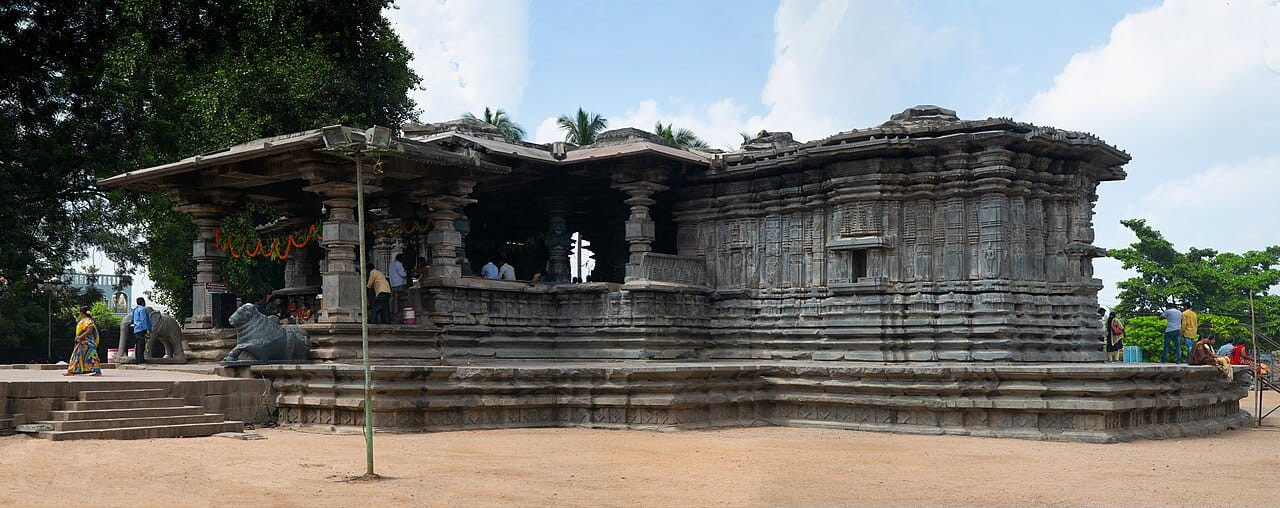
Telangana
Thousand Pillar Temple
A 12th-century Kakatiya masterpiece dedicated to Shiva, Vishnu, and Surya, famous for its perforated stone screens.
Explore Temple

Tamil Nadu
Pancha Rathas
The Pancha Rathas (Five Chariots) are a set of five monolithic temple structures carved from single granite outcrops during the reign of Narasimhavarman I (Mamalla, 630-668 CE) in Mahabalipuram.
Explore Temple

Tamil Nadu
Vaikuntha Perumal Temple
Built by the Pallava king Nandivarman II in the 8th century (circa 770 CE), the Vaikuntha Perumal Temple in Kanchipuram is a key monument of Pallava architecture featuring three tiers…
Explore Temple
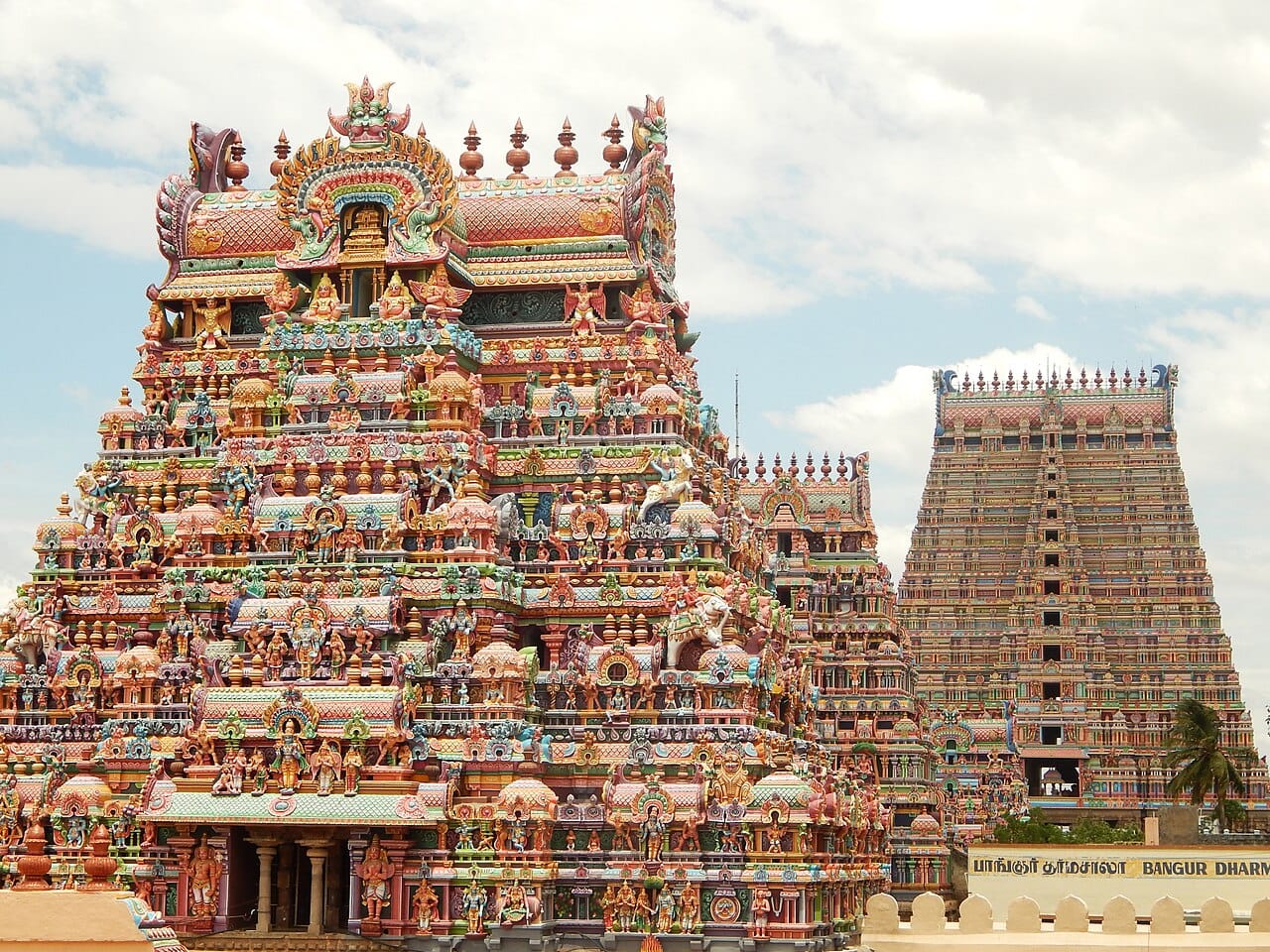
Tamil Nadu
Sri Ranganathaswamy Temple
The largest functioning Hindu temple in the world, a temple-city spanning 156 acres with seven concentric walls, 21 gopurams, and the foremost of the 108 Divya Desams.
Explore Temple
Rajasthan
Shrinathji Temple
A major Vaishnavite shrine housing a 12th-century idol of Krishna, central to the Pushtimarg tradition.
Explore Temple
Nagaland
ISKCON Temple
A spiritual hub in Dimapur offering regular kirtans, discourses, and vegetarian prasadam to followers and visitors.
Explore Temple
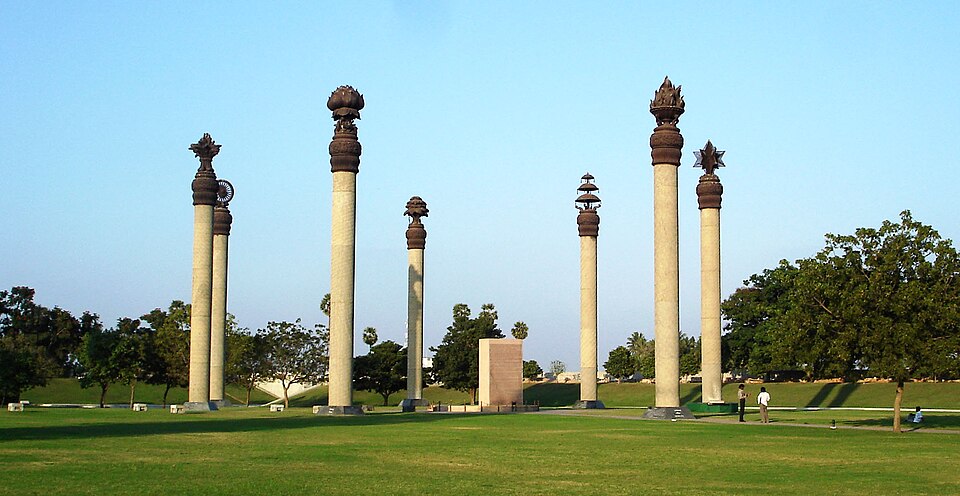
Mizoram
Sri Lakshmi Narayan Temple
A beautiful white-marbled temple in Aizawl dedicated to Goddess Lakshmi and Lord Narayan, known for its tranquil atmosphere.
Explore Temple
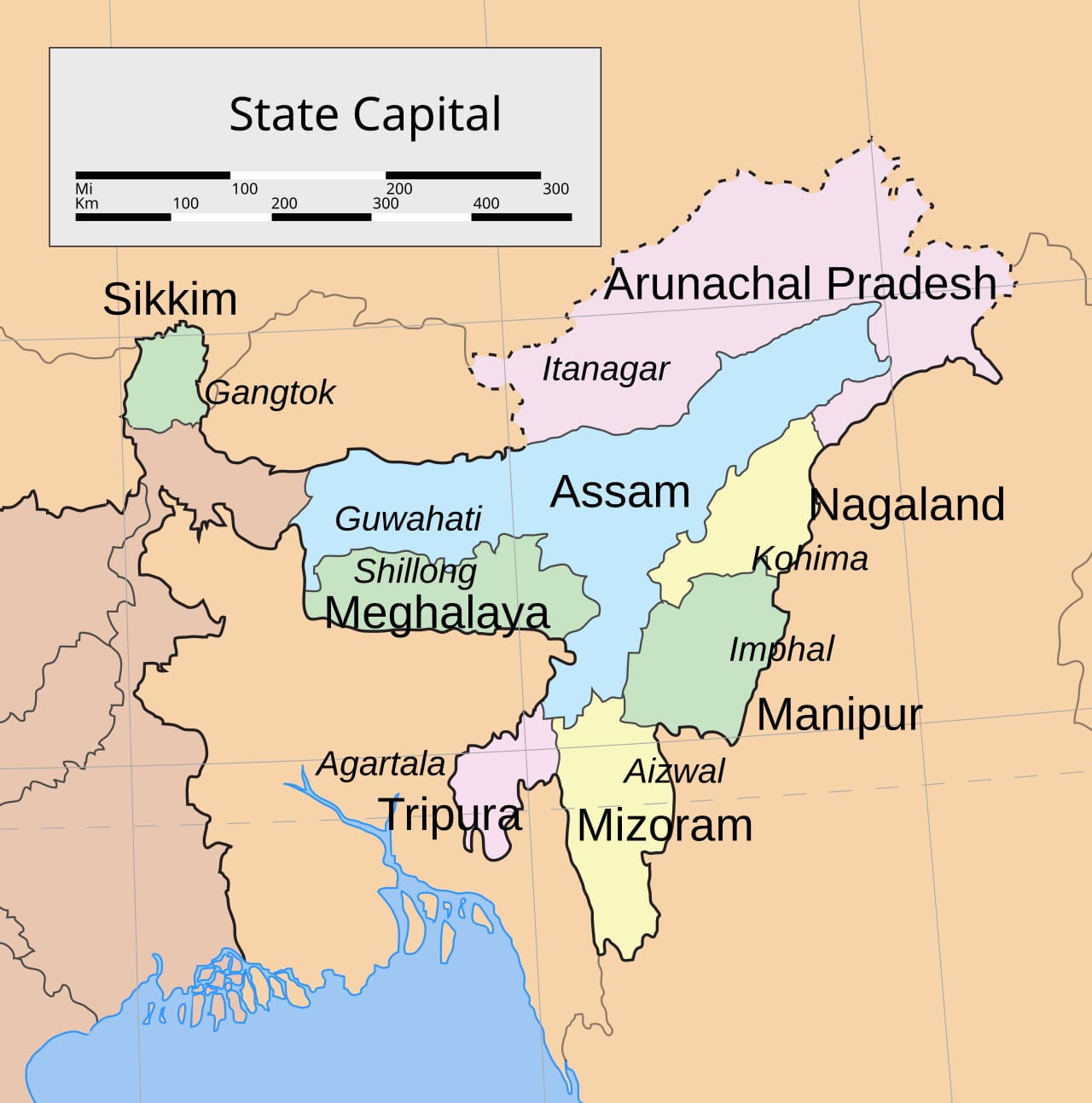
Mizoram
ISKCON Temple
A vibrant center for the Hare Krishna movement in Mizoram, promoting spiritual education and community service.
Explore Temple
Meghalaya
Jagannath Temple
A serene temple in the heart of Shillong, serving as a spiritual center for the local community with traditional rituals.
Explore Temple
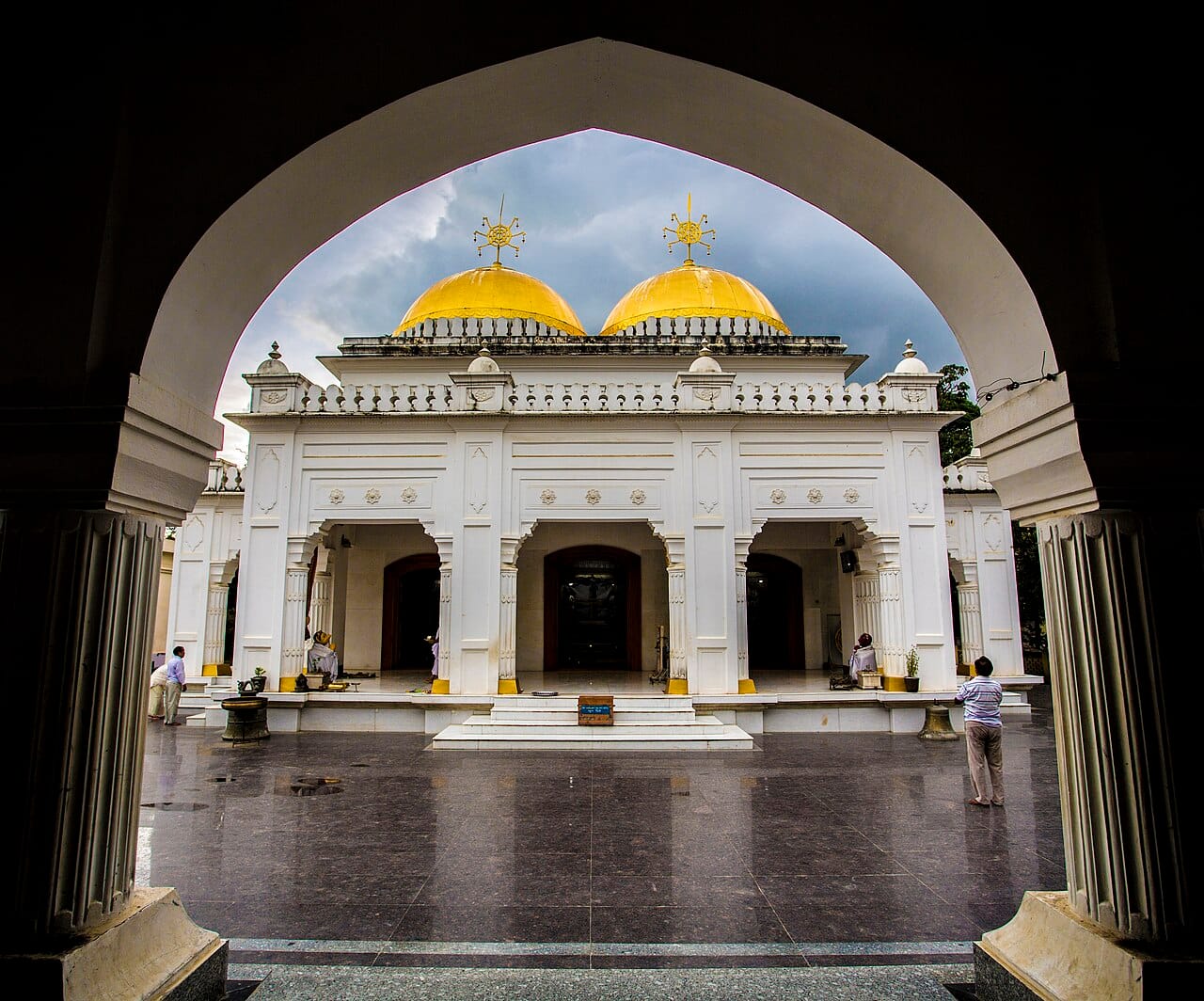
Manipur
Shree Govindajee Temple
Explore Temple
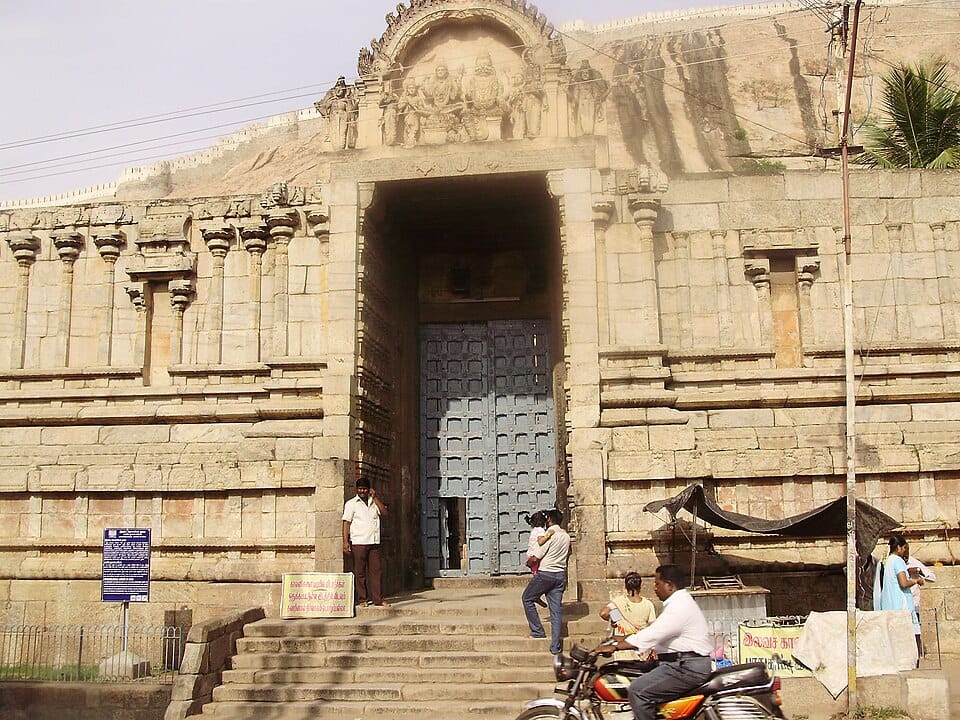
Manipur
Mahabali Temple
An 18th-century temple dedicated to Lord Hanuman, situated within the sacred 'Mahabali Umang' grove along the Imphal River in Manipur.
Explore Temple
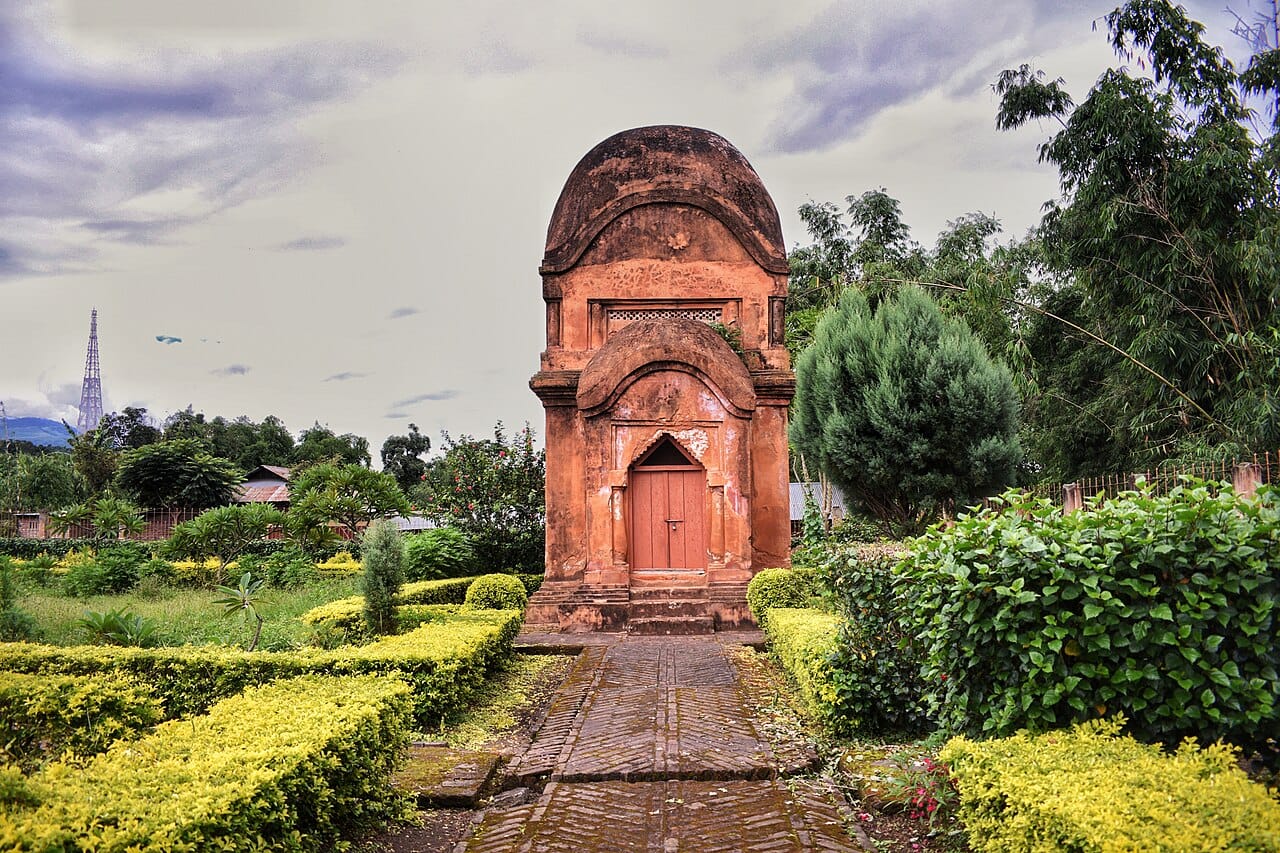
Manipur
Vishnu Temple
Explore Temple
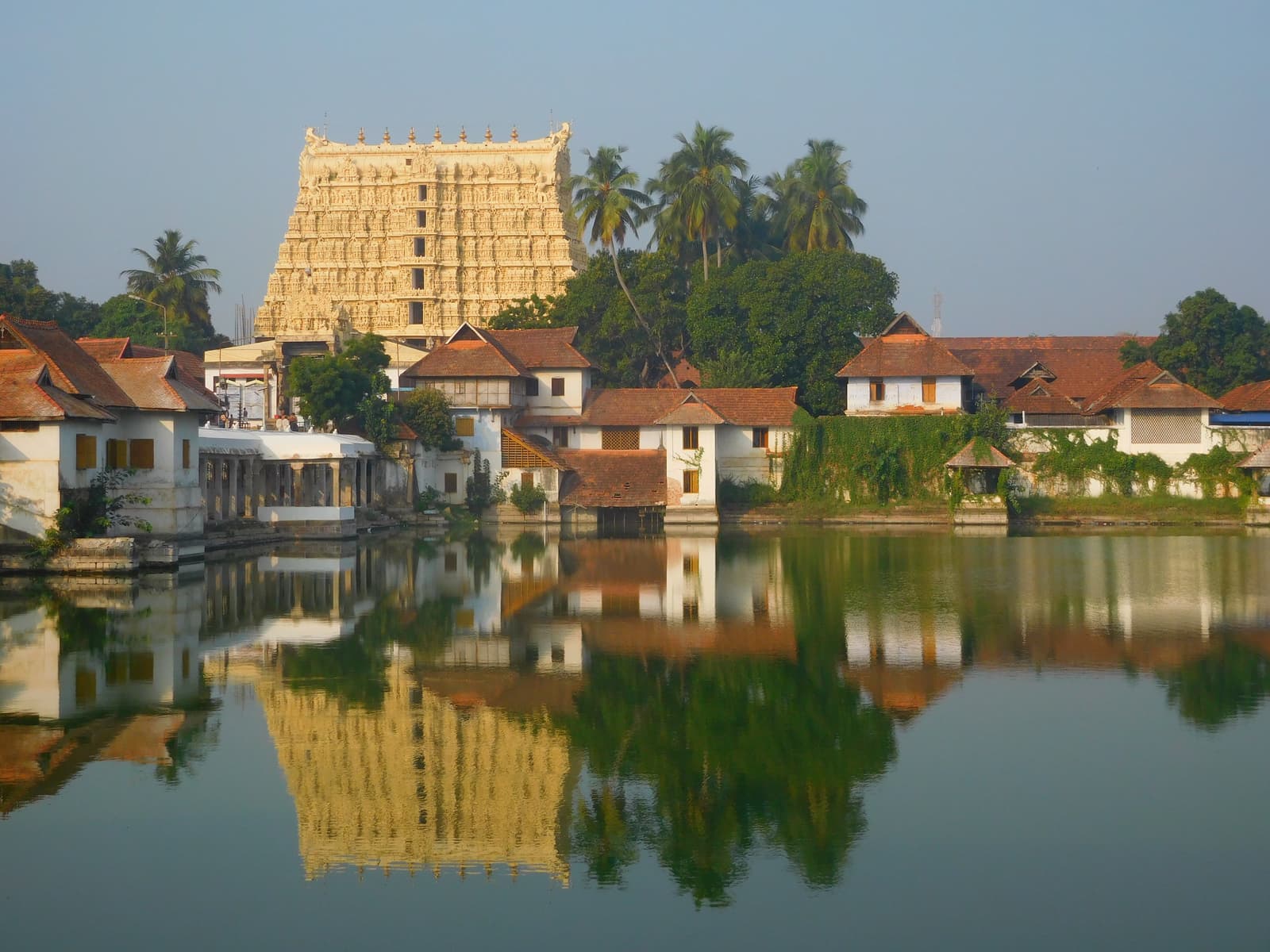
Kerala
Padmanabhaswamy Temple
The wealthiest religious institution in the world, this ancient temple houses a massive 18-foot reclining Vishnu visible through three doors and a 7-tier gopuram with equinox sun alignment.
Explore Temple
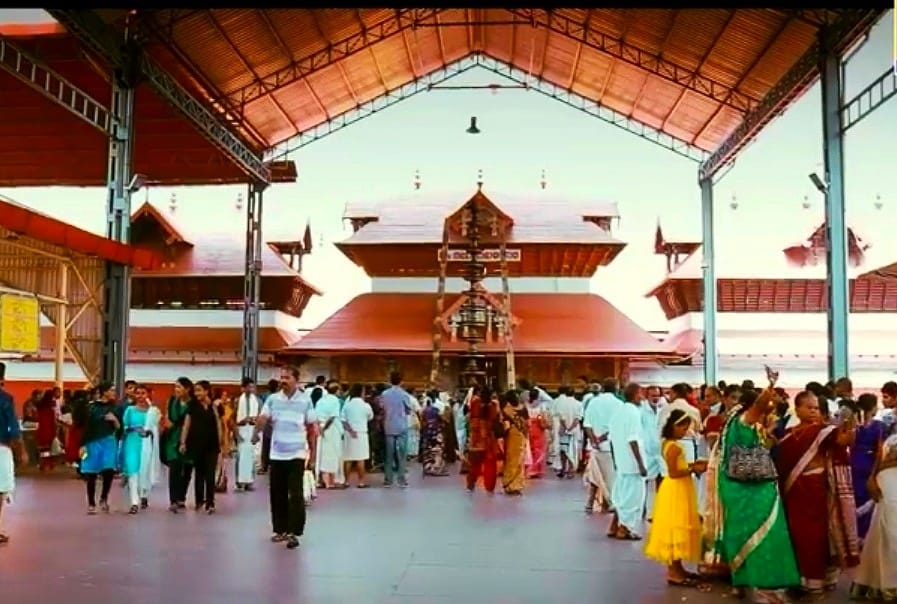
Kerala
Guruvayur Sri Krishna Temple
Known as 'Bhuloka Vaikuntha', this is a sacred Krishna temple in India, famous for its strict rituals and elephant sanctuary.
Explore Temple
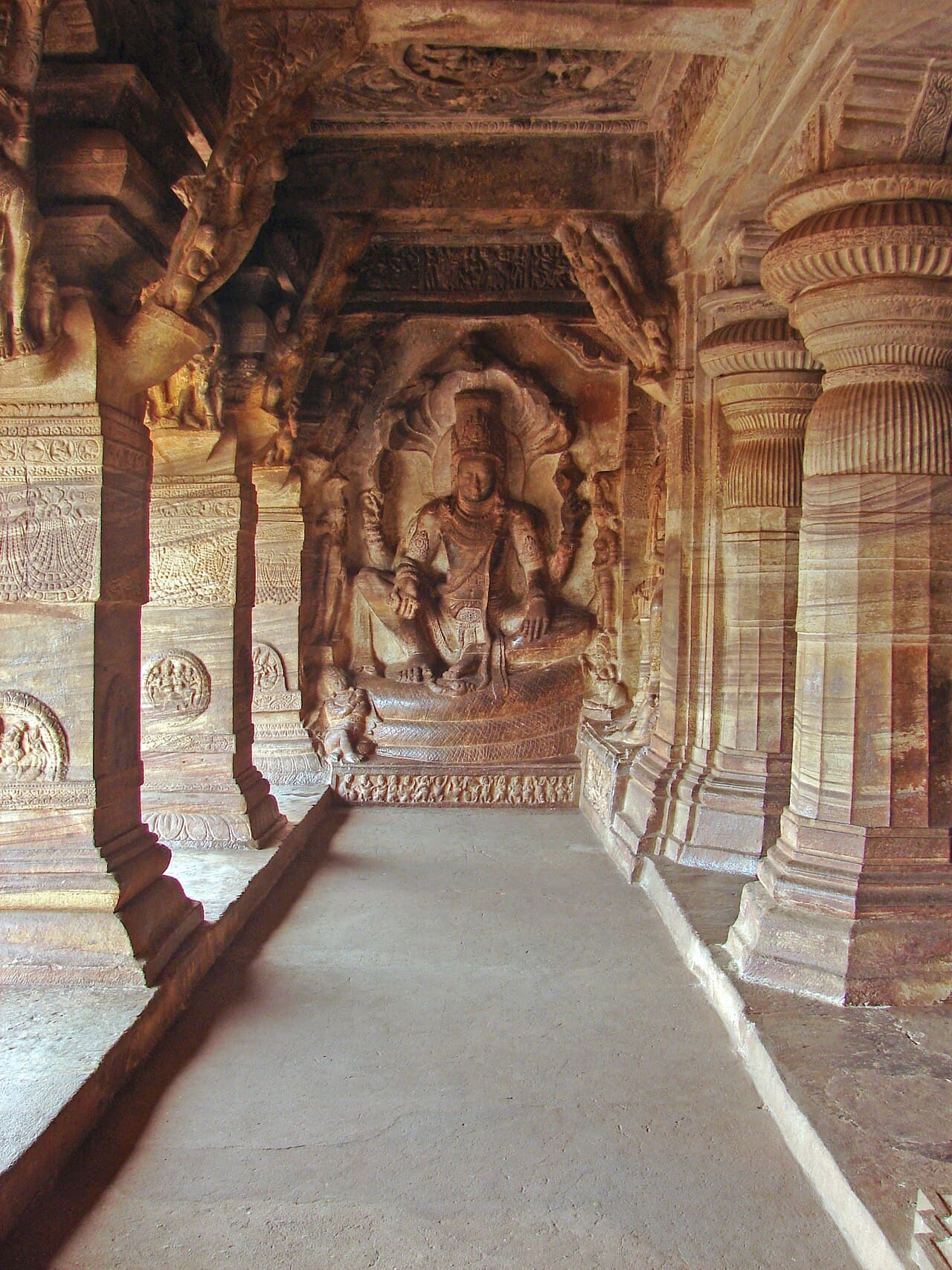
Karnataka
Badami Cave Temples
The Badami Cave Temples are a complex of four rock-cut cave temples carved into the soft sandstone cliffs of Badami, the capital of the Early Chalukya dynasty.
Explore Temple

Karnataka
Keshava Temple
The Keshava Temple at Somanathapura, built in 1268 CE by Somanatha Dandanayaka, a general of the Hoysala king Narasimha III, is one of the finest surviving examples of Hoysala architecture.
Explore Temple
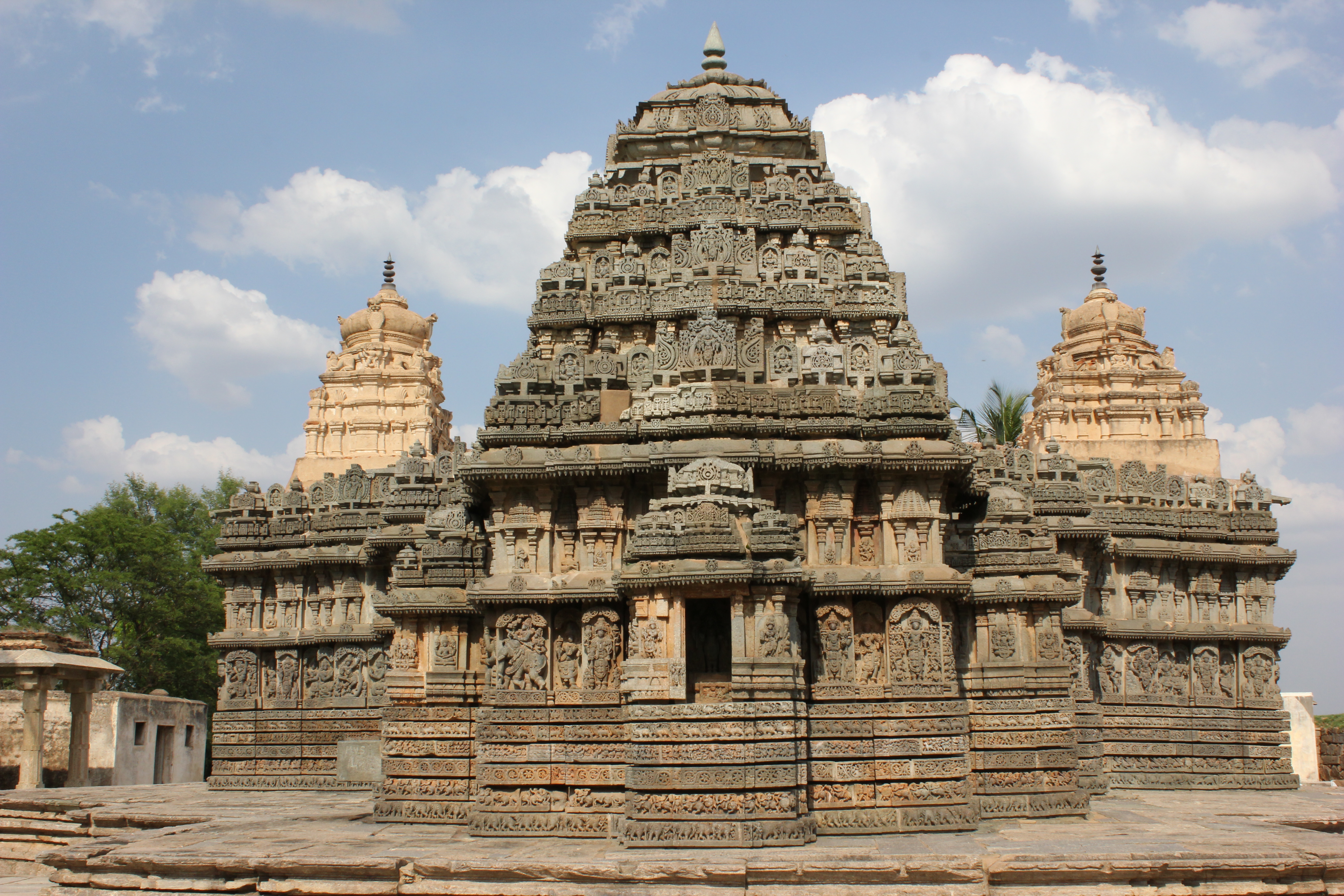
Karnataka
Lakshminarasimha Temple
The Lakshminarasimha Temple at Nuggehalli, built in 1246 CE by the Hoysala king Vira Someshwara, is a well-preserved example of Hoysala architecture dedicated to Lord Narasimha (the half-man half-lion avatar…
Explore Temple

Karnataka
Hazara Rama Temple
The Hazara Rama Temple (meaning 'Thousand Ramas') in Hampi served as the royal chapel of the Vijayanagara kings.
Explore Temple

Karnataka
Krishna Temple
The Krishna Temple in Hampi was built in 1515 CE by the Vijayanagara emperor Krishnadevaraya to commemorate his successful military campaign against the Gajapati kingdom of Odisha.
Explore Temple

Karnataka
Achyutaraya Temple
The Achyutaraya Temple, built in 1534 CE during the reign of the Vijayanagara emperor Achyutaraya (1530-1542 CE), is one of the largest and most impressive temple complexes in Hampi's sacred…
Explore Temple

Karnataka
Vittala Temple
The Vittala Temple is the crowning architectural achievement of the Vijayanagara Empire.
Explore Temple
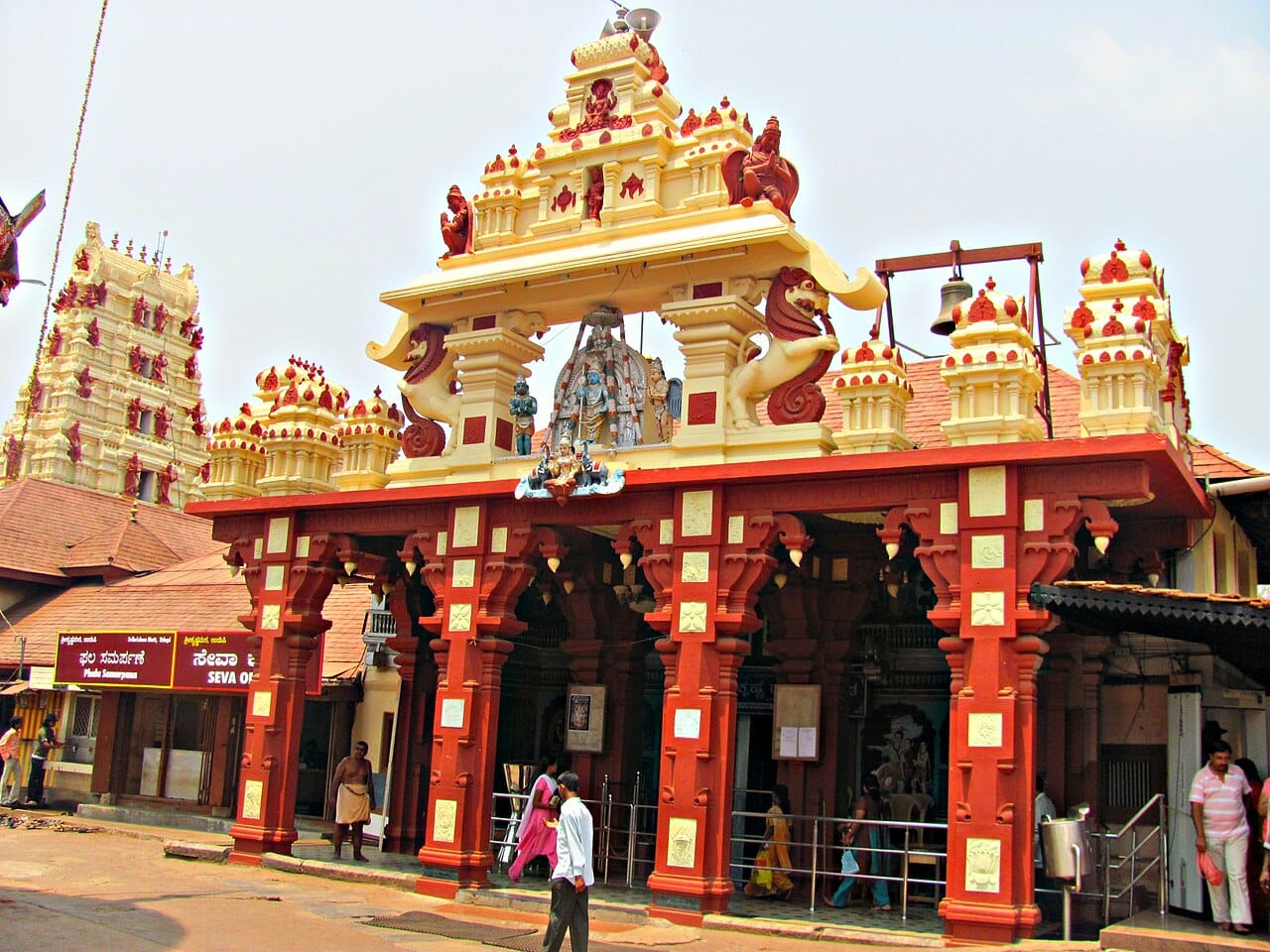
Karnataka
Udupi Sri Krishna Temple
A world-famous 13th-century temple where the deity is worshipped through a silver-plated window with nine holes, known as Kanakana Kindi.
Explore Temple
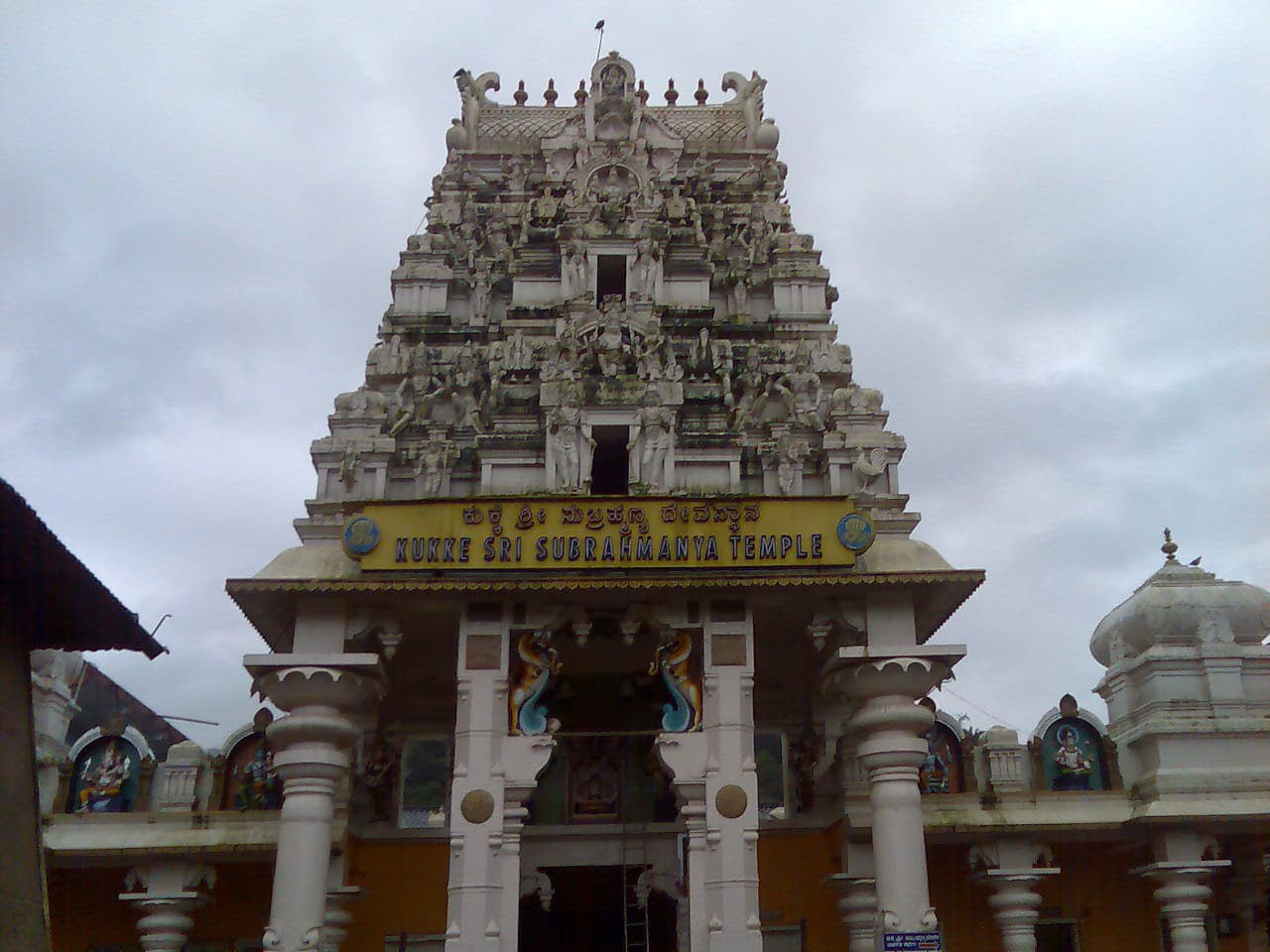
Karnataka
Kukke Subramanya Temple
A world-renowned temple where Lord Subramanya is worshipped as the lord of all serpents, famous for Sarpa Dosha Nivaran rituals.
Explore Temple
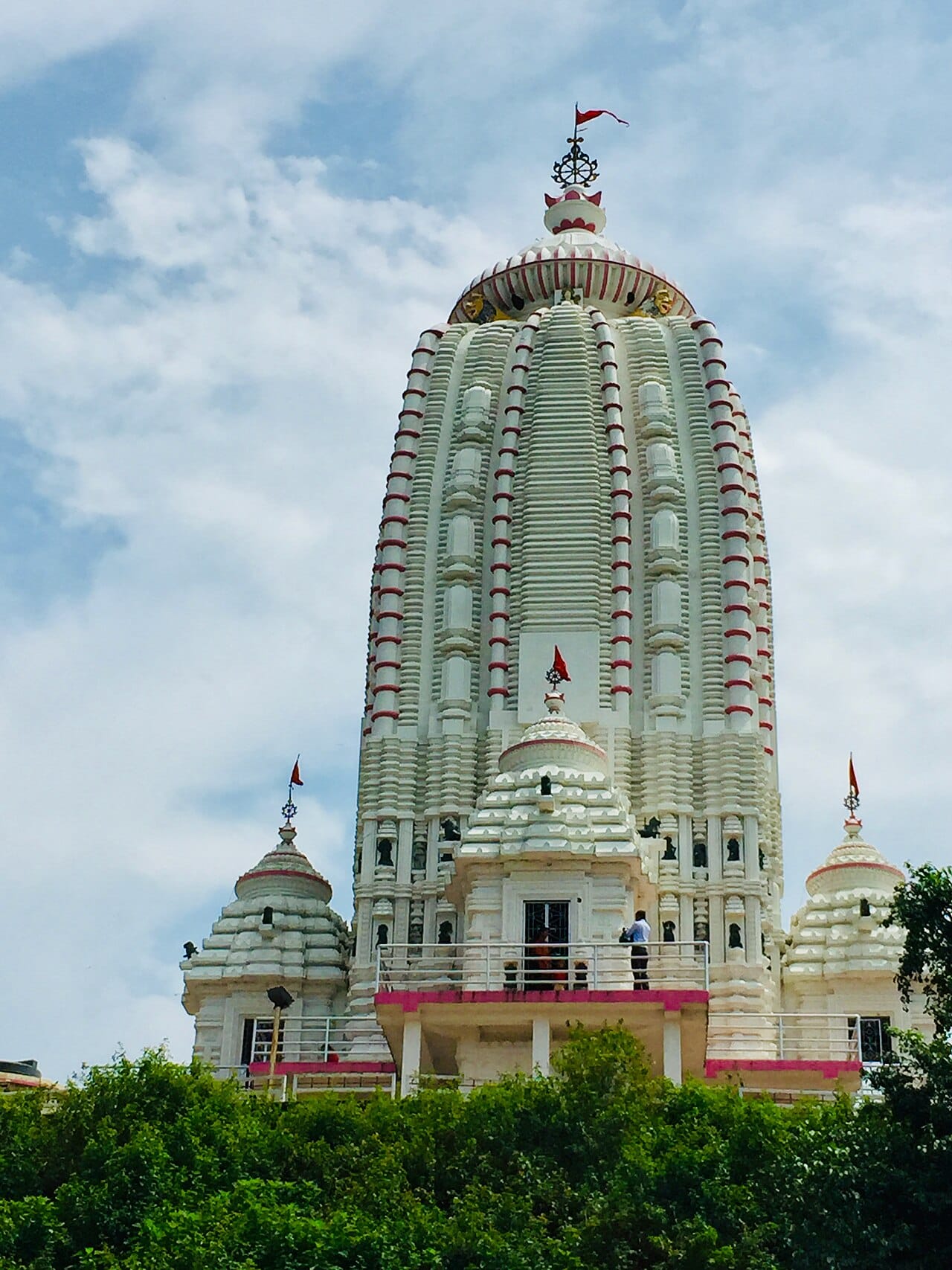
Jharkhand
Jagannath Temple
A prominent 17th-century hilltop temple in Ranchi, echoing the spiritual grandeur and Rath Yatra traditions of Puri.
Explore Temple
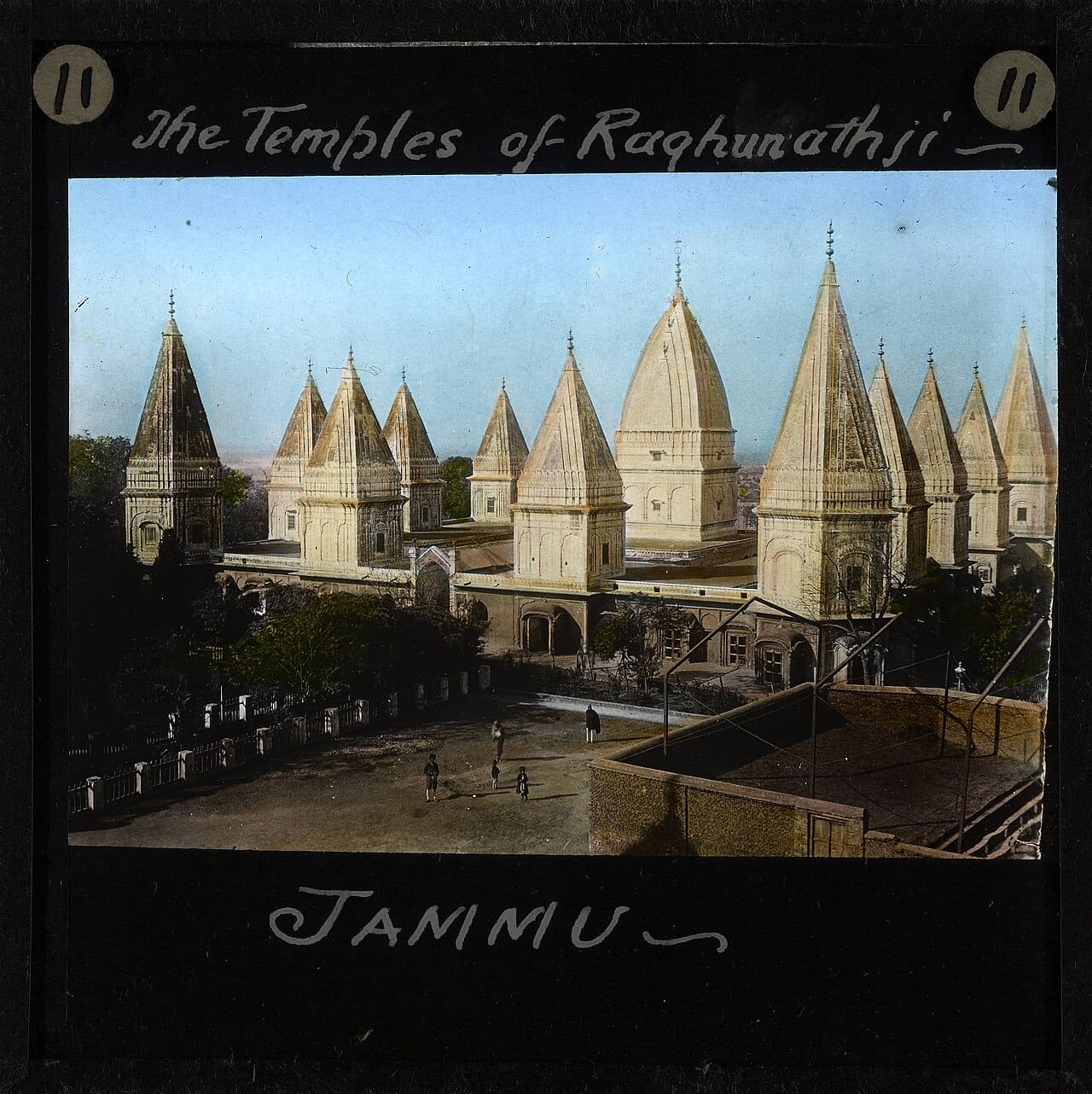
Jammu & Kashmir
Raghunath Temple
One of the largest temple complexes in North India, featuring seven gold-plated shikharas and thousands of Saligramas.
Explore Temple
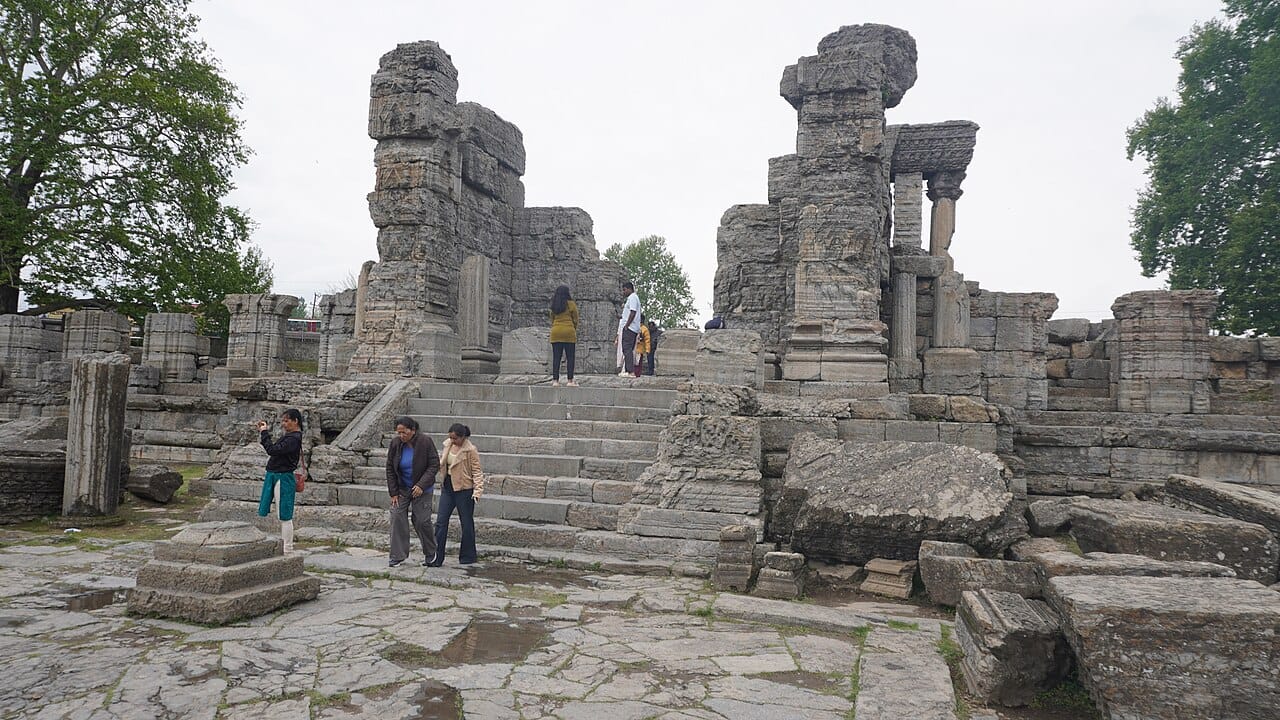
Jammu & Kashmir
Avantiswami Temple Ruins
9th-century Vishnu shrine built by King Avantivarman at Awantipora, featuring a 69-cell colonnaded peristyle, fluted columns, trefoil arches, and Vaikuntha Vishnu sculptures excavated by the ASI in 1913.
Explore Temple
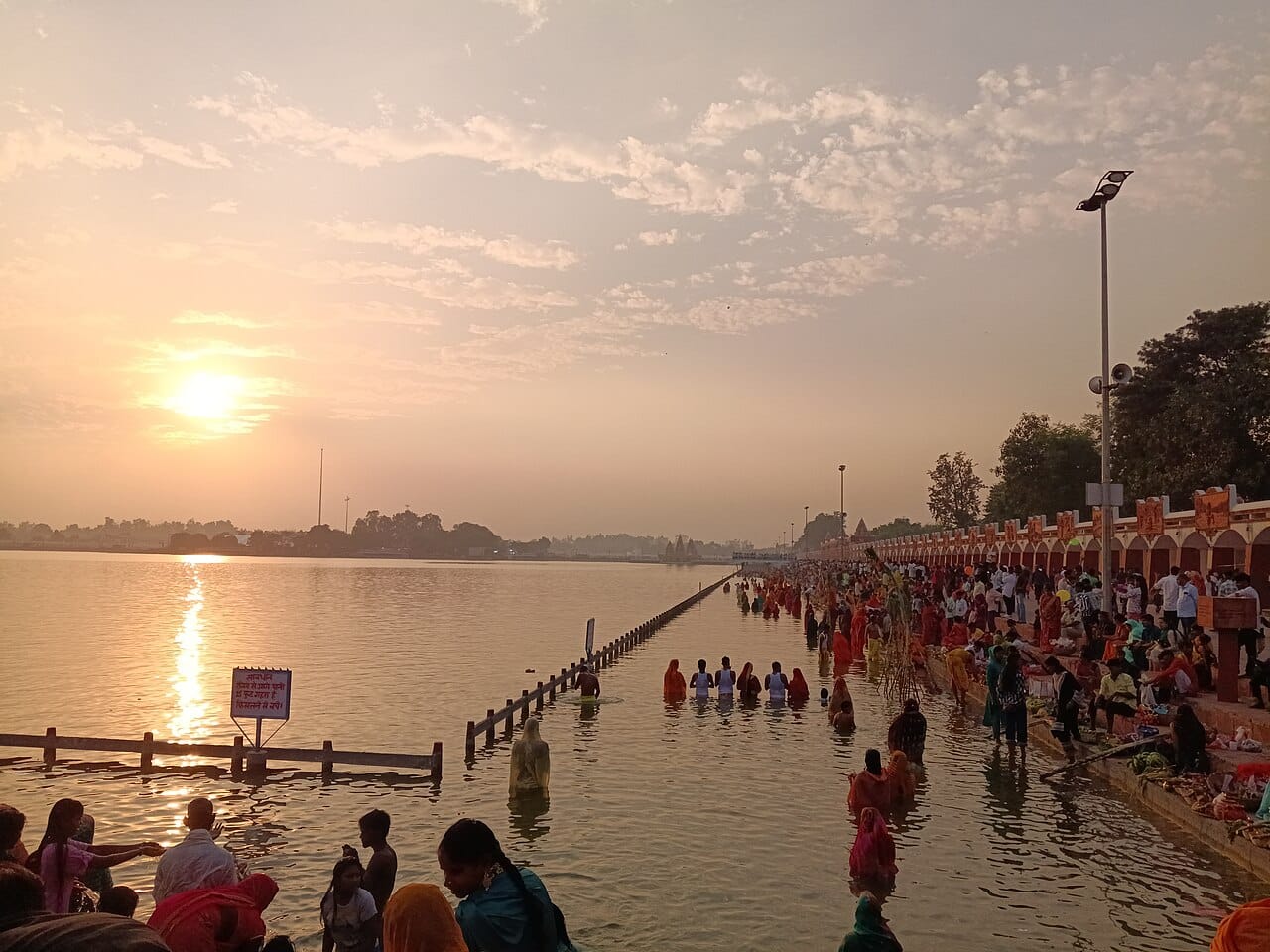
Haryana
Brahma Sarovar
A magnificent ancient water tank in Kurukshetra, deeply tied to the Mahabharata and the creation of the universe by Lord Brahma.
Explore Temple
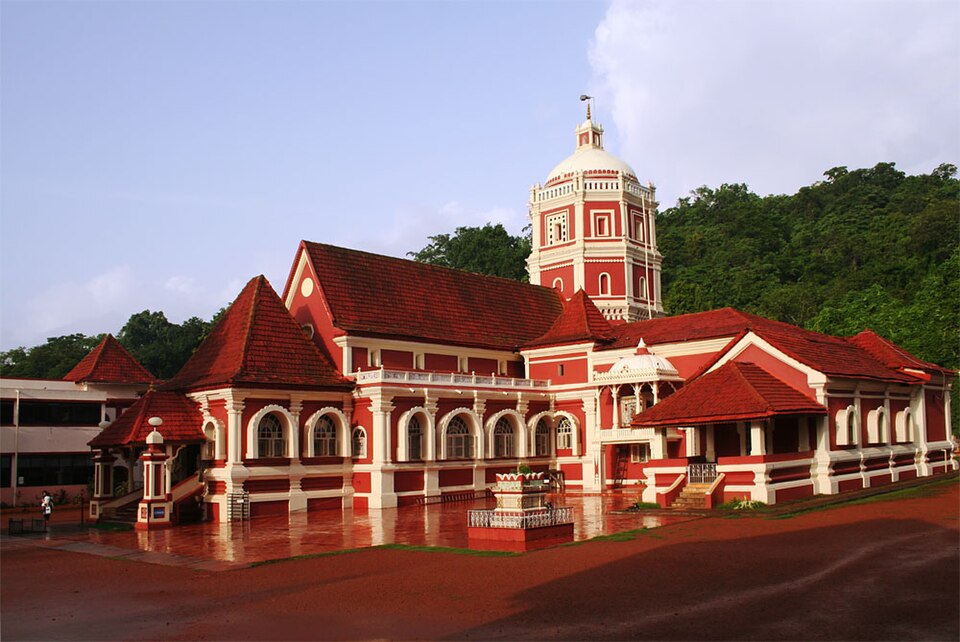
Goa
Shanta Durga Temple
A premier Shakti shrine in Goa, dedicated to the peaceful manifestation of Durga who mediated between Shiva and Vishnu, featuring unique Indo-Portuguese architecture.
Explore Temple
Goa
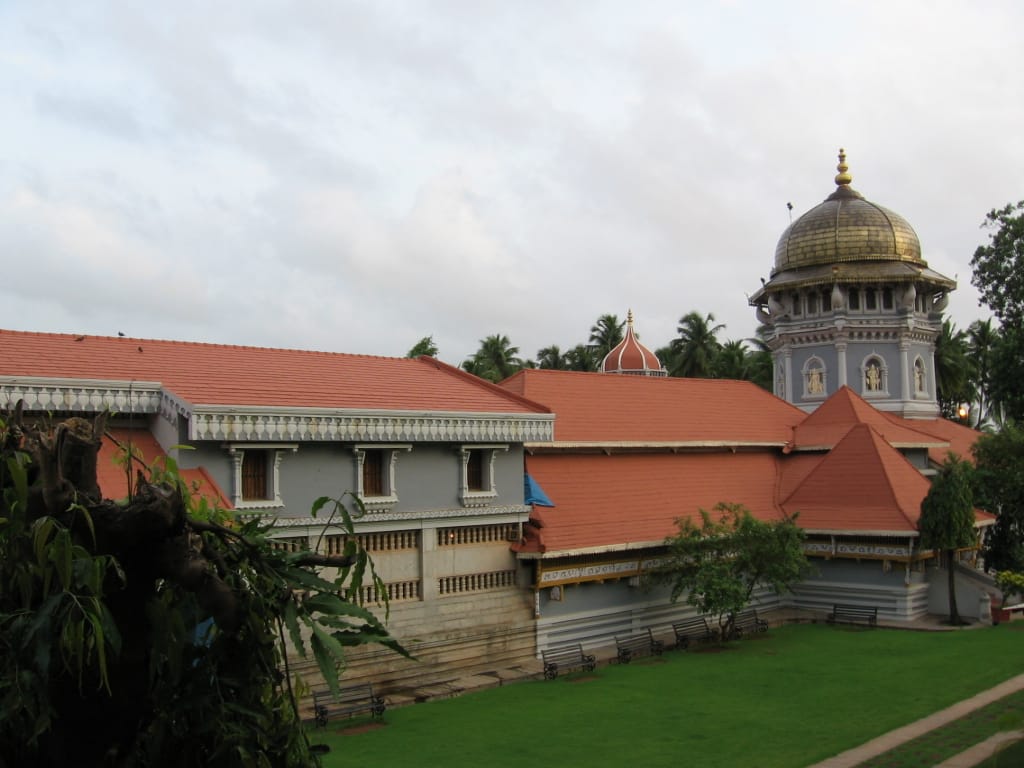
Mahalasa Narayani Temple
A unique and ancient shrine dedicated to the Mohini avatar of Lord Vishnu, famous for its 21-story brass Deepastambha and its history of survival during the Portuguese Inquisition.
Explore Temple
Gujarat
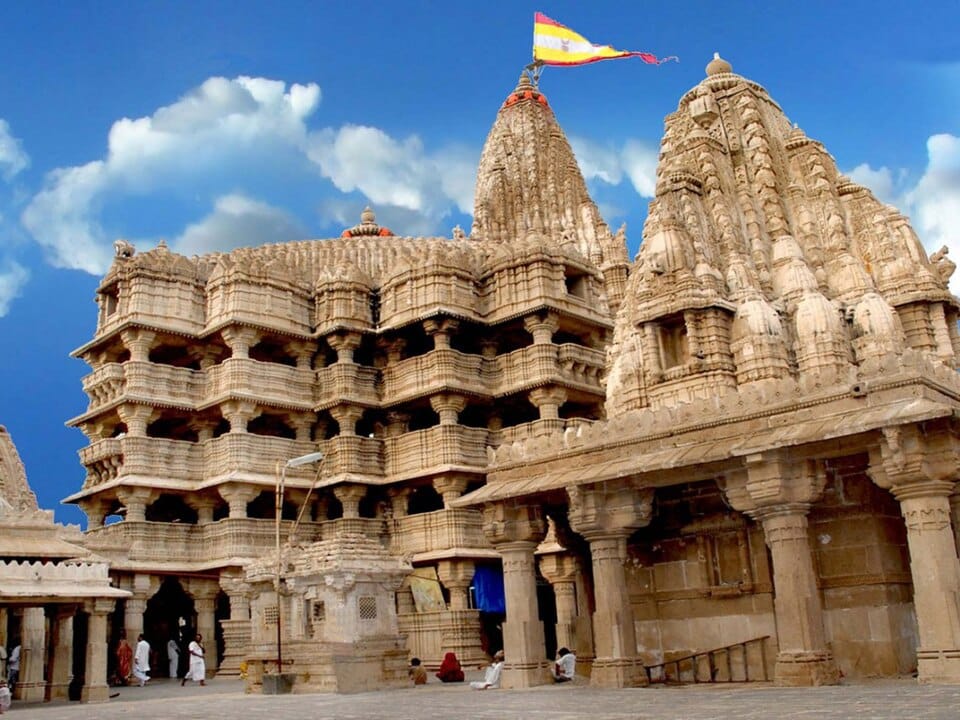
Dwarkadhish Temple
The westernmost of the four Char Dham pilgrimage sites, Dwarkadhish Temple marks the legendary kingdom of Lord Krishna in the ancient city of Dwarka.
Explore Temple
Chhattisgarh
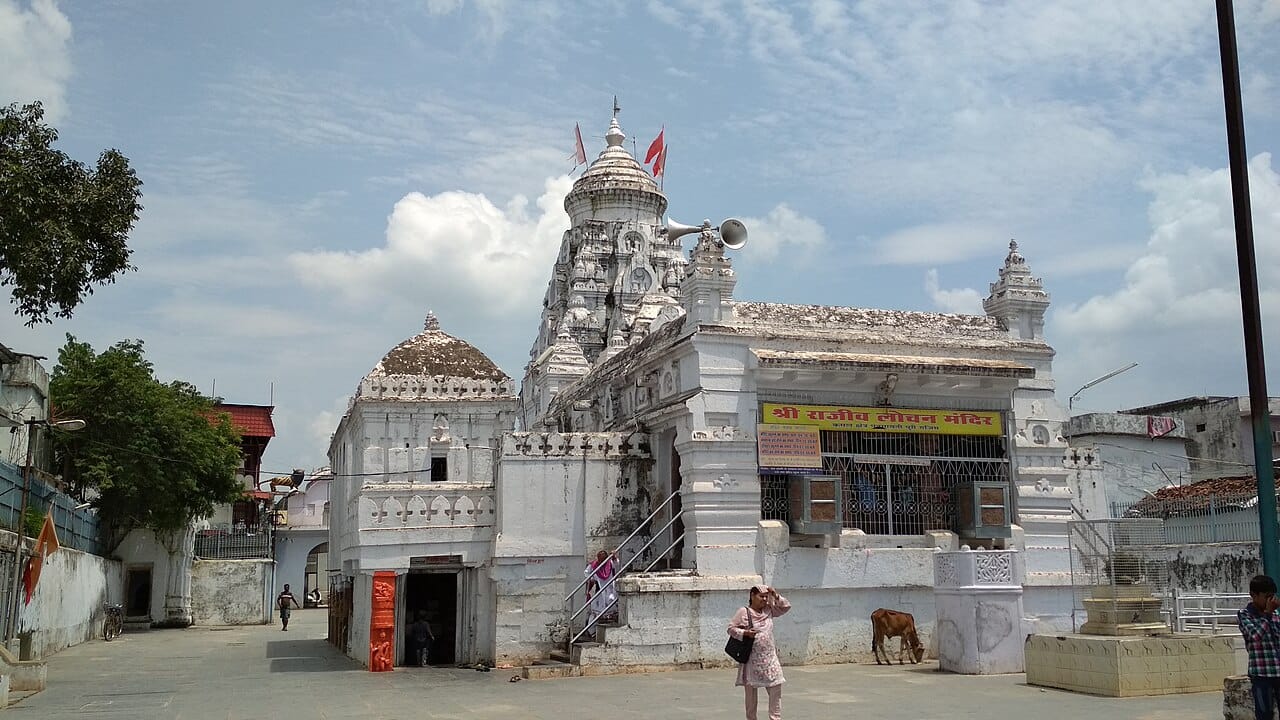
Rajiv Lochan Temple
A magnificent 7th-century Vishnu temple situated at the holy confluence of three rivers, known as the 'Prayag of Chhattisgarh' and famous for its Nala dynasty architecture.
Explore Temple
Karnataka
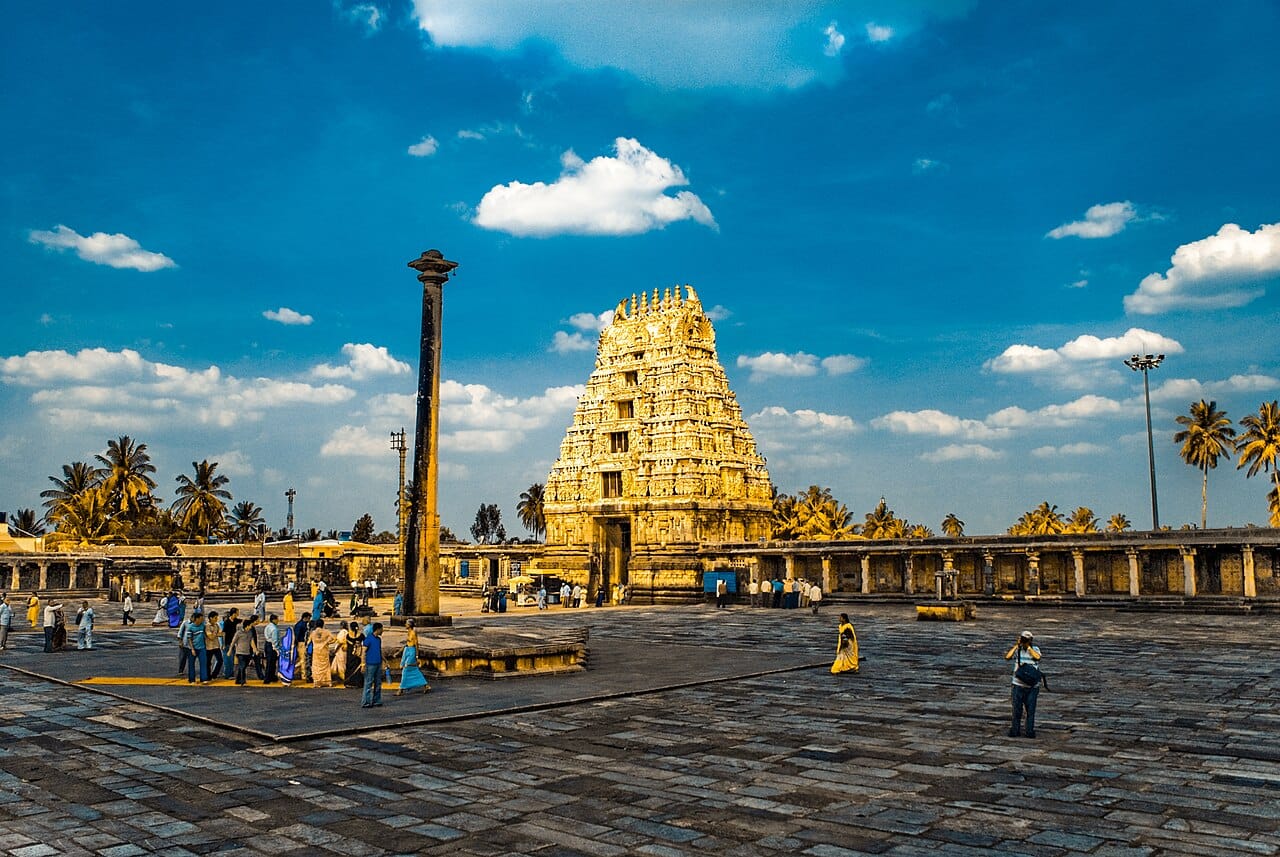
Chennakesava Temple
The Chennakesava Temple in Belur, Karnataka, is the finest example of Hoysala architecture, dedicated to Lord Vishnu as Chennakesava, built in the 12th century.
Explore Temple
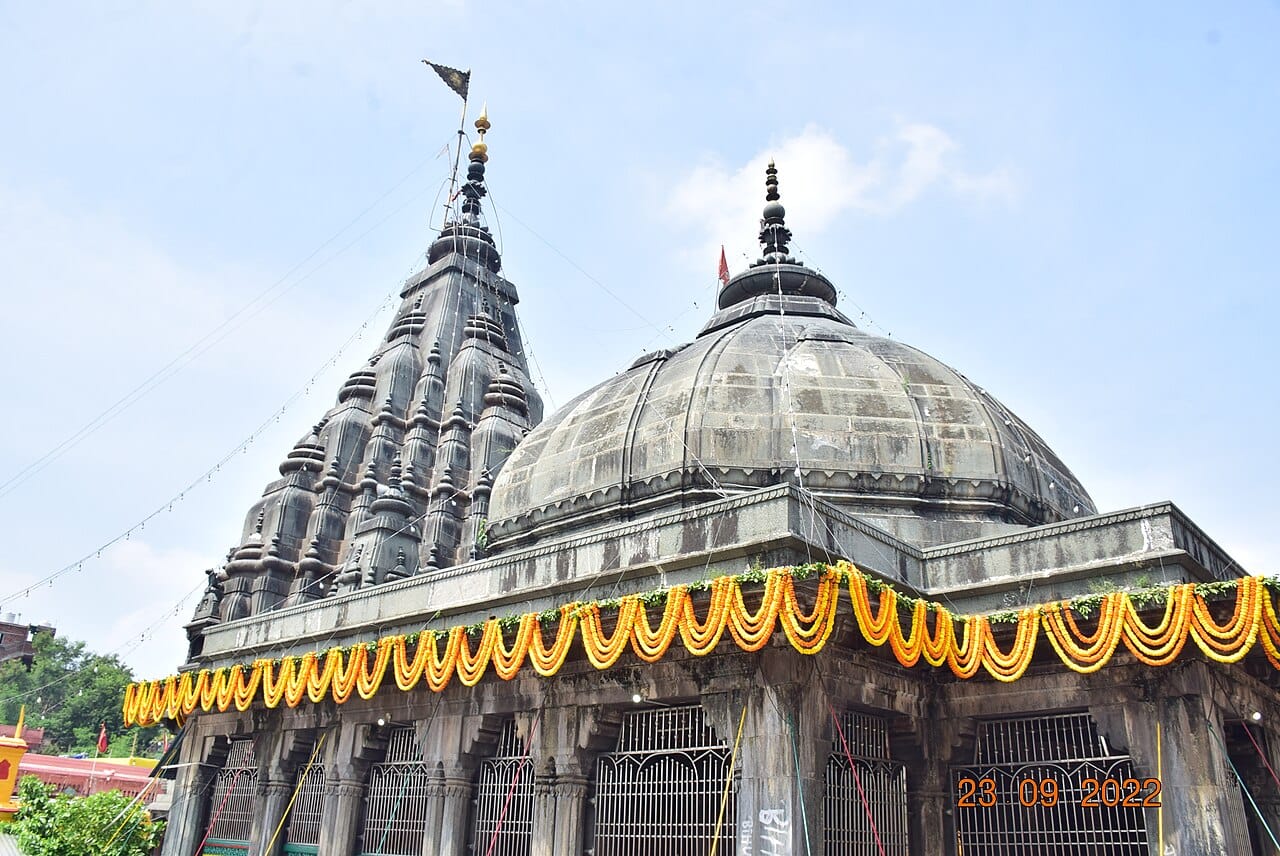
Bihar
Vishnupad Temple
Famous for the 40cm footprint of Lord Vishnu imprinted on solid rock, a major center for Pinda Daan rituals.
Explore Temple
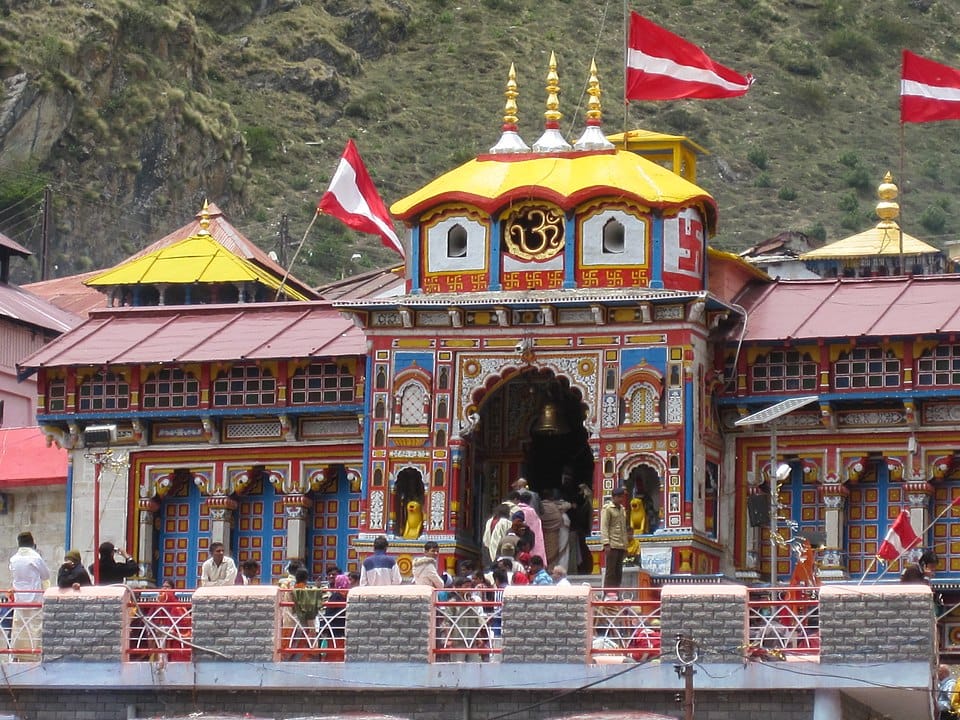
Uttarakhand
Badrinath Temple
Badrinath Temple, dedicated to Lord Vishnu, is a principal Char Dham site and one of the most sacred Vaishnava temples in India, located in the Garhwal Himalayas of Uttarakhand.
Explore Temple
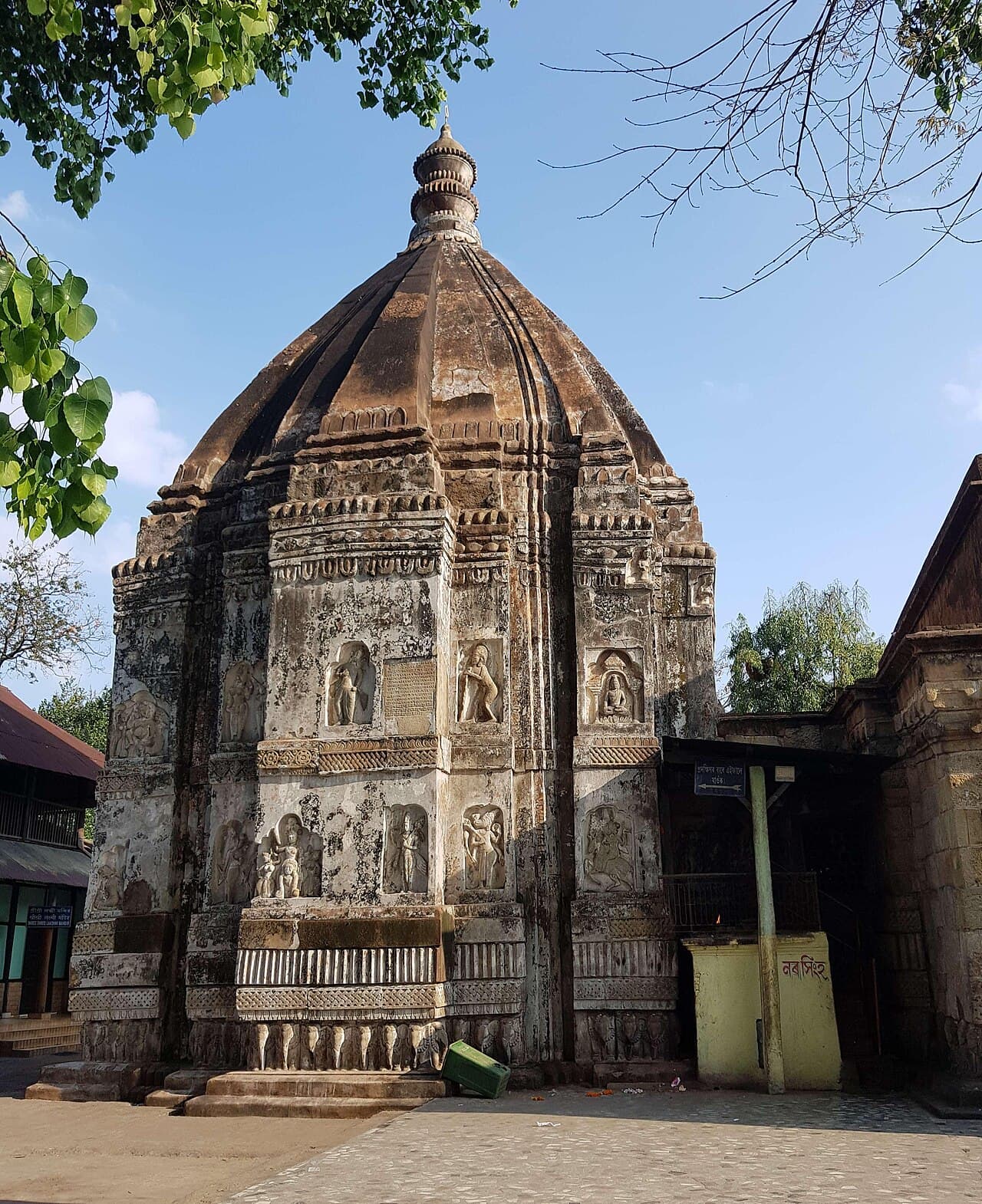
Assam
Hayagriva Madhava Temple
A unique 16th-century stone temple on Monikut Hill, sacred to both Hindus and Buddhists, known for its ancient carvings and sacred turtles.
Explore Temple
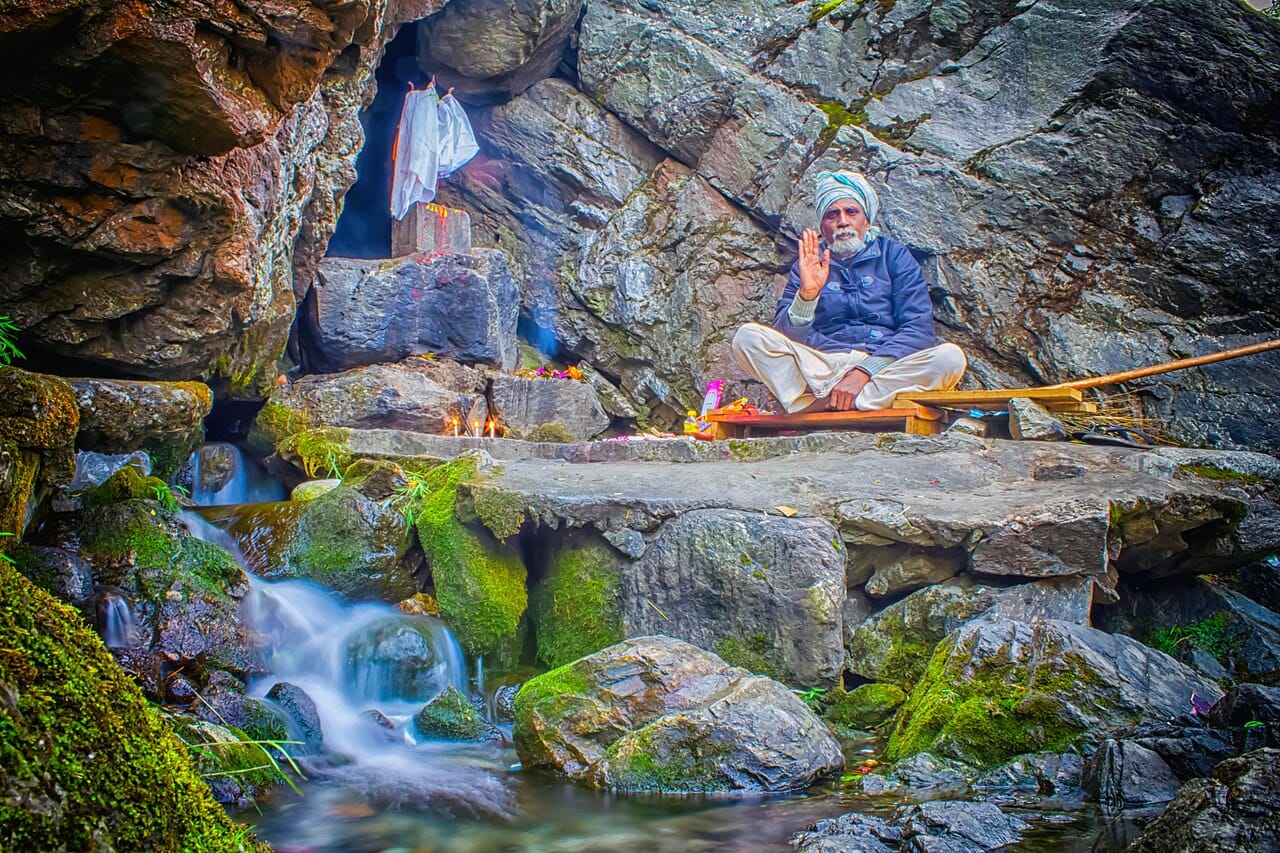
Arunachal Pradesh
Parshuram Kund
A sacred Hindu pilgrimage site on the Lohit River, where Lord Parshurama is believed to have washed away his sins in the holy waters.
Explore Temple
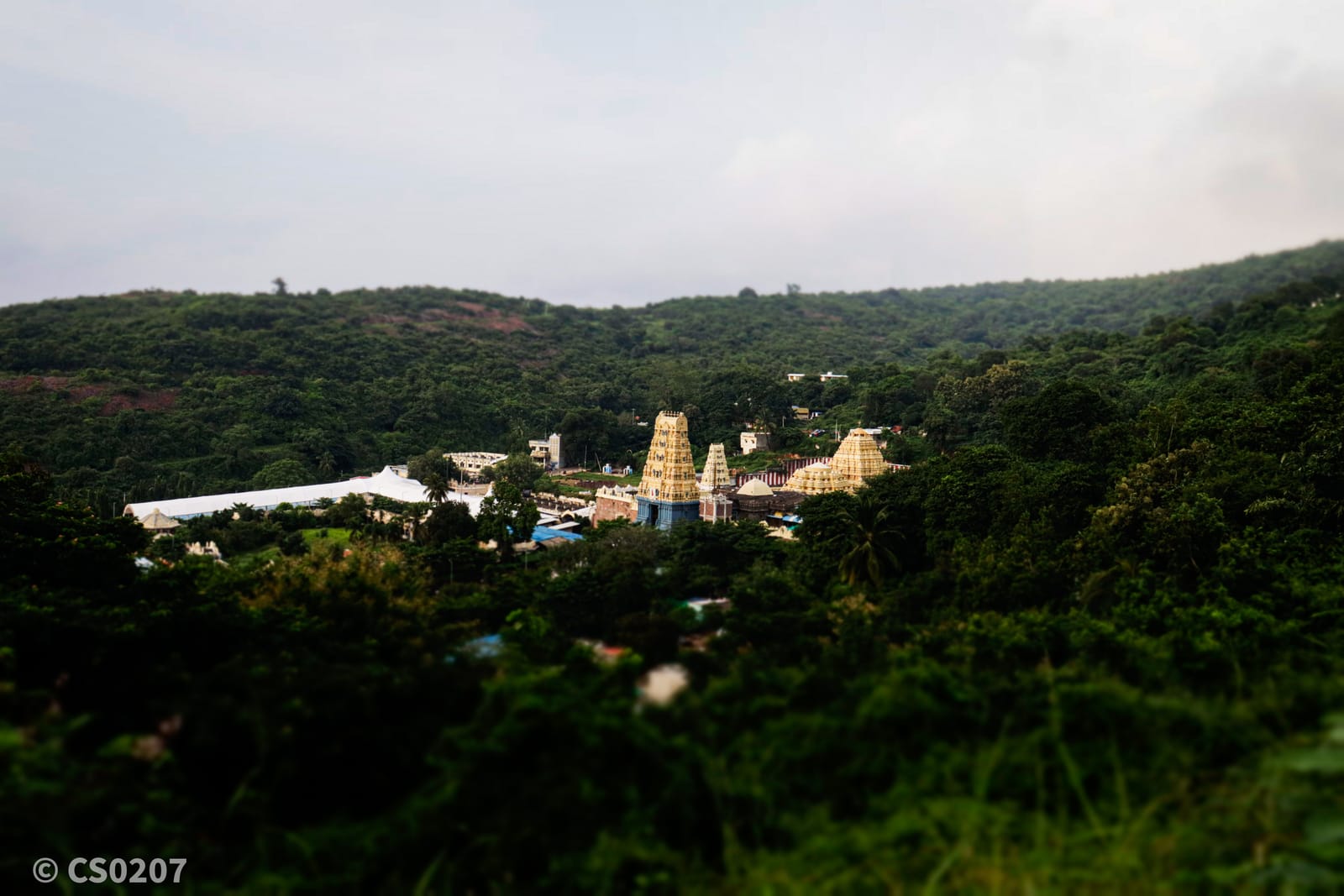
Andhra Pradesh
Simhachalam Temple
Simhachalam Temple, also known as Sri Varaha Lakshmi Narasimha Temple, is a historic Hindu temple dedicated to Lord Narasimha, the half-man half-lion avatar of Vishnu.
Explore Temple
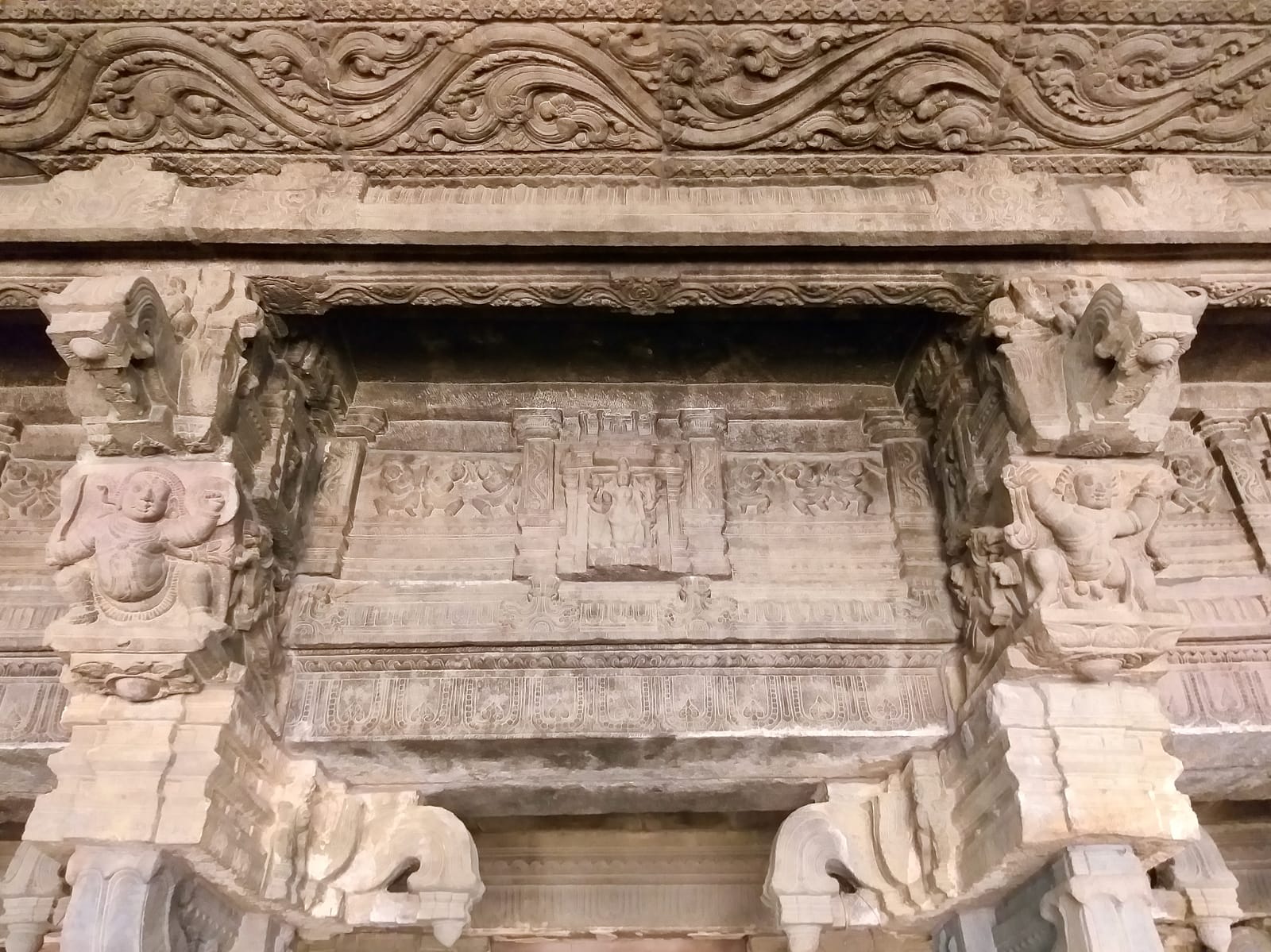
Andhra Pradesh
Ahobilam Narasimha Temple
Ahobilam, situated in the dense Nallamala forest of Kurnool district, is the sacred landscape where Lord Narasimha — the half-man, half-lion avatar of Vishnu — is believed to have manifested…
Explore Temple
Andhra Pradesh
Tirumala Venkateswara Temple
Tirumala Venkateswara Temple, situated in the hill town of Tirumala in Tirupati district, is dedicated to Lord Venkateswara, an incarnation of Vishnu.
Explore Temple
Chandigarh
ISKCON Chandigarh (Sri Sri Radha Madhava Temple)
A prominent Gaudiya Vaishnava temple in Chandigarh's Sector 36, enshrining deities of Sri Sri Radha Madhava and Sri Sri Pancha Tattva, renowned for vibrant kirtans, Sunday discourses, and Vedic cultural…
Explore Temple
Andaman & Nicobar
Sri Lakshmi Narayan Temple
Centrally located Nagara-style Vishnu temple in Aberdeen Bazaar, Port Blair, enshrining Lord Vishnu and Goddess Lakshmi with a graceful shikhara that serves as a prime community landmark for island residents.
Explore Temple
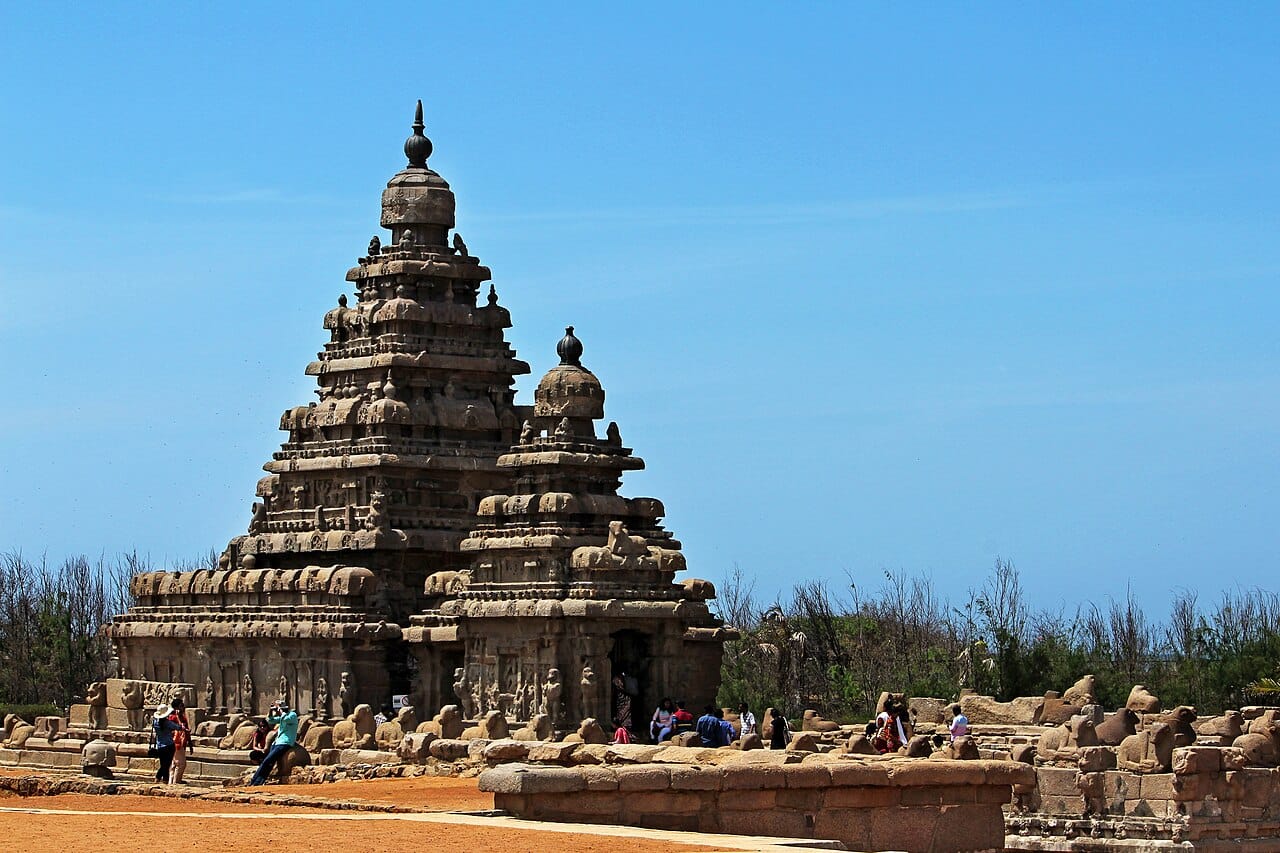
UNESCO 1984Cultural Heritage
Tamil Nadu
Shore Temple, Mahabalipuram
One of the oldest structural stone temples of South India, built by the Pallava dynasty on the Bay of Bengal coast.
Explore Temple
UNESCO 2021Cultural Heritage
Telangana
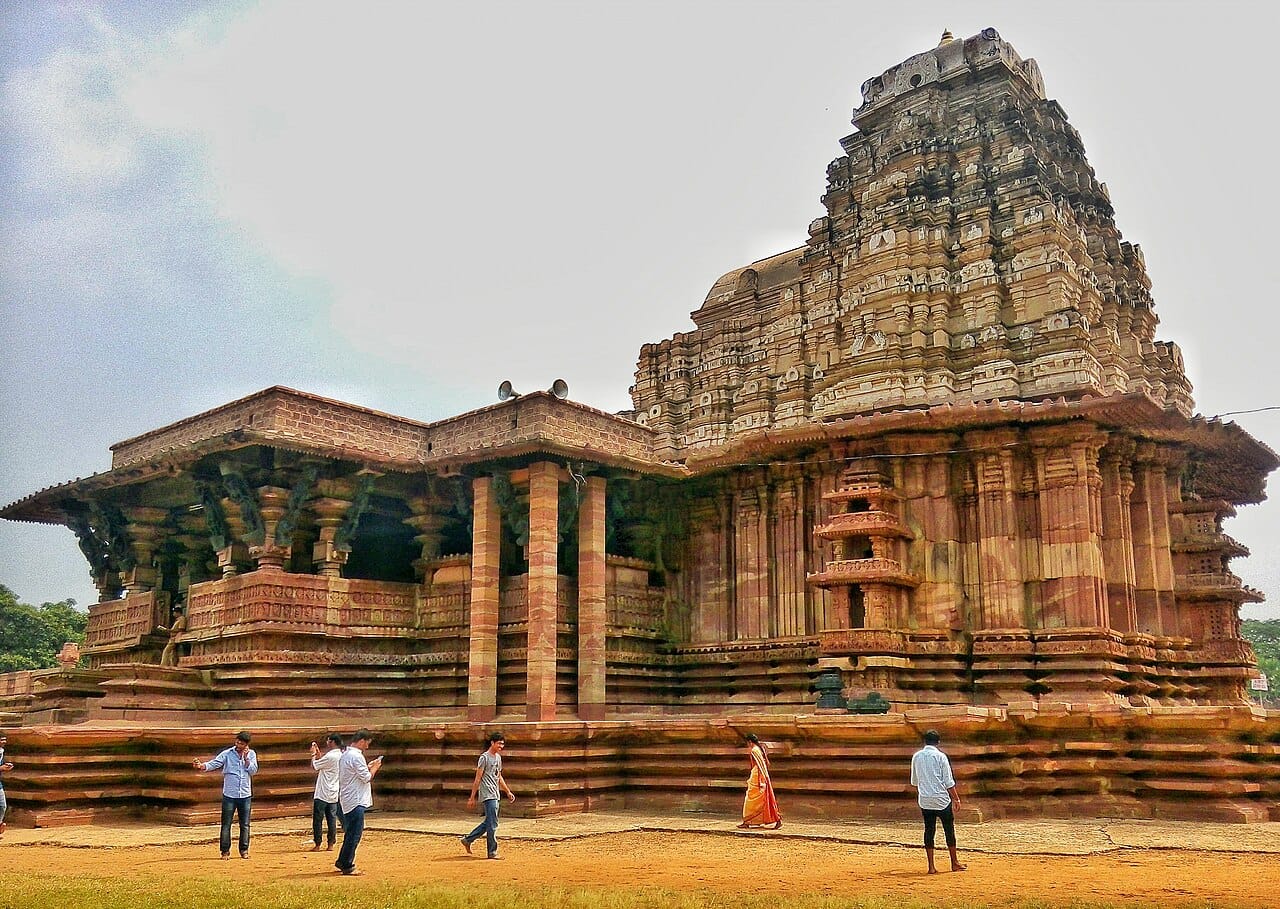
Ramappa Temple
A 13th-century Kakatiya temple famous for its floating bricks and intricate carvings, the newest UNESCO temple site in India.
Explore Temple
UNESCO 2023Cultural Heritage
Karnataka
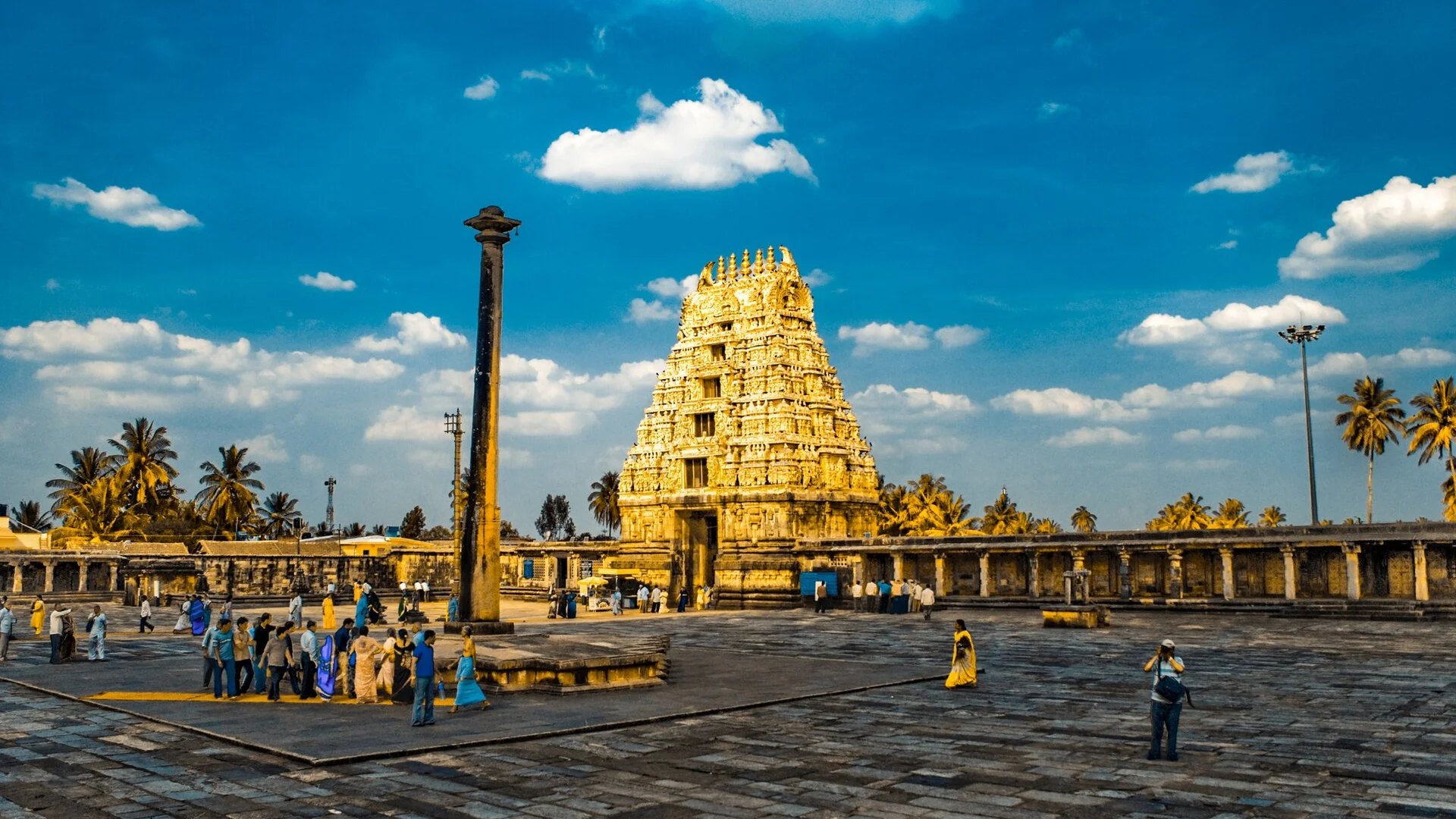
Sacred Ensembles of the Hoysalas — Chennakeshava Temple
A UNESCO World Heritage ensemble of three Hoysala temples known for their star-shaped platforms and hyper-real soapstone carvings.
Explore Temple
In-Depth Guide
Vishnu Temples Legacy
Vishnu temples in India represent a continuous tradition of worship spanning over two millennia, from the earliest Gupta-period shrines to the grand temple cities of South India. Vishnu, the preserver in the Hindu trinity, is worshipped in his various avatars: Rama, Krishna, Narasimha, Vamana, and in his transcendent forms as Venkateswara, Ranganatha, Padmanabha, and Varadaraja. The 108 Divya Desams, sacred sites glorified in the poetry of the Alvar saints between the 6th and 9th centuries CE, form the canonical geography of Sri Vaishnavism. The Vaikhanasa and Pancharatra Agamas govern temple rituals, with distinct liturgical traditions preserved across different regions.
The 108 Divya Desams
The Divya Desams are 108 Vishnu temples revered in the Divya Prabandham, a collection of 4,000 Tamil hymns sung by the twelve Alvar saints. Of these, 105 are in India, two are in Nepal (Muktinath), and one is in Uttarapradesha (heavenly). The geographic distribution includes 40 in Tamil Nadu, 23 in Kerala, 2 in Karnataka, 1 in Andhra Pradesh, 1 in Gujarat, 1 in Uttarakhand, 1 in Uttar Pradesh, and the rest scattered across other regions. Each Divya Desam has a unique murti form of Vishnu, with specific names, postures (standing, sitting, reclining), and associated water bodies (theerthams).
Major Vishnu Temples
The wealthiest and most visited Vishnu temple is the Tirumala Venkateswara Temple in Andhra Pradesh, receiving over 75,000 pilgrims daily. The Padmanabhaswamy Temple in Thiruvananthapuram, Kerala, is the richest temple in India by asset value. The Ranganathaswamy Temple at Srirangam, Tamil Nadu, is the largest functioning Hindu temple in the world, occupying 156 acres within seven concentric enclosures. Other major Vishnu temples include the Badrinath Temple in Uttarakhand (part of Char Dham), the Jagannath Temple in Puri (also Char Dham), the Dwarkadhish Temple in Gujarat, the Shrinathji Temple in Rajasthan, and the Guruvayur Temple in Kerala.
Vaishnava Architectural Traditions
Vishnu temples range from modest brick shrines to vast temple cities. In South India, Dravidian-style Vishnu temples feature towering gopurams, pillared mandapas with intricately carved yali pillars (mythical lion-elephant beasts), and large temple tanks. The Srirangam complex exemplifies this tradition. In Kerala, Vishnu temples follow the traditional nalambalam (square) plan with copper-clad roofs, as seen at Guruvayur and Padmanabhaswamy. In North India, Nagara-style Vishnu temples like the Badrinath Temple and the Kesava Deo Temple in Mathura feature curvilinear shikharas. The Lakshmi-Narayana temples combine Nagara shikharas with Dravidian-influenced mandapas.
Dashavatara Iconography
The ten principal avatars of Vishnu (Matsya, Kurma, Varaha, Narasimha, Vamana, Parashurama, Rama, Krishna, Buddha, and Kalki) form the core iconographic program of Vaishnava temples. The Dasavatara panels are found on temple walls from the Gupta period onward, with notable examples at the Deogarh Dashavatara Temple, the Kailasa Temple at Ellora, and the Hoysala temples. Individual avatar shrines exist across India, such as the Narasimha temples at Ahobilam and the Rama temples at Rameswaram, Bhadrachalam, and Ayodhya. The Varaha Cave at Mahabalipuram and the Narasimha panel at Badami Cave III are among the finest early avatar depictions.
Pilgrimage Circuits
Vaishnava pilgrimage is organized around several circuits. The Char Dham (Badrinath, Dwarka, Puri, Rameswaram) includes three Vishnu temples and one Shiva temple. The 108 Divya Desam pilgrimage covers the entire subcontinent. The Braj Yatra in Uttar Pradesh covers Krishna-associated sites like Mathura, Vrindavan, Govardhan, Gokul, and Barsana. The Ahobilam circuit visits nine Narasimha temples in the Nallamala Hills of Andhra Pradesh. The Abode of Ranganatha circuit covers the five major Ranganatha temples: Srirangam, Srirangapatna, Tirupati, Adi Srirangam (Kaveri), and Kumbakonam.
Vishnu Temples at a Glance
| Temple | Location | State | Presiding Deity | Primary Significance |
|---|---|---|---|---|
| ISKCON Mayapur Nadia | Mayapur | West Bengal | — | The global spiritual headquarters of ISKCON in Mayapur, Nadia, situated at the confluence of the Jalangi and Bhagirathi rivers. |
| Rasmancha Bishnupur | Bishnupur | West Bengal | Lord Krishna (displayed here during Ras festival) | The oldest 17th-century brick structure in Bishnupur, unique for its massive pyramidal roof and arched galleries. |
| Jor-Bangla Temple Bishnupur | Bishnupur | West Bengal | Lord Krishna | Known for its 'twin hut' design and incredibly detailed terracotta panels depicting the Ramayana and Mahabharata. |
| Shyam Rai Temple Bishnupur | Bishnupur | West Bengal | Lord Krishna (Shyam Rai) | A five-towered terracotta temple famous for its circular friezes showing the Rasa-lila of Lord Krishna. |
| Adi Badri Uttarakhand | Chamoli | Uttarakhand | — | A complex of 16 ancient temples from the Gupta period; it is believed Vishnu resided here before moving to Badrinath. |
| Dashavatara Temple | Deogarh | Uttar Pradesh | Lord Vishnu | Dating to around 500 CE, this is the earliest known North Indian temple with a shikhara (curvilinear tower). |
| Shri Ram Janmabhoomi Mandir | Ayodhya | Uttar Pradesh | Lord Rama (Ram Lalla Virajman) | A grand and historic temple marking the birthplace of Lord Rama, the seventh avatar of Vishnu, representing the pinnacle of Nagara architecture. |
| Prem Mandir | Vrindavan | Uttar Pradesh | Lord Krishna (Radha Krishna) | A stunning modern white-marbled complex in Vrindavan dedicated to Divine Love, known for its life-like tableaus of Krishna's pastimes. |
| Banke Bihari Temple | Vrindavan | Uttar Pradesh | Lord Krishna (Banke Bihari) | Among the most famous Krishna temples in India, where the deity is worshipped as a child and curtains are drawn frequently. |
| Bhitargaon Temple Kanpur | Kanpur | Uttar Pradesh | Lord Shiva and Lord Vishnu | The oldest remaining terracotta/brick temple in India, dating to the 6th-century Gupta era, a masterpiece of early architecture. |
Frequently Asked Questions
Q.How many Vishnu temples are in the Divya Desams?
There are 108 Divya Desams, of which 105 are located on earth, 2 in Nepal (Muktinath), and 1 in the celestial realm. They represent the most sacred Vishnu shrines as canonized by the Alvar saints.
Q.Which is the largest Vishnu temple in India?
The Ranganathaswamy Temple at Srirangam, Tamil Nadu, is the largest functioning Hindu temple in the world, covering 156 acres with seven concentric enclosures (prakarams) and 21 gopurams.
Q.Which Vishnu avatar has the most temples in India?
Krishna has the largest number of dedicated temples among the Vishnu avatars, particularly in regions like Braj (Mathura-Vrindavan), Odisha (Jagannath Puri), and Kerala (Guruvayur).
Q.Which is the oldest surviving Vishnu temple in India?
The Dashavatara Temple at Deogarh (Uttar Pradesh), built around 500 CE during the Gupta period, is considered the oldest surviving structural Vishnu temple, featuring the earliest known Dasavatara panel.
Q.What is the difference between Vaikhanasa and Pancharatra traditions?
Vaikhanasa is an older ritual tradition emphasizing Vedic fire sacrifices, followed primarily at the Tirumala Temple and Divya Desams in the Tamil region. Pancharatra is more theistic, emphasizing devotion (bhakti) and temple worship, and is the dominant tradition in most other Vaishnava temples.
Sources & References
These records back the dating, architectural classification and visitor guidance published on this Vishnu Temples page.
Archaeological Survey of India
Archaeological Survey of India — monument records and conservation reports
Protection status, dating, architectural classification and published conservation records for the monuments named on this page.
Primary archaeological record
Open source (opens in a new tab)Ministry of Tourism, Government of India
Ministry of Tourism — official destination information
Official Government of India destination information — access, visitor circuits and travel guidance referenced on this page.
Government record
Open source (opens in a new tab)
— every record linked above was re-requested for this release, so the link still resolves and the publisher still serves the document. It is a link check, not a re-verification of every sentence on this page.
Missing something, or found an error? Send us a correction with the record that supports it, or read how we choose sources.