Global Hindu Heritage
World Hindu Temples
Discover verified Hindu temples across 14 countries outside India. Explore historic UNESCO World Heritage monuments in Southeast Asia, ancient sanctuaries in South Asia, and traditional hand-carved stone mandirs across the Americas, Europe, Africa, and Oceania.
Browse All Temples14
Countries
49
Temples
4
UNESCO Sites
2,000+
Years of Heritage
Historical Context
How Hindu Temples Spread Globally
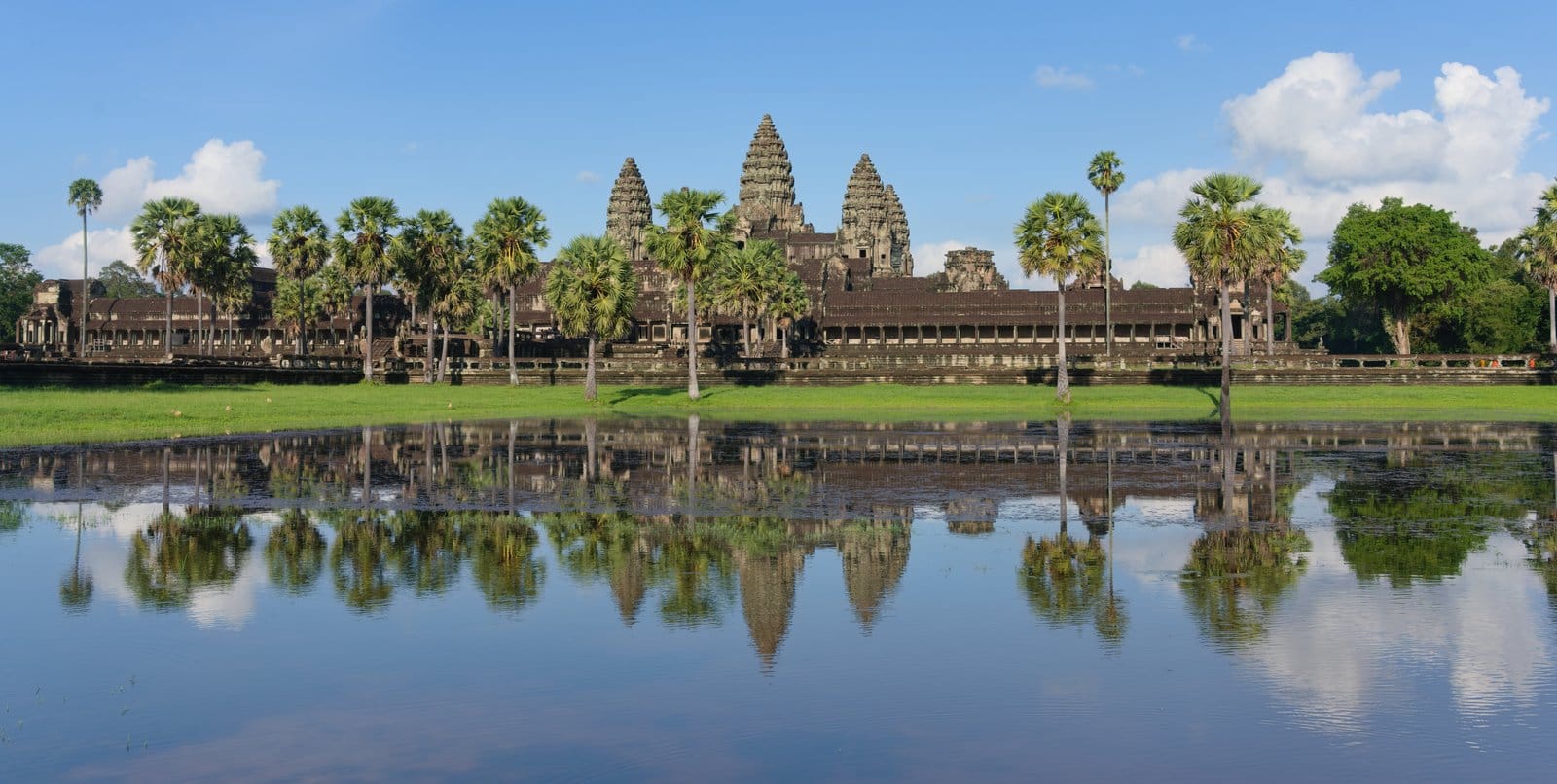
Hindu temple architecture outside India developed across distinct historical phases rather than a single migration. Between the 1st and 14th centuries CE, maritime trade routes linked Indian ports with Southeast Asian realms including Funan, Champa, Srivijaya, the Khmer Empire, and Majapahit. Regional rulers adopted Indian religious concepts, commissioning stone complexes dedicated to Shiva, Vishnu, and the Trimurti, notably Angkor Wat in Cambodia and Prambanan in Central Java.
A subsequent phase began in the 19th and early 20th centuries through indentured labor migrations across British, French, and Dutch colonial territories. Communities in Mauritius, South Africa, Fiji, Guyana, Trinidad, and Malaysia established local shrines that evolved into regional pilgrimage centers, including Grand Bassin in Mauritius and Sri Siva Subramaniya in Fiji.
From the late 20th century onwards, voluntary diaspora migrations led to purpose-built stone mandirs across North America, the United Kingdom, Europe, Australia, and the Middle East. Sacred Places India catalogues 49 verified temples across 14 countries, providing architectural details, historical timelines, visiting guidelines, and primary source citations.
Country Directories
Browse Temples by Country

🇳🇵 Nepal
5 temples · South Asia
Nepal is home to some of the most sacred Hindu temples outside India, with Pashupatinath being one of the holiest Shiva temples in the world.
Featured: Pashupatinath Temple
Explore Nepal

🇦🇪 UAE
4 temples · Middle East
The UAE is home to three actively functioning permanent consecrated Hindu temple complexes: the landmark 2024 BAPS Hindu Mandir in Abu Dhabi, the 2022 Hindu Temple Dubai in Jebel Ali…
Featured: BAPS Hindu Mandir Abu Dhabi
Explore UAE

🇰🇭 Cambodia
5 temples · Southeast Asia
Cambodia preserves the monumental stone temple-mountains of the Khmer Empire, including Angkor Wat, Preah Vihear, and Banteay Srei.
Featured: Angkor Wat
Explore Cambodia

🇮🇩 Indonesia
4 temples · Southeast Asia
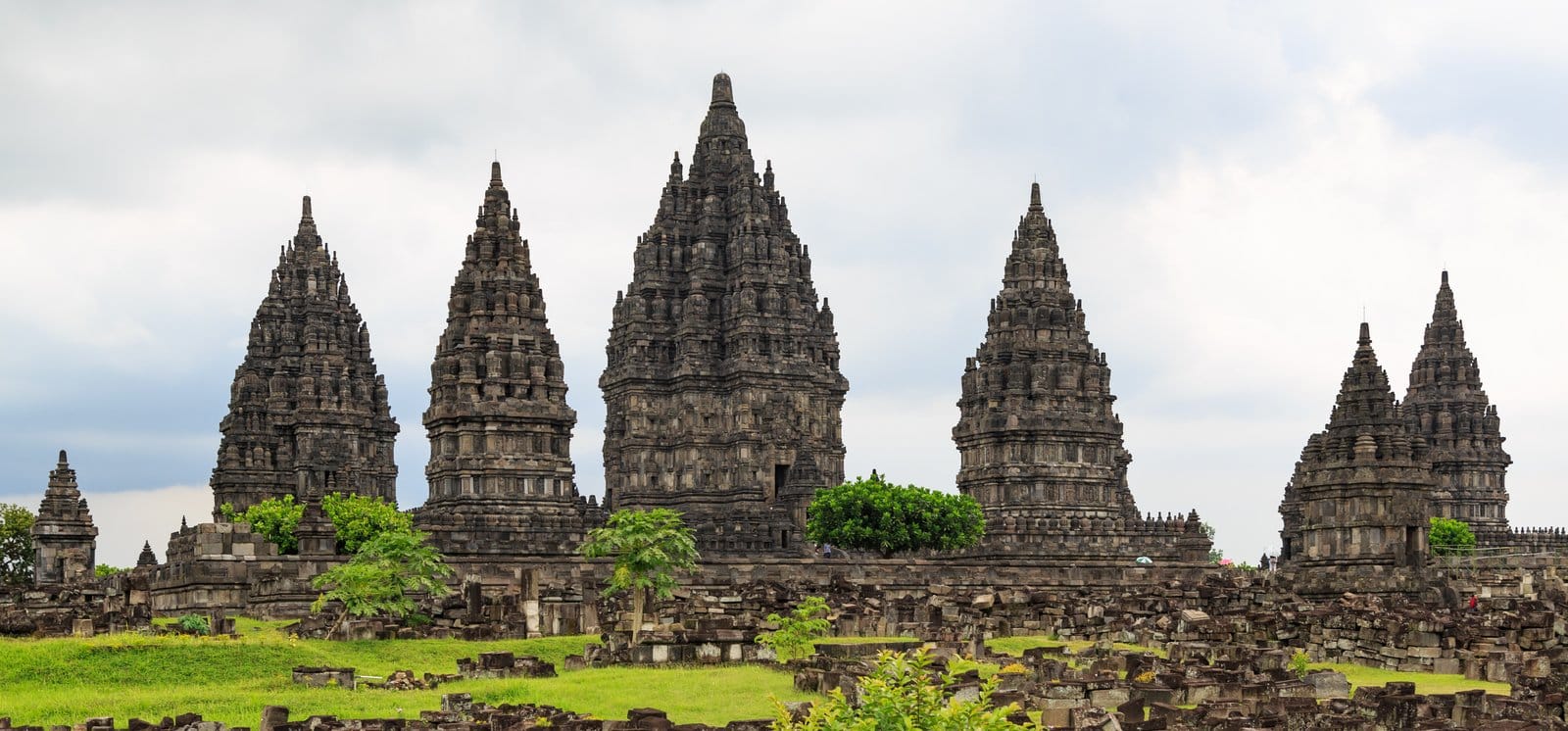
Indonesia features the 9th-century Prambanan complex in Central Java and living Balinese Hindu temple architecture across Bali.
Featured: Prambanan Temple
Explore Indonesia

🇲🇾 Malaysia
4 temples · Southeast Asia
Malaysia hosts prominent Hindu institutions, from the limestone cave complex of Batu Caves to Dravidian urban mandirs in Penang and Kuala Lumpur.
Featured: Batu Caves
Explore Malaysia

🇱🇰 Sri Lanka
5 temples · South Asia
Sri Lanka preserves ancient Saiva pilgrimage shrines, including the coastal Pancha Ishwarams and historic temples of the Jaffna Peninsula.
Featured: Koneswaram Temple
Explore Sri Lanka
🇺🇸 USA
5 temples · North America
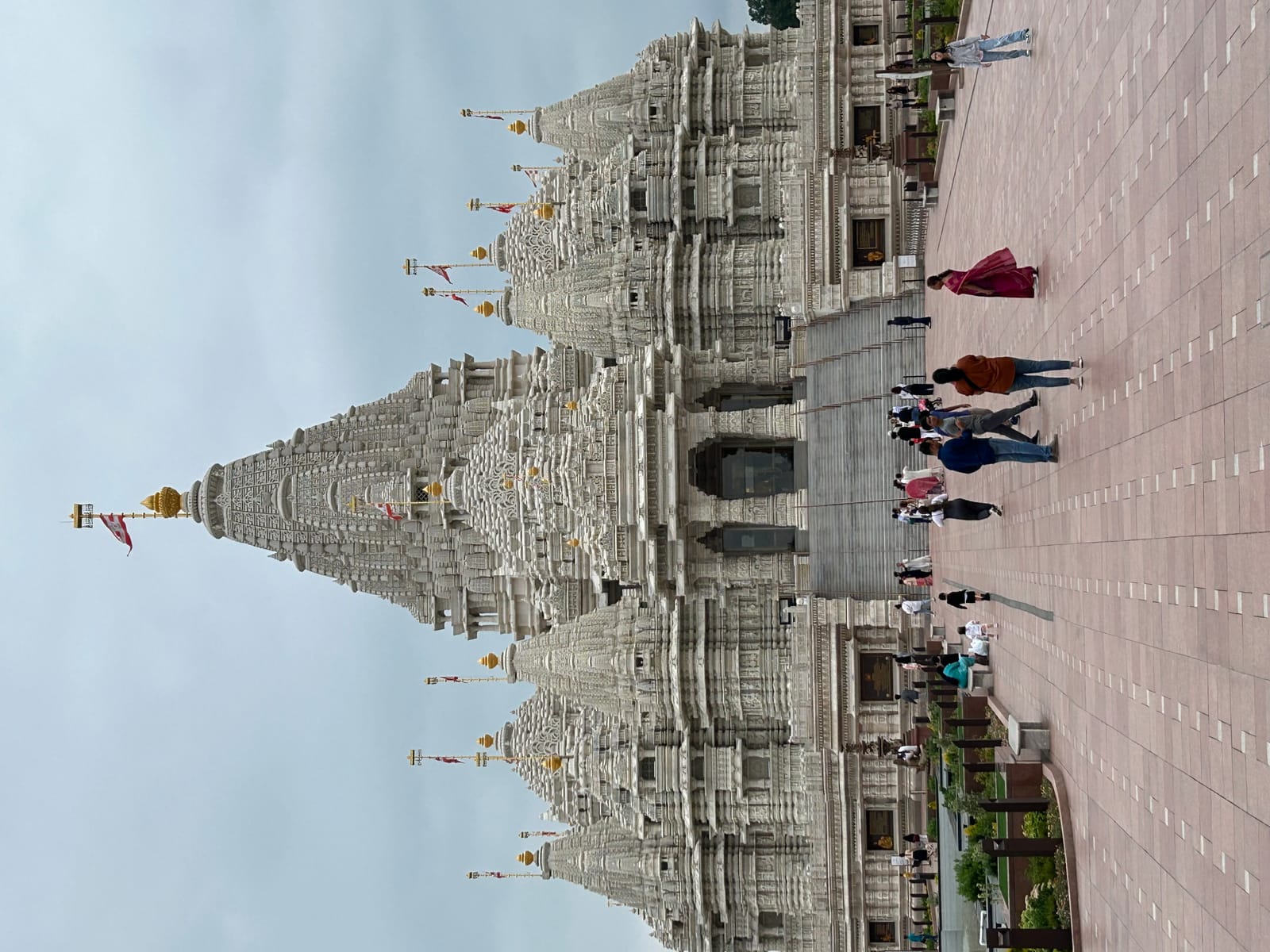
The United States is home to major traditional mandirs, including BAPS Swaminarayan Akshardham in Robbinsville, NJ, and pioneering institutions like the Sri Venkateswara Temple in Pittsburgh.
Featured: BAPS Swaminarayan Akshardham
Explore USA
🇬🇧 UK
3 temples · Europe
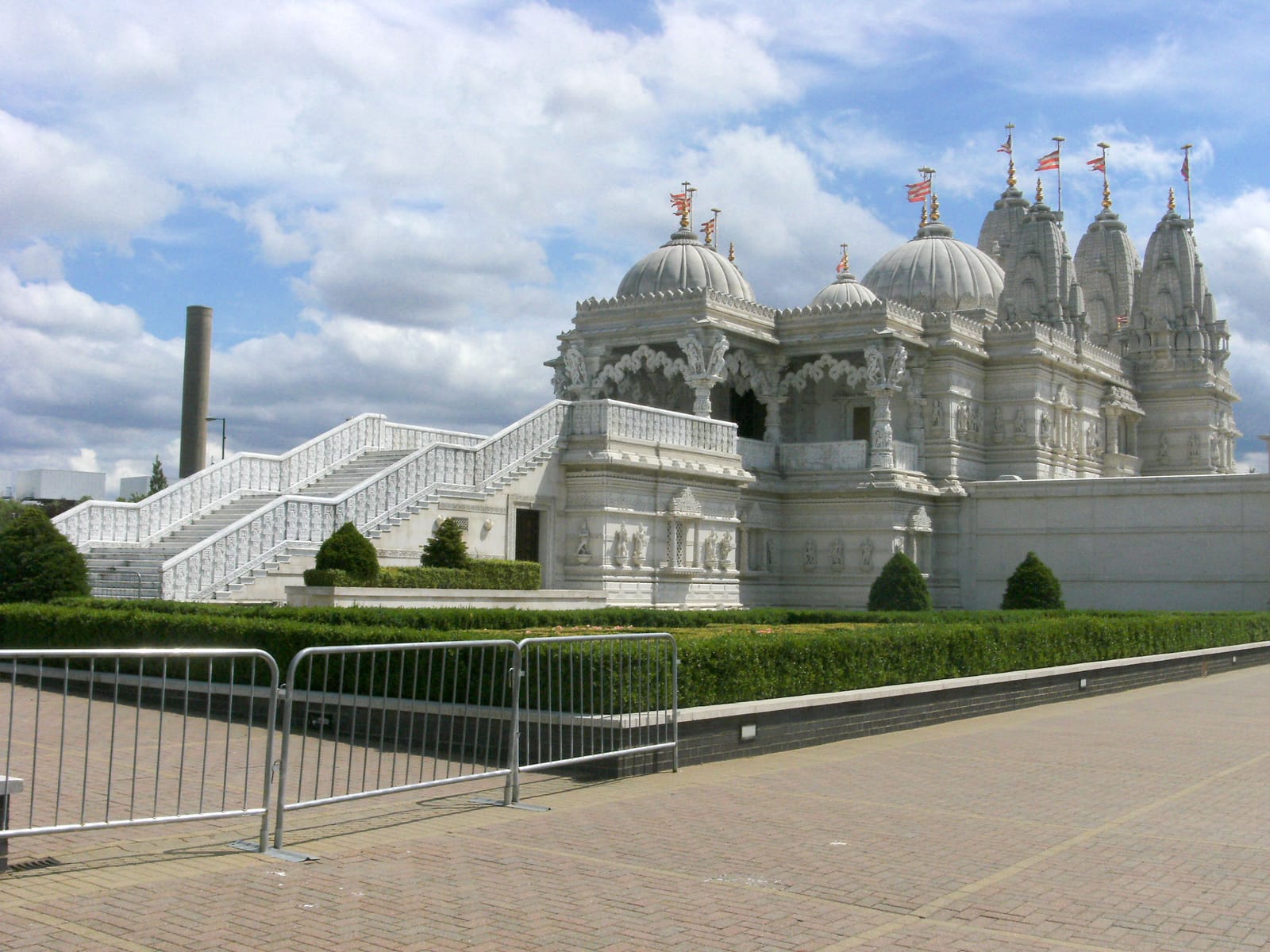
The United Kingdom is home to over 180 registered Hindu temples and mandirs, from the monumental stone BAPS Shri Swaminarayan Mandir in Neasden, London, to major community shrines in Leicester…
Featured: BAPS Shri Swaminarayan Mandir
Explore UK

🇦🇺 Australia
3 temples · Oceania
Australia's Hindu temples serve a growing diaspora, featuring traditional Dravidian-style stone mandirs in New South Wales and Victoria.
Featured: Sri Venkateswara Temple
Explore Australia

🇸🇬 Singapore
3 temples · Southeast Asia
Singapore is home to over 30 historic and contemporary Hindu temples, including gazetted National Monuments like Sri Mariamman Temple and the world-famous Thaipusam pilgrimage route.
Featured: Sri Mariamman Temple
Explore Singapore

🇲🇺 Mauritius
2 temples · East Africa
Mauritius is the only African nation where Hinduism is the largest religion (48.5%), famous for the sacred crater lake Ganga Talao, colossal Shiva statues, and historic 19th-century shivalas.
Featured: Ganga Talao (Grand Bassin)
Explore Mauritius

🇿🇦 South Africa
2 temples · Southern Africa
South Africa hosts the largest Indian diaspora in Africa (~1.5 million), featuring the Southern Hemisphere's largest Hare Krishna temple and 19th-century National Heritage monuments.
Featured: Sri Sri Radha Radhanath Temple (Temple of Understanding)
Explore South Africa

🇫🇯 Fiji
2 temples · Oceania
Fiji is home to the largest Hindu temple complex in the Pacific and Southern Hemisphere, renowned for hand-carved Dravidian towers, growing cobra rocks, and coastal island mandirs.
Featured: Sri Siva Subramaniya Swami Temple
Explore Fiji
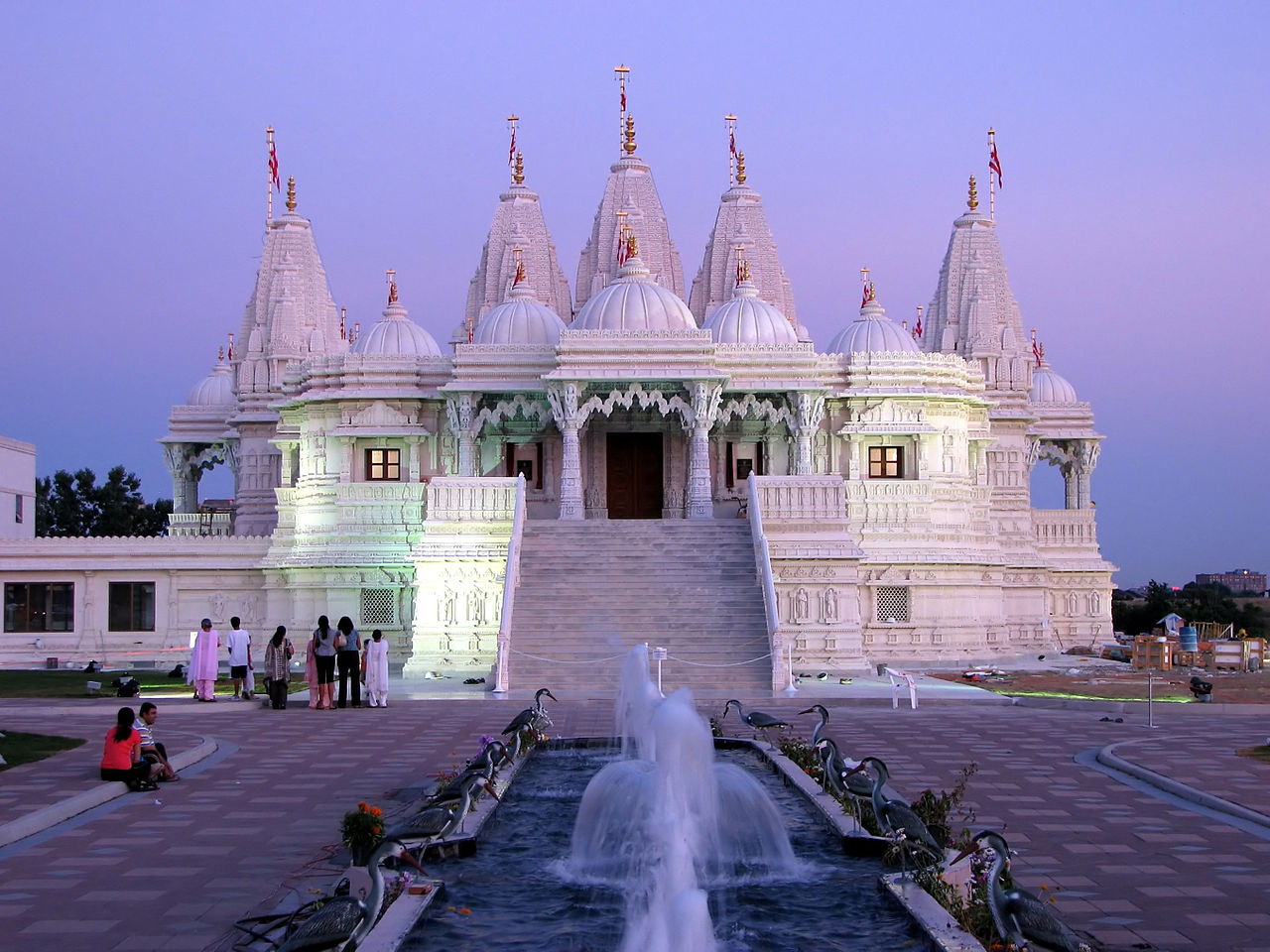
🇨🇦 Canada
2 temples · North America
Canada is home to over 820,000 Hindus (2.3% of the population), featuring Canada's largest hand-carved stone temple in Toronto and vibrant community centres across Ontario and British Columbia.
Featured: BAPS Shri Swaminarayan Mandir Toronto
Explore Canada
City Guides
Popular Temple Cities
Hindu temples cluster around diaspora hubs, ancient capitals, and pilgrimage towns. Jump straight to the temples of a specific city.
Temple Collections
All World Temples
Browse verified Hindu temples across 14 countries. Filter by country, city, sacred tradition, or search by temple, city, and deity.
Country:
City:
Showing 49 of 49 temples
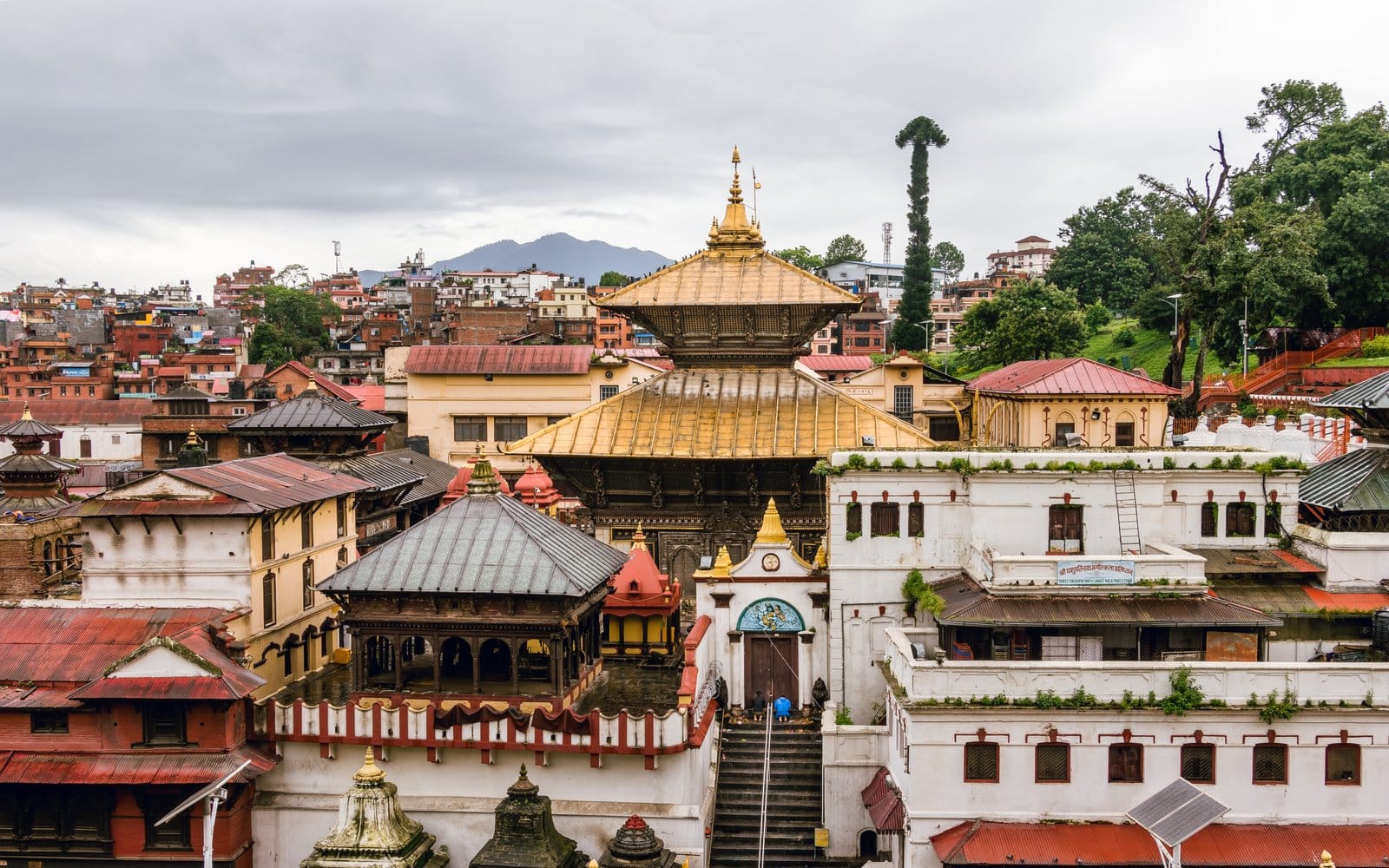
UNESCO 1979
Nepal
Pashupatinath Temple
Explore Pashupatinath Temple in Kathmandu, Nepal. Complete guide to the UNESCO World Heritage Shiva shrine, four-faced linga, Bagmati ghats, and timings.
Explore Temple
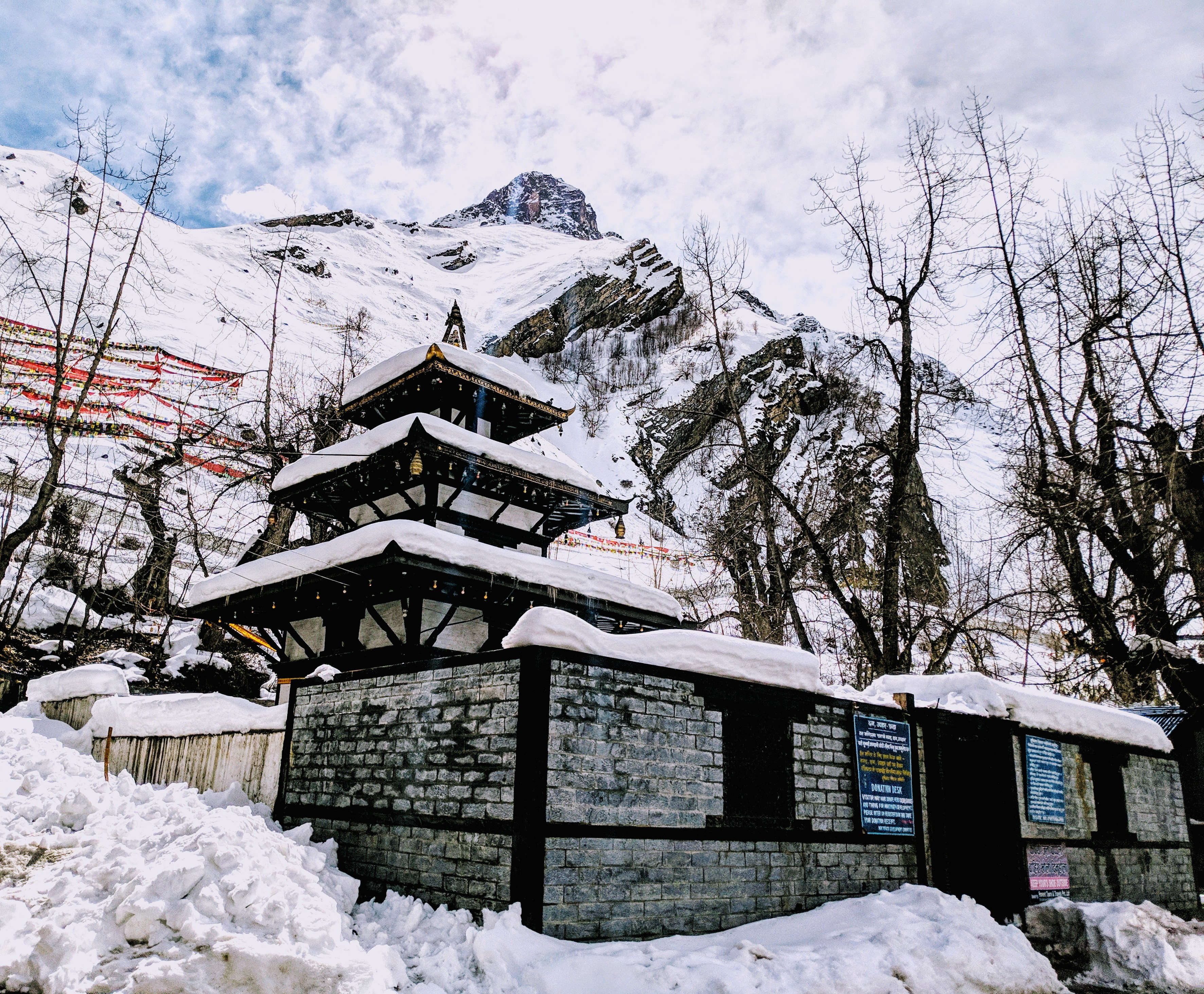
Nepal
Muktinath Temple
Situated at 3,710 meters in the Mustang district, Muktinath Temple is sacred to both Hindus and Buddhists, known for its 108 water spouts and eternal flame.
Explore Temple

Nepal
Manakamana Temple
Perched at 1,300 meters in the Gorkha district, Manakamana Temple is dedicated to the goddess Bhagwati and is renowned as a wish-fulfilling shrine accessible by cable car.
Explore Temple

Nepal
Guhyeshwari Temple
Located near Pashupatinath in Kathmandu, Guhyeshwari Temple is one of the 51 Shakti Peethas, representing the most secret and powerful manifestation of the goddess.
Explore Temple

Nepal
Doleshwar Mahadev Temple
A modern temple complex in Bhaktapur featuring Nepal's tallest Shiva statue at 143 feet, drawing devotees with its impressive scale and serene atmosphere.
Explore Temple
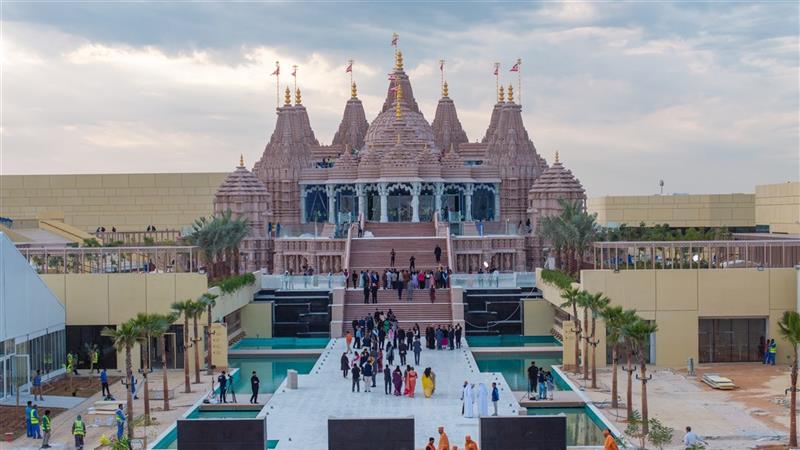
UAE
BAPS Hindu Mandir Abu Dhabi
The first traditional hand-carved Hindu stone temple in the Middle East, inaugurated in 2024 on 13.5 acres in Abu Dhabi, symbolizing interfaith harmony.
Explore Temple
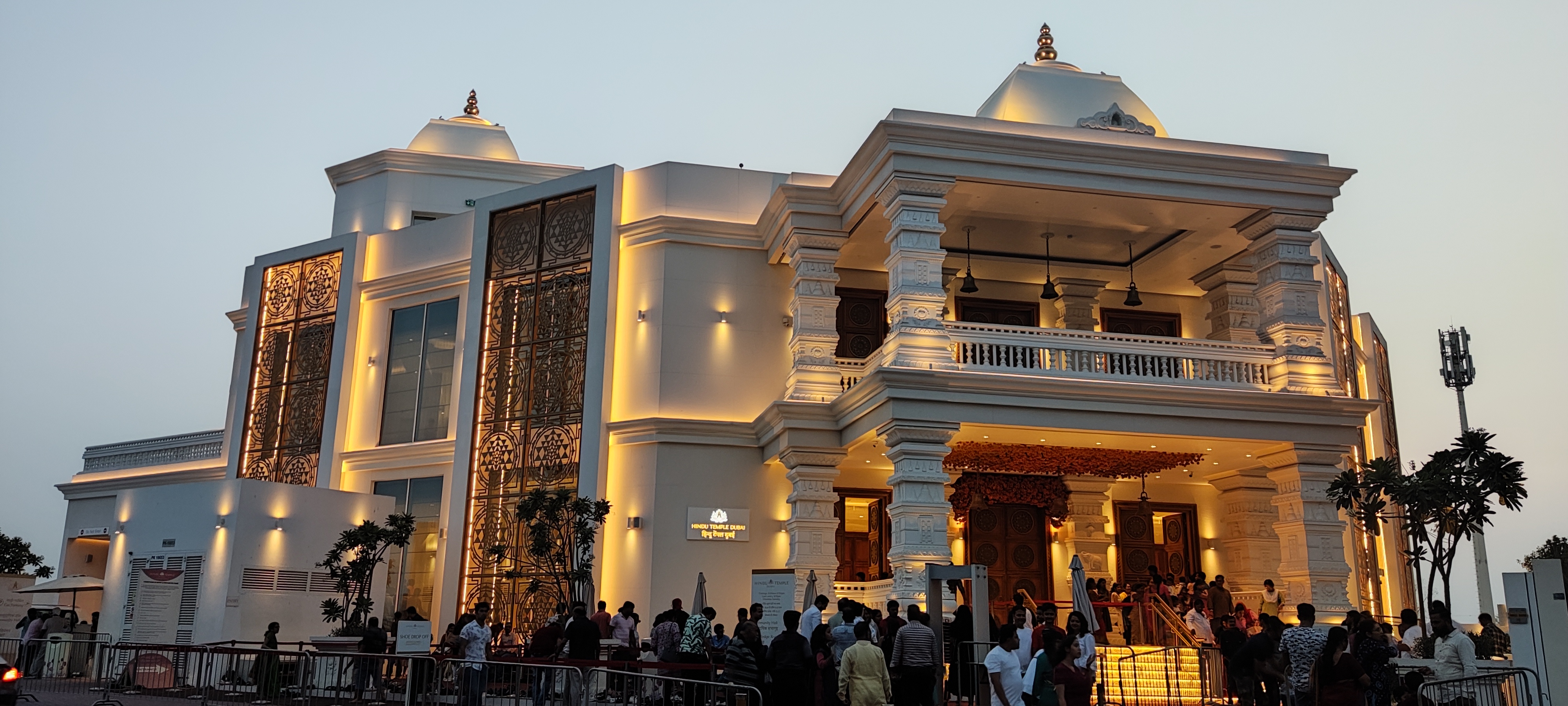
UAE
Shiva and Krishna Temple
The oldest Hindu temple in Dubai, established in 1958 in the historic Al Fahidi neighborhood, serving the South Indian expatriate community with dual shrines to Shiva and Krishna.
Explore Temple

UAE
Shree Krishna Haveli
A historic Krishna temple established in 1972 in Bur Dubai, serving the Sindhi and North Indian Hindu communities with vibrant festivals and devotional services.
Explore Temple

UAE
Sindhi Guru Darbar Temple
A vibrant temple serving Dubai's Sindhi Hindu community with inclusive worship, regular satsangs, and one of the largest community kitchens in the UAE.
Explore Temple
UNESCO 1992
Cambodia
Angkor Wat
The largest religious monument in the world, Angkor Wat is a 12th-century Khmer temple complex in Cambodia originally dedicated to Vishnu and now a UNESCO World Heritage Site.
Explore Temple

Cambodia
Banteay Srei
A 10th-century Khmer temple renowned for its exquisite pink sandstone carvings, considered the finest and most refined of all Angkorian art.
Explore Temple

UNESCO 2008
Cambodia
Preah Vihear Temple
A spectacular Khmer temple perched on a 525-meter cliff in the Dangrek Mountains, a UNESCO World Heritage Site with a dramatic history and panoramic views.
Explore Temple
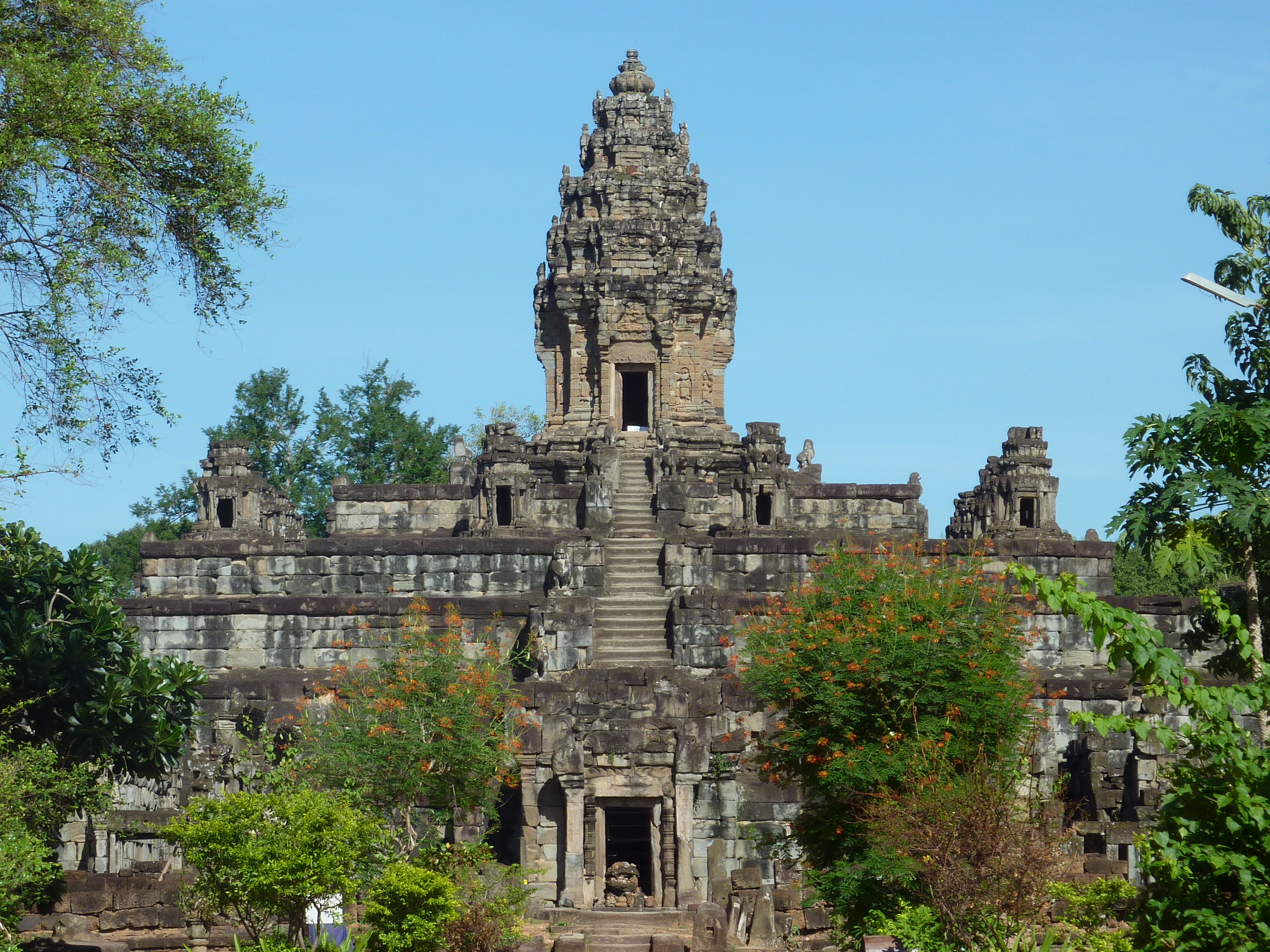
Cambodia
Bakong
The first temple-mountain of the Khmer Empire, built in 881 CE by King Indravarman I, representing the prototype for all later Khmer pyramid temples including Angkor Wat.
Explore Temple

Cambodia
Phnom Bakheng
The first temple-mountain built in the Angkor region (889-910 CE), serving as the state temple of the original Khmer capital at Yasodharapura and the most famous sunset viewpoint.
Explore Temple
UNESCO 1991
Indonesia
Prambanan Temple
Prambanan is the largest Hindu temple complex in Indonesia, a 9th-century UNESCO World Heritage Site dedicated to the Trimurti and located near Yogyakarta.
Explore Temple

Indonesia
Pura Besakih
Pura Besakih is the Mother Temple of Bali, a sprawling complex of 23 temples on the slopes of Mount Agung and the holiest site in Balinese Hinduism.
Explore Temple
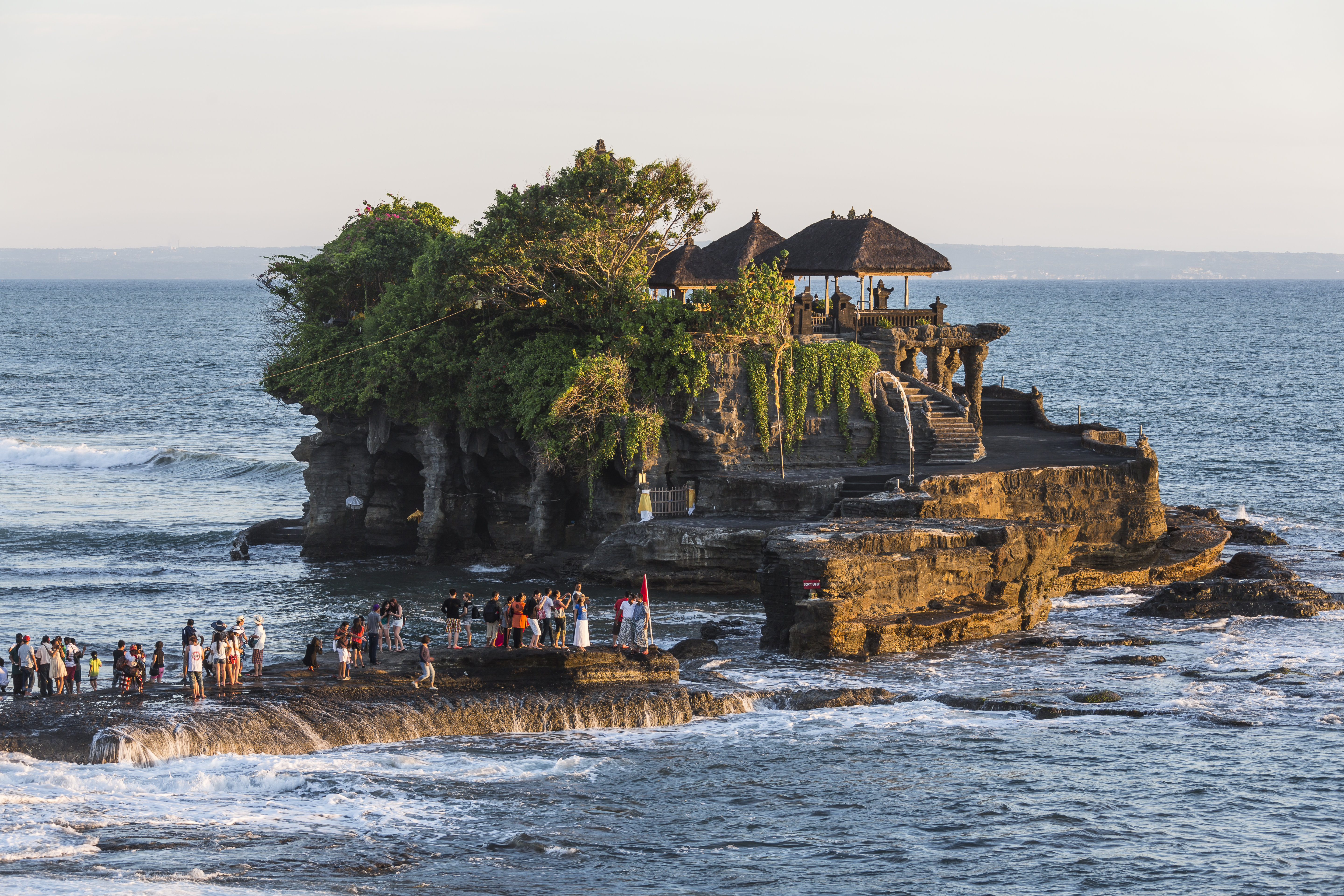
Indonesia
Tanah Lot
Tanah Lot is a spectacular Balinese sea temple perched on a rocky offshore outcrop, famous for its sunset views and sacred sea snakes.
Explore Temple

Indonesia
Uluwatu Temple
Uluwatu Temple is a spectacular Balinese sea temple perched on a 70-meter cliff edge at the southwestern tip of Bali, known for its Kecak fire dance performances and sunset views.
Explore Temple

Malaysia
Batu Caves
Batu Caves is a iconic Hindu temple complex set within limestone caves north of Kuala Lumpur, featuring a massive gold-painted Murugan statue and 272 colorful steps.
Explore Temple

Malaysia
Sri Mahamariamman Temple
Sri Mahamariamman Temple is Kuala Lumpur's oldest Hindu temple, founded in 1873 and renowned for its elaborate gopuram covered in hand-carved deities.
Explore Temple

Malaysia
Sri Subramaniar Temple
Sri Subramaniar Temple is a historic Tamil Hindu temple at the foot of Batu Caves hill, serving as the gateway shrine before the main Thaipusam pilgrimage ascent.
Explore Temple

Malaysia
Balathandayuthapani Temple
Balathandayuthapani Temple, also known as Waterfall Hill Temple, is Penang's most important Hindu temple, featuring a massive golden Murugan statue and spectacular grounds.
Explore Temple
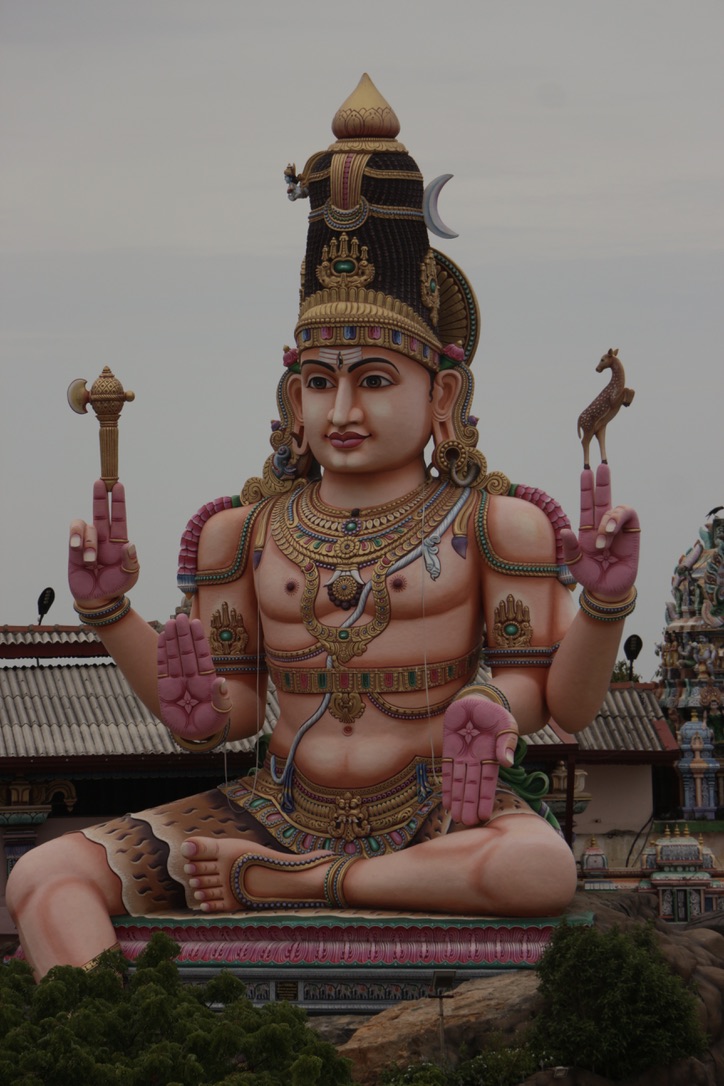
Sri Lanka
Koneswaram Temple
Koneswaram Temple is a classical-medieval Hindu temple dedicated to Shiva on Swami Rock in Trincomalee, one of the Pancha Ishwarams of Sri Lanka.
Explore Temple

Sri Lanka
Munneswaram Temple
Munneswaram Temple is one of the Pancha Ishwarams of Sri Lanka, a historic five-temple complex dedicated to Shiva near Chilaw, renowned for its multi-religious significance.
Explore Temple

Sri Lanka
Nallur Kandaswamy Temple
Complete guide to Nallur Kovil (Nallur Kandaswamy Temple) in Jaffna, Sri Lanka. Explore Murugan shrine history, 25-day Ther festival, timings, and architecture.
Explore Temple

Sri Lanka
Naguleswaram Temple
Naguleswaram Temple is an ancient Pancha Ishwaram temple dedicated to Shiva at Keerimalai near Jaffna, famous for its setting on a cliff overlooking the ocean and adjacent natural hot springs.
Explore Temple

Sri Lanka
Ketheeswaram Temple
Ketheeswaram Temple is an ancient Pancha Ishwaram temple dedicated to Shiva in Mannar, dating back over 2,000 years, with a dramatic coastal location on Mannar Island.
Explore Temple
USA
BAPS Swaminarayan Akshardham
The largest Hindu temple in North America and the second-largest in the world, hand-carved from Italian marble and Indian pink sandstone on a 183-acre campus in central New Jersey.
Explore Temple
USA
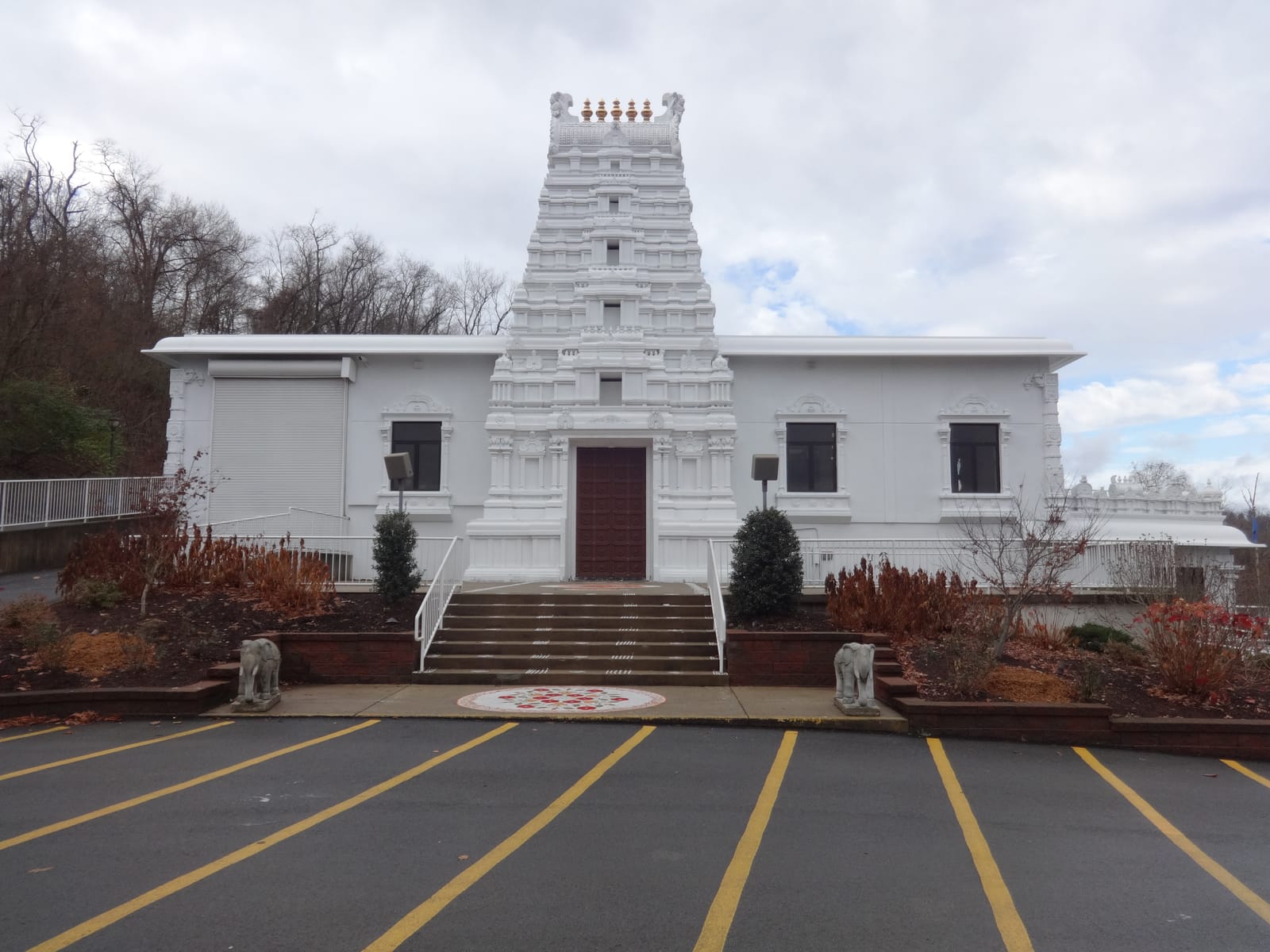
Sri Venkateswara Temple
A stunning replica of the Tirumala Venkateswara Temple in Tirupati, built on 10 acres in Penn Hills, Pittsburgh, and serving as among the most authentic South Indian temples in North…
Explore Temple

USA
Malibu Hindu Temple
A serene Hindu temple complex in the Santa Monica Mountains overlooking the Pacific Ocean, serving the Southern California Hindu community since 1981 with shrines dedicated to Shiva and Vishnu.
Explore Temple

USA
Shri Swaminarayan Mandir
A magnificent hand-carved stone and marble mandir in the Chicago suburbs, built by BAPS and serving as a spiritual and cultural hub for the Midwest's Hindu community.
Explore Temple
USA
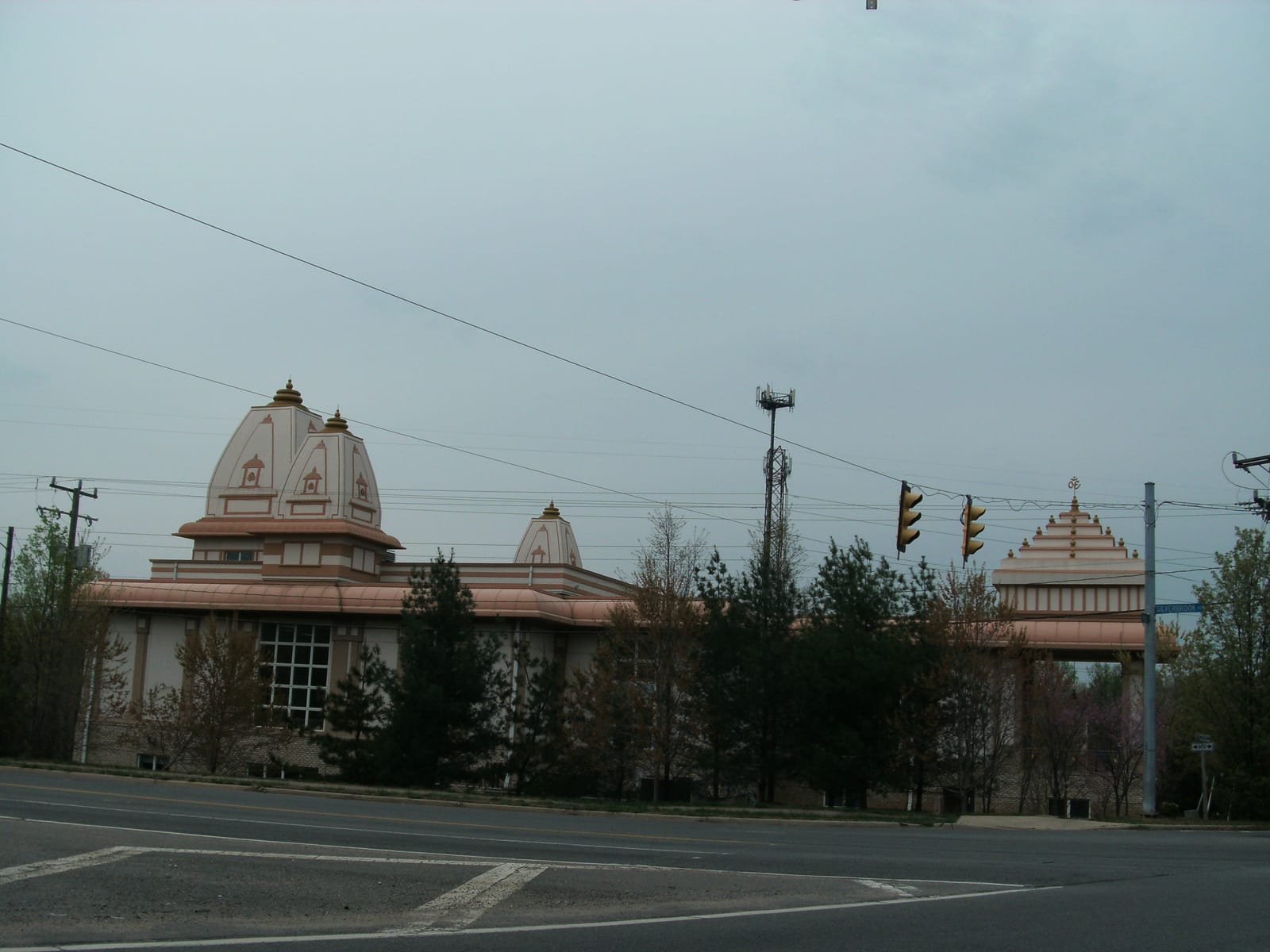
Vishnu Devi Mandir
A mandir in Sterling, Virginia serving the Washington D.C. metro area with authentic North Indian-style worship and a distinctive white shikhara.
Explore Temple
UK
BAPS Shri Swaminarayan Mandir
Europe's first traditional Hindu stone temple, hand-carved from 5,000 tonnes of Indian marble and Bulgarian limestone, standing in the London suburb of Neasden since 1995.
Explore Temple

UK
Shree Sanatan Hindu Mandir
The largest Hindu temple in Leicester, serving the city's vibrant Hindu community with a multi-deity shrine, daily worship, and a full calendar of festivals.
Explore Temple
UK
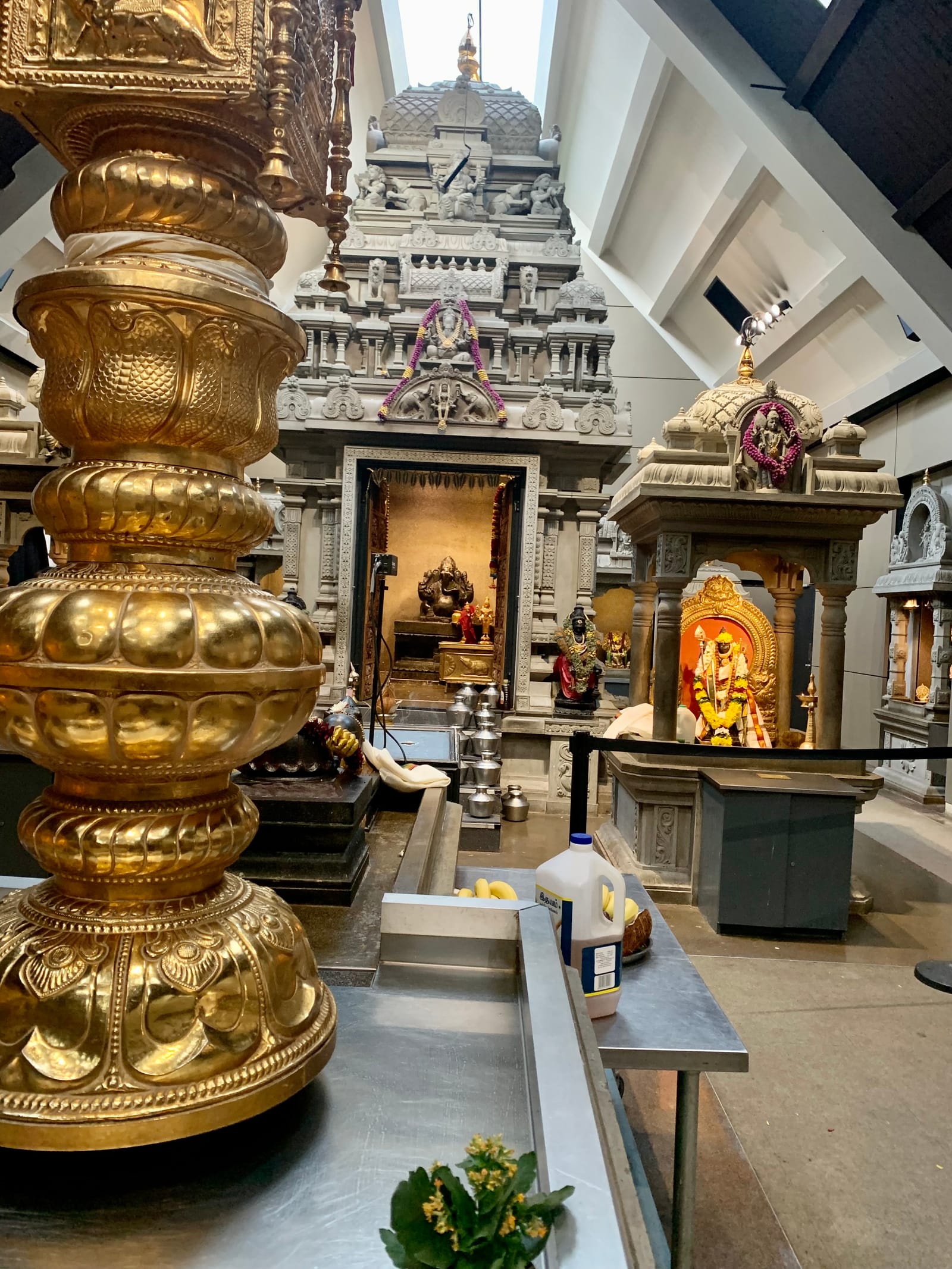
Shree Ghanapathy Temple
London's oldest functioning South Indian-style temple, dedicated to Ganesha and serving the Tamil Hindu community from its Wimbledon location since 1981.
Explore Temple
Australia
Sri Venkateswara Temple
The largest Hindu temple in Australia, dedicated to Venkateswara, set on 35 acres of bushland in Helensburgh, south of Sydney, and built in the traditional South Indian Dravidian style.
Explore Temple

Australia
Shiva Vishnu Temple
Melbourne's premier Hindu temple dedicated to both Shiva and Vishnu, serving the Indian-Australian community from its Carrum Downs campus since 2006.
Explore Temple

Australia
Sri Murugan Temple
Sydney's most prominent Tamil Hindu temple dedicated to Lord Murugan, serving the city's Sri Lankan and Indian Tamil community from its Minto location.
Explore Temple
Singapore
Sri Mariamman Temple
Explore Sri Mariamman Temple in Singapore's Chinatown: founded in 1827, gazetted National Monument, iconic 6-tiered gopuram, and host of the annual Thimithi firewalking festival.
Explore Temple

Singapore
Sri Srinivasa Perumal Temple
Complete guide to Sri Srinivasa Perumal Temple on Serangoon Road in Singapore: gazetted National Monument, 20m high Vishnu avatar gopuram, and the starting point of the annual Thaipusam procession.
Explore Temple

Singapore
Sri Thendayuthapani Temple
Guide to Sri Thendayuthapani Temple (Chettiars' Temple) in Singapore: founded in 1859, gazetted National Monument, 75ft stained glass dome, and final destination of Thaipusam.
Explore Temple
Mauritius
Ganga Talao (Grand Bassin)
Explore Ganga Talao (Grand Bassin) in Mauritius: the sacred volcanic crater lake, 33-meter Mangal Mahadev statue, and destination of the largest Maha Shivaratri pilgrimage outside India.
Explore Temple

Mauritius
Maheswarnath Mandir (Triolet Shivala)
Guide to Maheswarnath Mandir (Triolet Shivala): founded in 1891 by Pandit Sanjibonlall, the oldest and largest historic Hindu temple complex in Mauritius.
Explore Temple
South Africa
Sri Sri Radha Radhanath Temple (Temple of Understanding)
Explore the Temple of Understanding in Chatsworth, Durban: the largest Hare Krishna temple in the Southern Hemisphere, famous for its lotus architecture and Govinda's restaurant.
Explore Temple
South Africa
Sri Siva Soobramoniar & Mariamman Temples
Discover Sri Siva Soobramoniar & Mariamman Temples in Pietermaritzburg: founded in 1898 on the Msunduzi River, designated National Heritage Site and oldest Hindu temple in South Africa.
Explore Temple
Fiji
Sri Siva Subramaniya Swami Temple
Explore Sri Siva Subramaniya Temple in Nadi, Fiji: the largest Hindu temple in the Pacific, famous for authentic Dravidian carvings, vibrant frescoes, and Thaipusam festival.
Explore Temple
Fiji
Naag Mandir (Snake Temple)
Discover the famous Naag Mandir (Snake Temple) in Labasa, Vanua Levu, Fiji: home to the sacred Swayambhu growing cobra rock that has required raising the roof four times.
Explore Temple
Canada
BAPS Shri Swaminarayan Mandir Toronto
Explore BAPS Shri Swaminarayan Mandir in Toronto, Canada: hand-carved from 24,000+ pieces of Italian marble and Turkish limestone, featuring a Burmese teakwood Haveli and heritage museum.
Explore Temple

Canada
Hindu Heritage Centre (Mississauga)
Complete guide to Hindu Heritage Centre in Mississauga, Ontario: a premier 25,000 sq ft spiritual complex offering authentic Sanatan Dharma worship, Sanskrit learning, and cultural arts.
Explore Temple
Architectural Forms
Temple Architecture Across Continents
Hindu sacred structures outside the subcontinent incorporate diverse building methods adapted to regional climates and materials. In Southeast Asia, classical Khmer and Javanese sanctuaries translated the concept of Mount Meru—the cosmic axis in Hindu cosmology—into towering stone pyramids and tiered prangs. At Angkor Wat in Cambodia and Prambanan in Indonesia, sandstone and volcanic andesite were carved with narrative bas-reliefs illustrating the Ramayana and Mahabharata.
In South and Southeast Asian diaspora settlements, the South Indian Dravidian architectural tradition became predominant. Characterized by pyramidal entrance towers (rajagopurams) adorned with painted stucco figures, enclosed prakaram corridors, and pillared mandapas, this style defines landmarks like Sri Mariamman Temple in Singapore, Batu Caves in Malaysia, and Sri Siva Subramaniya in Fiji.
Modern diaspora projects have spearheaded a resurgence of hand-carved stone architecture conforming strictly to ancient Silpa Shastra texts. Sites such as BAPS Swaminarayan Akshardham in Robbinsville, New Jersey, BAPS Mandir Toronto, and BAPS Hindu Mandir Abu Dhabi were built using pink Rajasthani sandstone and Italian Carrara marble. Carved by thousands of traditional artisans in India, the stone pieces were shipped overseas and assembled via interlocking dry joints without structural steel.
Frequently Asked Questions
How many Hindu temples are there outside India?
Globally, tens of thousands of Hindu places of worship exist outside India. Major concentrations include Nepal, Indonesia (with over 20,000 recorded pura shrines on Bali), Sri Lanka, and Bangladesh, alongside growing diaspora communities in the United States (1,000+), United Kingdom (180+), Malaysia (150+), Mauritius (100+), and Australia (50+). Sacred Places India currently documents 49 verified mandirs across 14 countries.
Which is the largest Hindu temple outside India?
Angkor Wat in Siem Reap, Cambodia is the largest religious structure in the world, covering 162.6 hectares (402 acres). Built in the early 12th century by Khmer King Suryavarman II as a Hindu temple dedicated to Vishnu, it later transitioned into a Buddhist sanctuary. Among modern functioning Hindu complexes, BAPS Swaminarayan Akshardham in Robbinsville, New Jersey spans 185 acres and is the largest traditional stone Hindu mandir outside India.
Which country outside India has the most Hindu temples?
Nepal has the highest concentration of Hindu temples relative to its land area and population, with over 80% of citizens practicing Hinduism. Indonesia has the largest Hindu population outside South Asia, with tens of thousands of family, village, and regional pura temples across Bali.
Are non-Hindus allowed to visit Hindu temples abroad?
Yes. The vast majority of Hindu temples around the world welcome visitors of all faiths and backgrounds. Visitors must observe respectful conduct, remove shoes before entering the sanctum, and dress modestly with shoulders and knees covered. At specific ancient sanctuaries such as Pashupatinath in Kathmandu, access to the inner sanctum is restricted to practicing Hindus, while outer courtyards remain accessible.
What is the oldest surviving Hindu temple outside India?
Pashupatinath Temple in Kathmandu, Nepal dates in historical inscriptions to at least the 5th century CE. In Southeast Asia, early pre-Angkorian brick and sandstone shrines in Cambodia date from the 6th and 7th centuries CE, while Prambanan in Central Java was consecrated in 856 CE.
Which UNESCO World Heritage Hindu temples exist outside India?
Major UNESCO World Heritage Sites preserving monumental Hindu architecture include the Angkor archaeological park (Cambodia), Prambanan Temple Compounds (Indonesia), the Kathmandu Valley (Nepal, including Pashupatinath and Changu Narayan), and Preah Vihear Temple (Cambodia).
Sacred India
Explore India's Heritage
India is home to thousands of temples spanning every major tradition, dynasty, and architectural style. Discover the collections that define India's sacred geography.
01Temples by State
Explore temples across all 30 Indian states and union territories.
0212 Jyotirlingas
Shiva's twelve self-manifested lingams — the most important Shaivite pilgrimage circuit across eight states.
0351 Shakti Peethas
Sacred sites where the body parts of Goddess Sati fell, spanning India, Nepal, Bangladesh, and Pakistan.
04Char Dham
The four sacred abodes at the cardinal points of India — Badrinath, Dwarka, Puri, and Rameswaram.
05UNESCO Temples
India's UNESCO World Heritage temple properties, from Mahabalipuram to the Hoysala sacred ensembles.
06Temple Architecture
Nagara, Dravidian, Vesara, and Bhumija — the four major styles of Indian temple architecture explained.
07Ancient Temples
The oldest surviving temples in India, from the Gupta period to the early medieval era.
08Famous Temples
The most celebrated and visually stunning temples across India.
09Pilgrimage Routes
Major Hindu pilgrimage destinations outside the Indian subcontinent.
Sources & References
These are the published records this page draws on. Each entry names the body that issued it and the specific claims on this page that it backs, so you can check them yourself rather than taking our word for it.
UNESCO World Heritage Centre
UNESCO World Heritage List — India
World Heritage inscription criteria, Outstanding Universal Value statements and the year of listing for the sites named on this page.
World Heritage documentation
Open source (opens in a new tab)INTACH
Indian National Trust for Art and Cultural Heritage
Documentation of Indian architectural heritage and conservation practice behind the style descriptions on this page.
Reference source
Open source (opens in a new tab)Encyclopædia Britannica
Encyclopædia Britannica — reference entries on Indian art, religion and history
Reference background on the historical figures, dynasties and religious traditions named on this page.
Reference source
Open source (opens in a new tab)
— every record linked above was re-requested for this release, so the link still resolves and the publisher still serves the document. It is a link check, not a re-verification of every sentence on this page.
Missing something, or found an error? Send us a correction with the record that supports it, or read how we choose sources.